 800-811-7514
How Dry Winter Air Affects Your Sleep (and What to Do About It)


Winter comes with cozy blankets, warm drinks, and earlier nights…
but it also brings something your sleep definitely notices: dry air.
If you’ve been waking up with a dry throat, tight chest, itchy skin, or feeling strangely restless despite going to bed on time, the winter air in your bedroom might be the reason.

Dry air doesn’t just irritate your nose and skin—
it can disrupt your breathing, your comfort, and your entire sleep cycle.
Why Winter Air Is So Dry
Cold air naturally holds less moisture.
When you heat that air indoors, it becomes even drier—almost like a sponge pulling moisture from everything around it, including you.
This dryness changes how you breathe, how your skin feels, and even how deeply you sleep.
Signs Your Bedroom Air Is Too Dry
-
Waking up with a dry throat
-
Stuffy nose or nasal irritation
-
Cracked lips or itchy skin
-
Light snoring that wasn’t there before
-
Waking repeatedly without knowing why
-
Feeling thirsty in the middle of the night
-
Static electricity everywhere

Your body works harder to stay comfortable, and that effort interrupts your rest.
How Dry Air Disrupts Sleep
1. Nasal Passages Dry Out
When your nose dries, it becomes harder to breathe through it.
Your body switches to mouth-breathing, which leads to snoring, fragmented sleep, and a dry mouth by morning.
2. More Irritation and Micro-Awakenings
Dry air irritates your airways, making your chest feel “tight.”
These tiny irritations cause small awakenings throughout the night—even if you don’t remember them.
3. Your Skin Loses Moisture While You Sleep
Dryness increases overnight itchiness and discomfort, making it harder to stay in deep sleep stages.
4. Your Body Overheats More Easily
Paradoxically, dry air makes your body hold onto heat, so you may sweat more under blankets.
Temperature swings = broken sleep cycles.

How to Fix Dry Winter Air (Simple & Effective Tips)
1. Use a humidifier at night.
Keep your room around 40–50% humidity for optimal comfort and breathing.
2. Stay hydrated during the day.
You don’t need to chug water before bed, but staying hydrated helps your airways stay moist at night.

3. Don’t overheat your bedroom.
Aim for 65°F (18°C).
A warm room can make dryness feel even worse.
4. Moisturize your nose before bed.
A simple saline spray can prevent irritation and nighttime snoring.
5. Use breathable bedding.
Dry air + heavy bedding can make your body swing between too cold and too warm all night long.
This is where the materials touching your skin truly matter.

Your Sleep Setup Matters Even More in Winter
Winter is when airflow and breathability make the biggest difference.

Winter is when airflow and breathability make the biggest difference.
🌿 Honey Hybrid Organic Mattress
Latex + cotton allow natural airflow, preventing the “dry heat trap” feeling that makes winter nights stuffy.
You stay comfortably warm, without overheating.
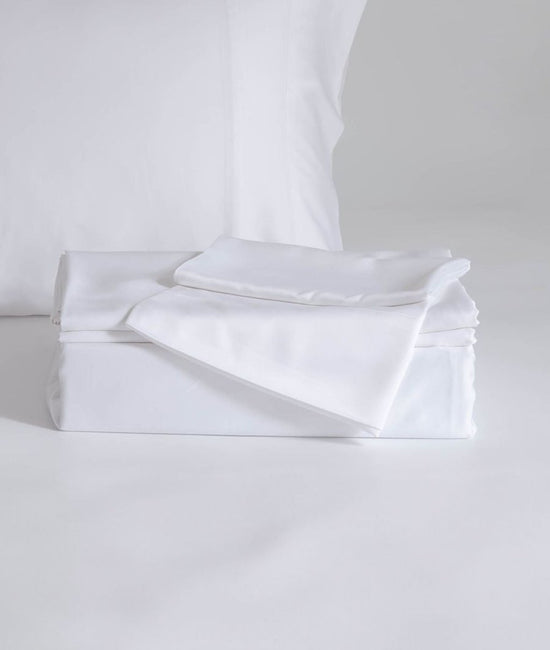
🌿 Bamboo Sheets
They’re naturally moisture-balancing, helping your skin stay comfortable in dry air.
Ideal if you wake up sweaty and dry at the same time.
🌿 Adjustable Base
Slightly elevating your head can ease nasal dryness and reduce snoring caused by winter air.
A simple angle change = easier breathing = deeper sleep.
Together, these create a winter sleep environment that supports your comfort instead of working against it.
Final Thoughts
Dry winter air is subtle, but it affects almost everything about your sleep—your breathing, your comfort, your temperature, and even your mood in the morning.
With a few small adjustments and a bedroom setup built for proper airflow, you can sleep deeply all winter long…
even when the air outside feels like a desert.