

 800-811-7514
What Happens to Your Sleep When You’re Woken Up at Night?
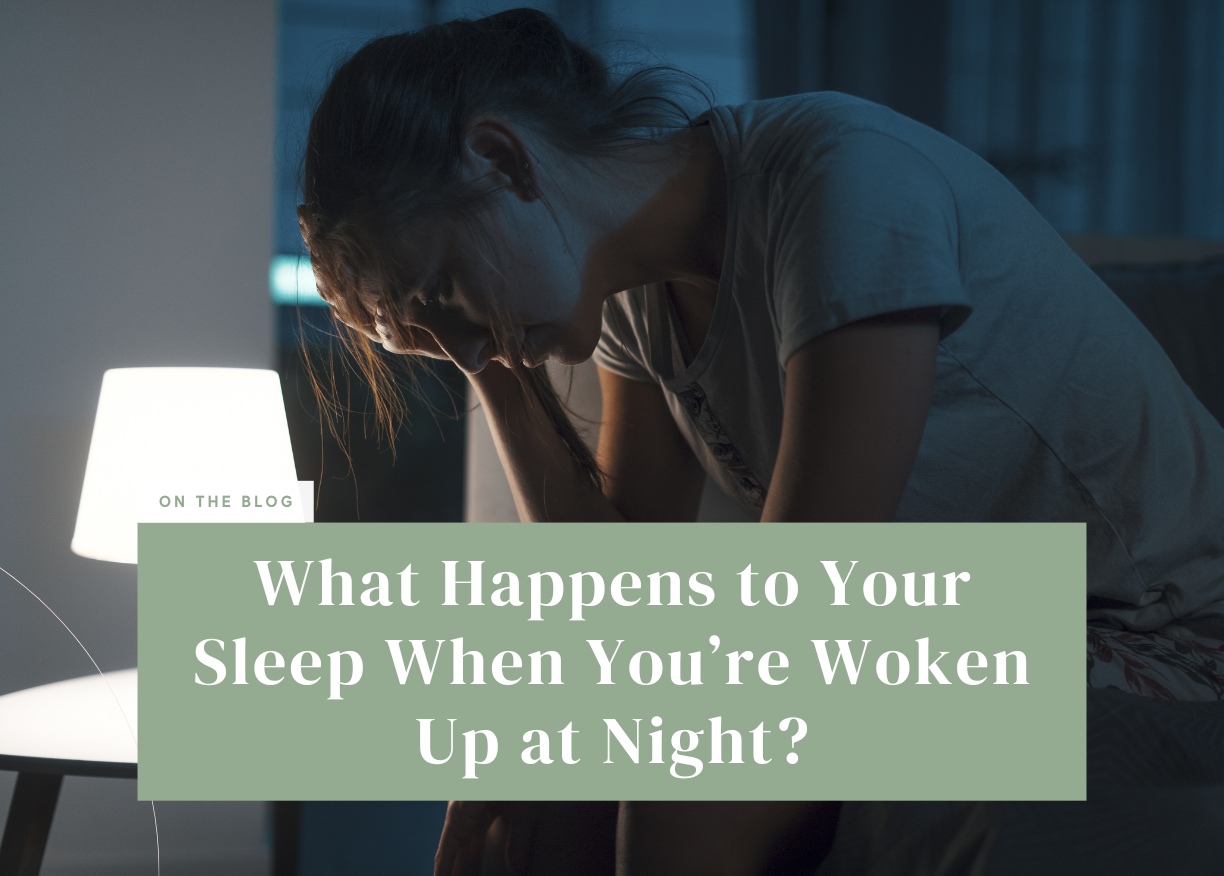
You finally drift off…
and then something pulls you out of sleep—a noise, a movement, a thought, a notification, a partner shifting in bed.
You may fall back asleep quickly.
Or you may lie there wondering if that interruption actually mattered.

The truth is: being woken up affects your sleep more than most people realize—even if you don’t fully wake or remember it.
Why Sleep Continuity Matters More Than Total Hours
Sleep isn’t just about how long you’re asleep.
It’s about how continuous that sleep is.
Your body cycles through sleep stages—light sleep, deep sleep, and REM—in a very specific order.
When you’re woken up, that cycle gets interrupted, and your brain often has to start over.
Multiple interruptions can quietly rob you of the most restorative parts of sleep.

What Happens in Your Brain When You’re Woken Up
1. Deep Sleep Gets Cut Short
Deep sleep is where physical repair happens—muscle recovery, immune support, tissue healing.
When you’re woken during this stage, your body loses valuable restoration time.
2. REM Sleep Becomes Fragmented
REM sleep supports memory, learning, and emotional processing.
Interruptions reduce REM duration, which can lead to:
-
Brain fog
-
Mood changes
-
Reduced focus
-
Emotional sensitivity

Even if total sleep time looks “normal,” quality suffers.
3. Stress Hormones Spike Briefly
Each awakening triggers a small release of cortisol and adrenaline.
Over time, repeated awakenings train your nervous system to stay more alert at night—making future sleep lighter and more fragile.
4. Your Brain Learns to “Listen”
Once sleep is disrupted regularly, the brain becomes hyper-aware of sounds, movement, and light.
This is why people who are frequently woken up often describe themselves as “light sleepers,” even if they weren’t before.

Common Causes of Nighttime Awakenings
-
Noise (traffic, household sounds, pets)
-
Light exposure
-
Temperature swings
-
Snoring (yours or a partner’s)
-
Reflux or digestion
-
Pain or pressure points
-
Stress-related thought activation
Most awakenings are preventable with the right setup.

Why You May Not Notice the Damage Right Away
Sleep fragmentation is sneaky.
You might:
-
Fall back asleep quickly
-
Forget the awakening
-
Feel “okay” the next day
But over time, fragmented sleep shows up as:
-
Chronic fatigue
-
Irritability
-
Poor concentration
-
Lower stress tolerance
-
Morning stiffness
Your body feels the loss—even if your memory doesn’t.

How to Protect Your Sleep From Interruptions
1. Reduce Sensory Triggers
Darken your room, manage noise, and stabilize temperature.
2. Support Your Body Physically
Discomfort is one of the most common reasons the brain wakes up.
3. Improve Breathing and Position
Breathing disruptions—even mild ones—can trigger awakenings without full consciousness.
4. Create Predictability
A consistent bedtime routine lowers nighttime alertness and helps the brain stay asleep longer.

Why Your Sleep Setup Makes a Big Difference
When sleep becomes lighter or fragmented, comfort and positioning matter more.

🌿 Honey Hybrid Organic Mattress
Reduces pressure points and movement-related awakenings, helping your body stay asleep through full cycles.
🌿 Bamboo Sheets
Regulate temperature and moisture, preventing overheating or chills that trigger wake-ups.
🌿 Adjustable Base
Helps minimize nighttime disruptions by improving breathing, easing back pressure, and allowing small position changes without fully waking your body.
For many people, reducing awakenings starts with improving physical comfort—not forcing sleep.
Final Thoughts
Being woken up at night doesn’t just “steal minutes”—it disrupts the architecture of your sleep.
Protecting your sleep from interruptions protects:
-
Your energy
-
Your mood
-
Your health
-
Your ability to recover
Better sleep isn’t just longer—it’s quieter, deeper, and more continuous.

