 800-811-7514
Does Lavender Really Help You Sleep? Or Is It Just a Myth?
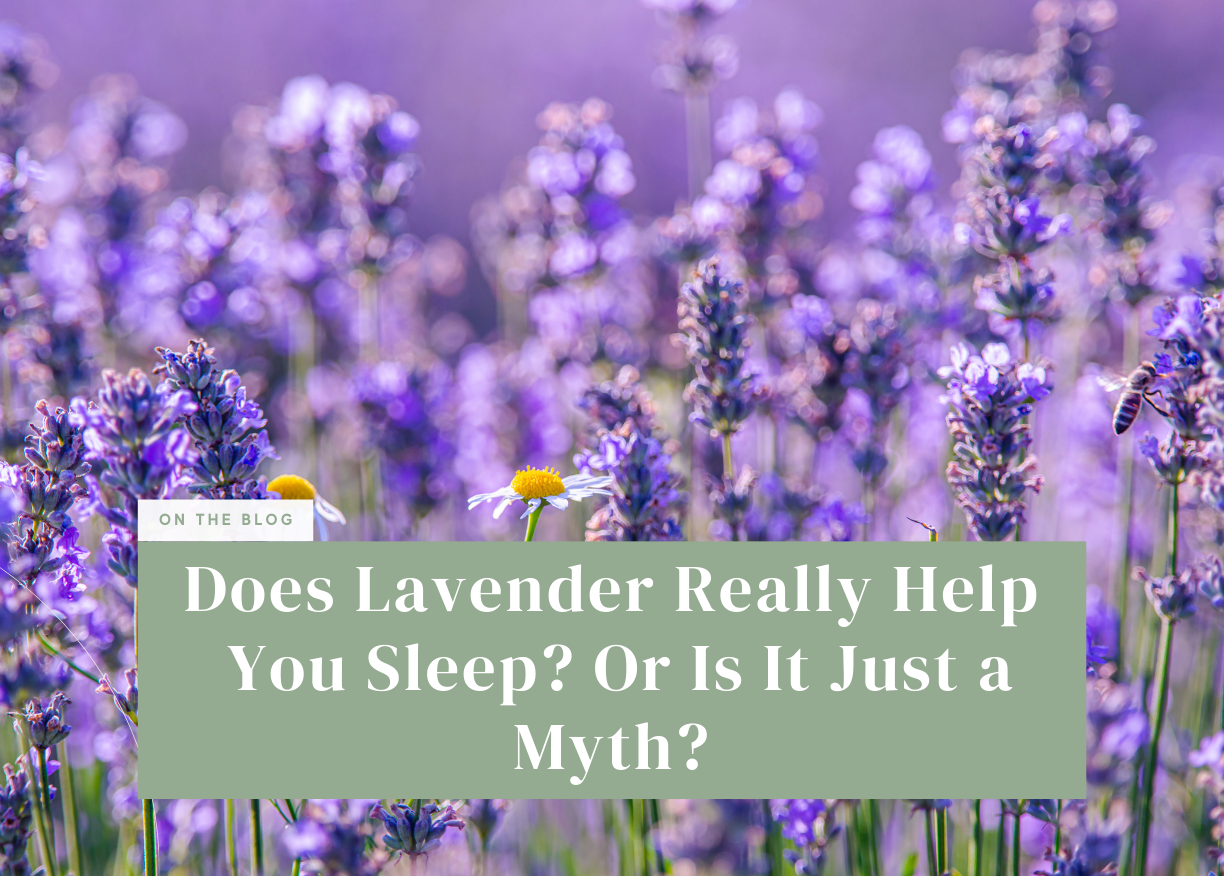
Lavender shows up everywhere in the sleep world—sprays, candles, oils, sachets, lotions.
It’s marketed as calming, soothing, almost magical.
But does lavender actually help you sleep…
or does it just smell like it should?
The answer sits somewhere between science and sensation—and understanding that difference matters.

Why Lavender Is Associated With Sleep
Lavender has been used for centuries as a calming herb, long before modern sleep science existed.
Its reputation didn’t come from trends—it came from observation.
Today, researchers have a better idea why lavender feels relaxing.
What Science Says About Lavender and Sleep
1. Lavender Can Calm the Nervous System
Lavender’s scent interacts with the limbic system, the part of the brain that regulates emotion, stress, and arousal.
Studies suggest lavender may:
-
Lower heart rate
-
Reduce mild anxiety
-
Promote parasympathetic (“rest and digest”) activity
This doesn’t knock you out—but it can help the body let go.

2. It May Improve Sleep Quality (Not Duration)
Lavender doesn’t usually make people sleep longer.
Instead, it may help sleep feel deeper and calmer, especially in people dealing with stress or restlessness.
That’s an important distinction.

3. Lavender Works Best for Light Sleepers
People who struggle with:
-
Difficulty falling asleep
-
Stress-related restlessness
-
Pre-bed anxiety
tend to notice lavender more than those whose sleep issues are physical or structural.

What Lavender Can’t Do
Lavender is helpful—but it’s not a cure.
It won’t:
-
Fix chronic insomnia
-
Replace good sleep habits
-
Correct poor sleep posture
-
Overcome an uncomfortable mattress
-
Solve breathing disruptions
If your body is uncomfortable or your sleep is fragmented, scent alone won’t override that.

Why Some People Swear by Lavender (and Others Feel Nothing)
Lavender works best as a signal, not a solution.
When your brain associates a scent with calm and sleep, that scent becomes a cue:
It’s time to slow down.
If your nervous system is receptive, lavender enhances relaxation.
If your body is stressed, overheated, or unsupported, the effect may be minimal.

How to Use Lavender Effectively for Sleep
1. Use It as Part of a Routine
Consistency matters more than intensity.
A light scent used nightly trains the brain to associate it with rest.
2. Keep It Subtle
Strong scents can become stimulating.
Lavender should be barely noticeable—not overwhelming.
3. Apply It Before Bed, Not In Bed
Use lavender during your wind-down routine—before your head hits the pillow.
4. Pair It With a Calm Environment
Lavender works best when the rest of your sleep setup supports relaxation.
Why Your Sleep Environment Still Comes First
Scent can calm the mind—but physical comfort keeps you asleep.
🌿 Honey Hybrid Mattress
Reduces pressure points and movement, allowing the body to relax fully—so calming cues like lavender actually work.
🌿 Bamboo Sheets
Temperature stability prevents overheating, which often cancels out relaxation efforts.
🌿 Adjustable Base
Gentle positioning supports breathing and reduces tension, helping your body respond better to calming signals.
When your body feels safe and supported, small tools like lavender become more effective.
Final Thoughts
Lavender isn’t a sleep solution—but it can be a sleep ally.
It helps quiet the nervous system, lower stress, and signal rest—especially when paired with good sleep habits and a comfortable environment.
Sleep isn’t about one trick.
It’s about layers of support working together.
Lavender can be one of those layers—
just not the foundation.