 800-811-7514
How Much Does a Good Pillow Really Matter for Your Sleep?
Most people obsess over mattresses.
They research firmness.
They compare materials.
They read reviews for weeks.
And then…
they keep using the same old pillow.
But here’s the truth:
Your pillow plays a bigger role in your sleep than most people realize.
In some cases, it matters just as much as your mattress.
Your Pillow Has One Critical Job

Your pillow’s job isn’t just comfort.
It’s alignment.
Specifically, it must keep your:
-
Head
-
Neck
-
Upper spine
in a neutral position throughout the night.
If that alignment is off—even slightly—your body compensates.
And that compensation shows up as:
-
Neck stiffness
-
Shoulder tension
-
Headaches
-
Upper back pain
-
Restless sleep
Why a Bad Pillow Disrupts Sleep (Even If You Don’t Notice)

Misalignment doesn’t always wake you up fully.
Instead, it causes:
-
Micro-adjustments
-
Muscle activation
-
Subtle tension
-
Shallow sleep
You may sleep through the night…
but your muscles never fully relax.
And sleep that isn’t relaxed isn’t restorative.
Signs Your Pillow Might Be the Problem
You may need a better pillow if:
-
You wake with neck or shoulder pain
-
You flip your pillow during the night
-
You fold or stack pillows
-
Your pillow feels flat or lumpy
-
You feel better sleeping elsewhere
Many people blame their mattress when the pillow is the real issue.
Different Sleep Positions = Different Pillow Needs

Side Sleepers
Need higher loft to fill the space between shoulder and neck.
Too low = neck bends downward.
Too high = neck tilts upward.

Back Sleepers
Need moderate support to keep the head neutral.
Too high pushes the head forward.
Too flat drops it backward.

Stomach Sleepers
Need very low loft—or ideally, a transition away from this position.
This position strains the neck most.
Why Pillow Quality Affects Sleep Depth
When your neck is supported properly:
-
Breathing improves
-
Jaw tension decreases
-
Snoring may reduce
-
Nervous system relaxes
Even small alignment improvements increase deep sleep time.
Why Pillows Wear Out Faster Than You Think
Pillows typically lose support faster than mattresses.
Over time, they:
-
Compress
-
Lose structure
-
Trap heat
-
Accumulate allergens
Even if they “look fine,” they may no longer support properly.
Why Temperature Matters in a Pillow

Your head releases significant body heat at night.
If your pillow traps heat:
-
You overheat
-
You toss and turn
-
REM sleep shortens
Breathable materials make a noticeable difference.
How a Pillow Works With Your Mattress
Your pillow and mattress function as a system.
If your mattress supports your spine but your pillow misaligns your neck, the system fails.
When both work together:
-
Muscles fully relax
-
Pressure points reduce
-
Sleep becomes quieter

What a Supportive Pillow Should Provide
-
Consistent loft
-
Responsive support
-
Breathability
-
Pressure relief
-
Alignment for your specific sleep position
Not too soft.
Not too firm.
Just balanced.
Supporting Better Alignment at Night
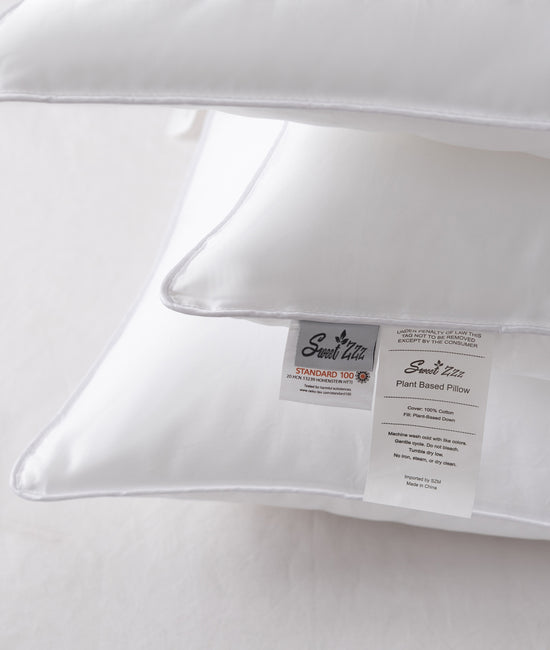
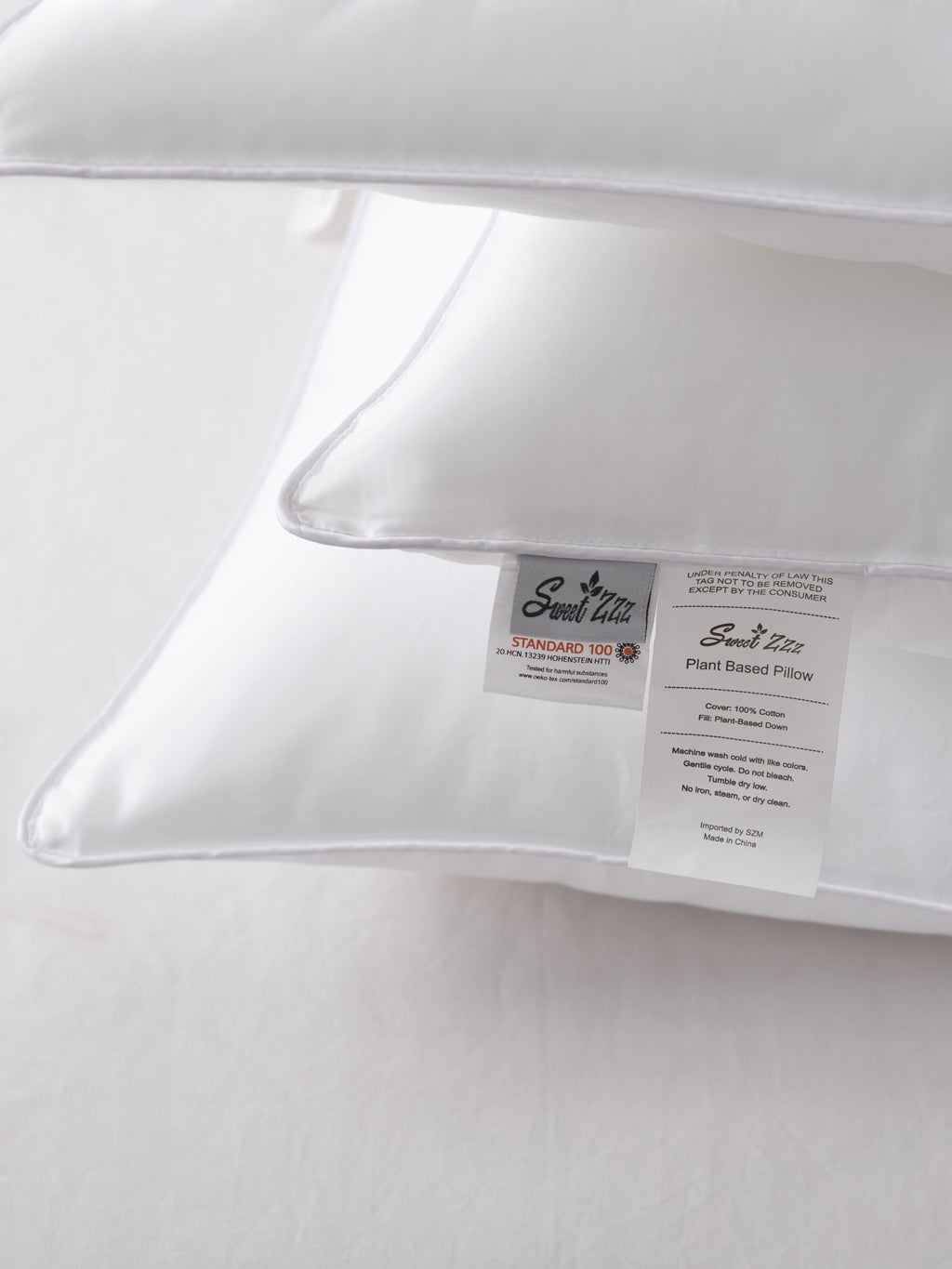
🌿 Plant-Based Pillow
Designed to maintain structure while staying breathable—supporting neck alignment without overheating.
🌿 Honey Mattress
Provides stable, even support so the pillow doesn’t have to overcompensate.
🌿 Adjustable Base
Allows subtle head elevation to improve breathing and reduce neck strain.
Together, they create a sleep system—not just individual pieces.
Final Thoughts
A good pillow isn’t a luxury.
It’s structural support for one of the most sensitive parts of your body.
If your sleep feels restless, stiff, or lighter than it should, your pillow may be the simplest place to start.
Sometimes the smallest change makes the biggest difference.