 800-811-7514
5 Bedtime Habits Elite Athletes Use to Recover Faster


When we watch elite athletes, we often focus on what they do during the day.
Their workouts.
Their training.
Their nutrition.
But ask almost any top athlete or coach, and they'll tell you something else is just as important:
Sleep.
Recovery doesn't happen during training.
It happens after.
While you sleep, your body repairs muscles, restores energy, strengthens memory, and prepares for the next day's performance.
The good news?
You don't have to be a professional athlete to benefit from the same habits.
Why Athletes Prioritize Sleep

Elite athletes understand that sleep affects:
-
Recovery
-
Strength
-
Reaction time
-
Focus
-
Decision-making
-
Injury risk
Many professional teams even monitor players' sleep because they know performance starts the night before.
1. They Go to Bed at Nearly the Same Time Every Night

Consistency is one of the biggest secrets.
Even during the season, many athletes try to keep regular sleep and wake times whenever possible.
Why?
A consistent schedule helps your body:
-
Fall asleep faster
-
Improve sleep quality
-
Wake up feeling more refreshed
Your body performs best when it knows what to expect.
2. They Create a Wind-Down Routine

Athletes don't go directly from competition mode to sleep mode.
Instead, they intentionally slow down.
This might include:
-
Reading
-
Gentle stretching
-
Light breathing exercises
-
Listening to calming music
These activities help signal to the brain that it's time to recover.
3. They Respect Recovery as Much as Training

One workout doesn't build fitness.
Recovery does.
That's why many athletes avoid:
-
Staying up unnecessarily late
-
Sacrificing sleep for entertainment
-
Treating sleep as optional
They understand that tomorrow's performance depends on tonight's recovery.
4. They Optimize Their Sleep Environment

Professional athletes often pay close attention to their bedrooms.
They aim for:
-
A cool room
-
Minimal light
-
Comfortable bedding
-
Limited distractions
The fewer interruptions they experience, the more restorative their sleep becomes.
5. They Listen to Their Bodies

Perhaps the most overlooked habit:
Athletes learn to recognize when their bodies need recovery.
They don't simply count hours.
They also pay attention to:
-
Energy levels
-
Muscle soreness
-
Mental sharpness
-
Overall recovery
Quality often matters more than simply spending more time in bed.
What We Can Learn From Elite Athletes

You don't need a personal trainer.
You don't need an Olympic schedule.
You simply need to make sleep a priority instead of an afterthought.
Even improving one bedtime habit can help you:
-
Wake up with more energy
-
Feel mentally sharper
-
Recover faster from daily stress
-
Improve your overall well-being
Recovery Starts With Your Sleep Environment
Even the best bedtime routine can only do so much if your sleep is constantly interrupted.
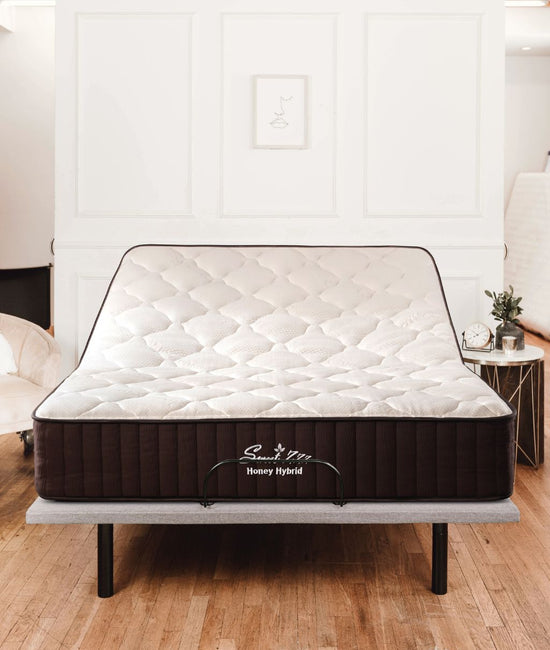
Provides balanced support and excellent pressure relief, helping your muscles fully relax so your body can recover throughout the night.
Naturally breathable and temperature-regulating, helping you stay cool and comfortable while you sleep.
Makes it easy to find your ideal position before bed—whether you're stretching, reading, or simply relaxing after a long day.
When your sleep environment supports recovery, your body can do what it's designed to do.
Final Thoughts
Elite athletes don't become their best simply by training harder.
They recover better.
And one of the most powerful recovery tools available to everyone is completely free:
Sleep.
You may never play in a World Cup or compete for a championship.
But if you treat your sleep with the same importance as elite athletes do, you'll likely notice the benefits—in your energy, your focus, your mood, and your health.
Because every great day...
starts with a great night's sleep.