
 800-811-7514
Can Too Much Sleep Actually Affect Your Brain?
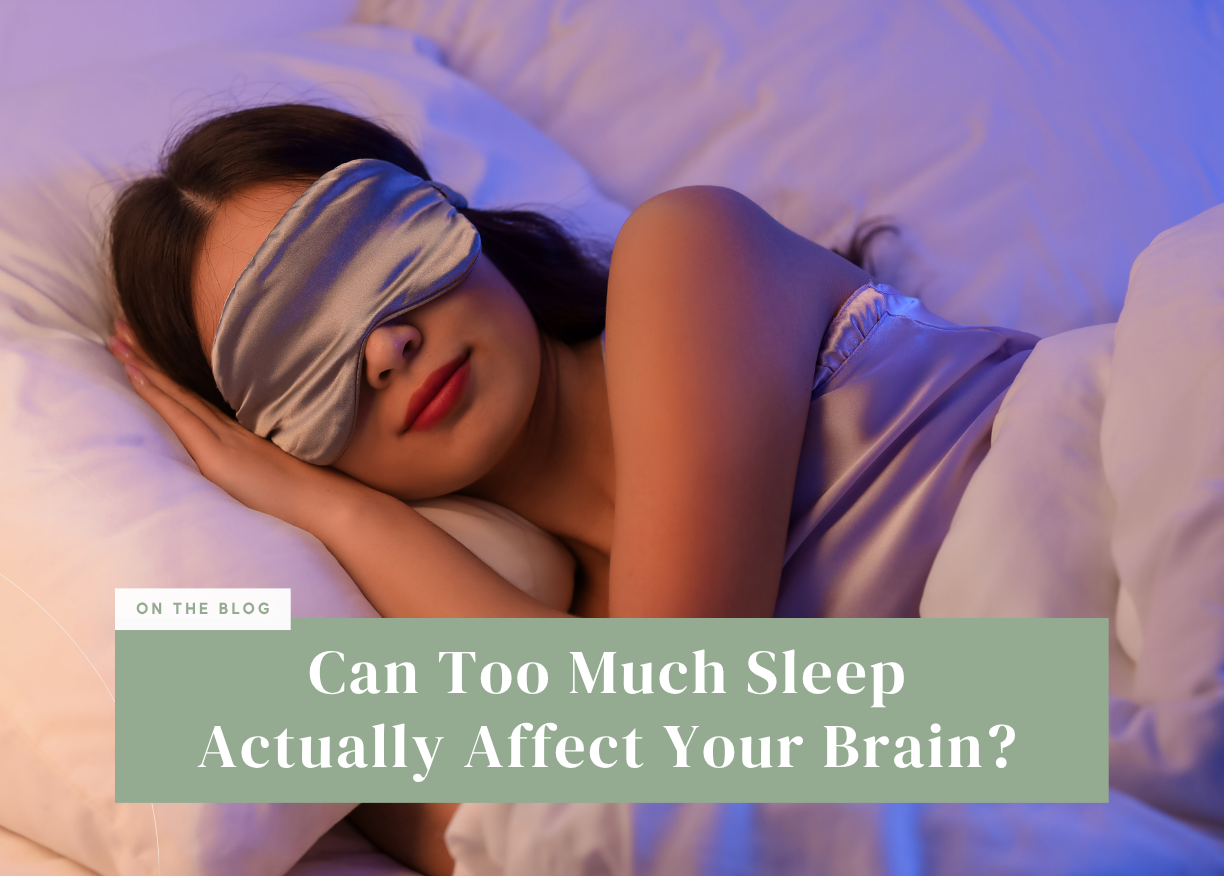

We always hear about not getting enough sleep.
But what about the opposite?
Sleeping longer…
staying in bed…
getting 9, 10, even 11 hours regularly.
It sounds harmless.
Even healthy.
But it raises an important question:
Can too much sleep actually affect your brain?
First: Sleep Is About Balance—Not Just More

Sleep is essential.
But more isn’t always better.
Your body works best within a range:
👉 7–9 hours for most adults
Going beyond that occasionally is fine.
But consistently sleeping much longer can signal something deeper.
What Happens in Your Brain During Sleep

Sleep is when your brain:
-
Clears waste
-
Processes information
-
Strengthens memory
-
Resets mental function
This happens in structured cycles.
Too little sleep interrupts it.
But too much sleep can disrupt the balance of those cycles.
1. You May Feel More Mentally Foggy

Sleeping longer doesn’t always mean sharper thinking.
In some cases, it leads to:
-
Brain fog
-
Slower thinking
-
Reduced alertness
This can happen when sleep becomes:
👉 Too long
👉 Too irregular
👉 Too fragmented
2. Your Sleep-Wake Rhythm Can Get Disrupted

Oversleeping can shift your internal clock.
This leads to:
-
Difficulty falling asleep at night
-
Inconsistent wake times
-
Feeling “off” during the day
Your brain prefers rhythm over excess.
3. It Can Affect Mood and Mental Clarity

Long, unrefreshing sleep is often linked with:
-
Low energy
-
Reduced motivation
-
Mood changes
This doesn’t mean sleep is the cause—but it can be part of the pattern.
4. It May Reflect Low-Quality Sleep

One of the biggest misconceptions:
👉 More sleep = better sleep
In reality, your body may be trying to compensate.
If your sleep is:
-
Light
-
Interrupted
-
Uncomfortable
you may stay in bed longer to make up for it.
5. Your Brain Isn’t Designed for Constant Sleep

Sleep and wakefulness work together.
Too much time in bed can:
-
Reduce sleep pressure
-
Make sleep feel less efficient
-
Affect how refreshed you feel
Balance matters more than duration.
When to Pay Attention

It may be worth looking closer if:
-
You regularly sleep 9–10+ hours
-
You still feel tired during the day
-
Your focus feels off
-
Your sleep schedule is inconsistent
These are signs your sleep may not be as restorative as it should be.
What Actually Helps

1. Focus on Consistency
Stable timing improves brain function more than extra hours.
2. Improve Sleep Quality
Better sleep reduces the need for longer sleep.
3. Pay Attention to How You Feel
Your energy and clarity matter more than the number of hours.
Why Your Sleep Setup Still Matters
If your sleep isn’t efficient, your brain won’t fully recover.
Honey Hybrid Mattress
Helps your body stay supported—reducing interruptions that affect brain recovery.
Bamboo Sheets
Keep your temperature stable, preventing restless sleep.
Adjustable Base
Supports comfortable positioning, helping you stay in deeper sleep stages.
Better sleep = better brain function.
Final Thoughts
Sleep is powerful—but it’s not just about getting more of it.
Your brain needs:
-
The right amount
-
The right quality
-
The right rhythm
If you’re sleeping longer but still feel off, your body may be asking for something different.
Not more sleep…
but better sleep.