 800-811-7514
Can You Actually Do Something About Your Snoring?
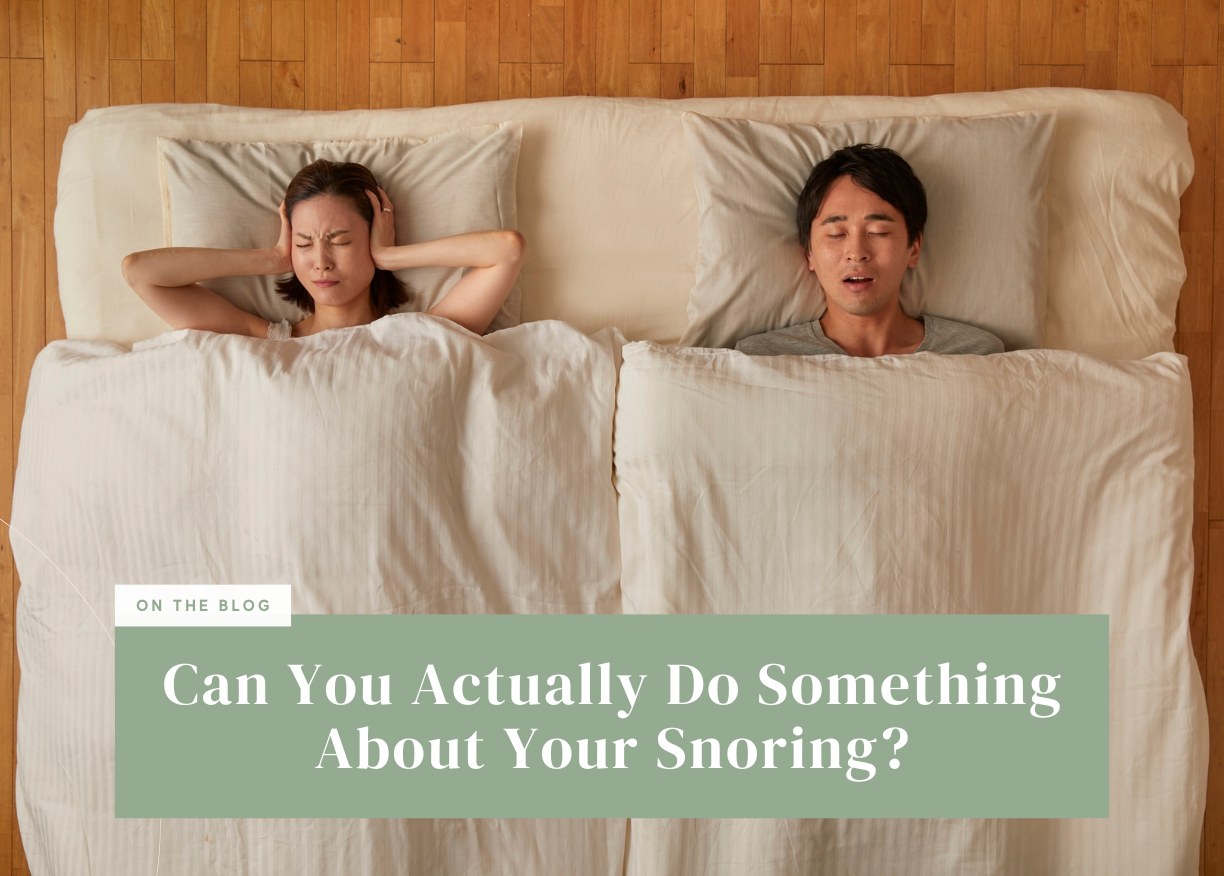

Snoring can feel like one of those things people joke about.
Until it starts affecting real sleep.
Your partner nudges you.
You wake up with a dry mouth.
You feel embarrassed on trips.
You sleep in separate rooms.
You wake up tired even though you were in bed all night.
And after a while, you start wondering:
Can you actually do anything about snoring?
The answer is yes.
Sometimes snoring can be improved with simple changes.
But the first step is understanding why it happens.
What Causes Snoring?

Snoring happens when air does not move smoothly through your nose or throat while you sleep.
As air passes through a narrowed airway, the surrounding tissues vibrate.
That vibration creates the snoring sound.
Mayo Clinic explains that snoring can be caused by several factors, including the anatomy of your mouth and sinuses, alcohol use, allergies, a cold, weight, nasal congestion, and sleep position. (Mayo Clinic)
So snoring is not always one problem.
It can come from the nose.
The throat.
The tongue.
The sleep position.
The pillow.
The evening routine.
That’s why the right solution depends on the cause.
Why Snoring Often Gets Worse on Your Back

Many people snore more when they sleep flat on their back.
In that position, the tongue and soft tissues can fall backward more easily, narrowing the airway.
That does not mean everyone must stop back sleeping completely.
But if snoring is worse on your back, changing your position may help.
Even a slight change in angle can sometimes make breathing feel more open.
Alcohol Can Make Snoring Worse

A drink before bed may feel relaxing.
But it can also relax the muscles in the throat.
When those muscles relax too much, the airway can narrow more easily during sleep.
Mayo Clinic notes that sedatives and alcohol can relax throat tissues and contribute to snoring. (Mayo Clinic)
So if snoring is a problem, one of the simplest things to test is avoiding alcohol close to bedtime.
Not forever.
Just long enough to see whether it makes a difference.
Nasal Congestion Matters

Sometimes snoring is not coming from the throat as much as the nose.
If you are congested from allergies, a cold, dry air, or sinus issues, breathing through the nose becomes harder.
When nasal breathing is blocked, you may breathe through your mouth more often.
That can increase snoring.
Cleveland Clinic notes that a stuffy nose is a common contributor to snoring, and Mayo Clinic recommends treating nasal congestion or obstruction when it plays a role. (Cleveland Clinic)
This is why snoring may get worse during allergy season, after a cold, or in dry bedroom air.
Your Pillow Can Affect Snoring Too

Your pillow controls the position of your head and neck.
If your head bends too far forward, too far back, or to the side awkwardly, breathing may feel less natural.
A pillow that supports the neck in a neutral position can help the airway feel more open and comfortable.
This does not mean a pillow “cures” snoring.
But poor pillow support can make sleep posture worse.
And sleep posture can affect breathing.
Stacking Pillows Is Not the Best Fix

Many people try to reduce snoring by stacking pillows.
That can feel helpful at first because the head is higher.
But stacking pillows often creates a sharp bend in the neck instead of lifting the upper body smoothly.
That can lead to:
-
Neck stiffness
-
Shoulder tension
-
Poor alignment
-
Sliding down during the night
-
A cramped airway position
If elevation helps your snoring, the better solution is usually not more pillows.
It is smoother elevation.
A Better Option: Elevating the Upper Body

For some people, gently elevating the upper body can help reduce snoring by improving sleep position and making breathing feel more open.
That is where an adjustable base can be helpful.
Instead of forcing your head up with pillows, an adjustable base raises the mattress itself.
Your upper body moves as one supported surface.
That feels more natural than bending at the neck.
It can also help with other nighttime issues, including reflux, pressure relief, and general comfort.
Weight and Lifestyle Can Play a Role

Snoring can also be influenced by weight, smoking, sleep deprivation, and overall health.
Extra tissue around the neck can narrow the airway.
Smoking can irritate the airway.
Poor sleep can make tissues more relaxed and snoring worse.
This does not mean snoring is anyone’s fault.
It means the body is connected.
Sometimes small lifestyle changes can reduce snoring enough to make sleep more peaceful.
When Snoring Is More Than Snoring

This is important.
Not all snoring is dangerous.
But some snoring can be a sign of sleep apnea.
Pay attention if snoring comes with:
-
Gasping
-
Choking
-
Pauses in breathing
-
Waking up suddenly
-
Morning headaches
-
Dry mouth
-
High blood pressure
-
Daytime sleepiness
-
Waking up unrefreshed
The NHLBI lists breathing that starts and stops, frequent loud snoring, and gasping for air during sleep as symptoms that can occur with sleep apnea. (NHLBI, NIH)
So if your snoring is loud, frequent, or paired with choking or daytime exhaustion, it is worth talking to a doctor.
Comfort changes can help your sleep environment.
But sleep apnea needs proper medical evaluation.
What You Can Try Tonight

If snoring is mild or occasional, start simple.
1. Change Your Sleep Position
Try sleeping on your side instead of flat on your back.
If you naturally roll onto your back, using a body pillow may help keep you more stable.
2. Elevate Your Upper Body
Instead of stacking pillows, try a smoother incline.
An adjustable base can make this much easier and more comfortable.
3. Support Your Neck Properly
Use a pillow that keeps your head and neck aligned.
Avoid pillows that push your head too far forward.
4. Clear Nasal Congestion
If congestion is part of the problem, address it before bed.
A humidifier, nasal rinse, allergy management, or talking to a doctor about persistent congestion may help.
5. Avoid Alcohol Close to Bedtime
Try removing alcohol from the evening routine for a few nights and see whether snoring improves.
6. Improve Sleep Quality Overall
Being overtired can make snoring worse for some people.
A consistent bedtime, better sleep environment, and fewer nighttime disruptions can support better breathing and deeper rest.
The Sweet Zzz Setup for Better Positioning
Snoring is not always solved by one product.
But the right sleep setup can support a better position, better comfort, and fewer disruptions.
This is the strongest recommendation for snoring-related positioning. It allows you to gently elevate your upper body without stacking pillows or bending your neck awkwardly. It also includes head and foot movement, massage, under-bed lighting, memory presets, and a 20-year warranty.
Supports the head and neck so your airway position feels more natural and your shoulders can relax.
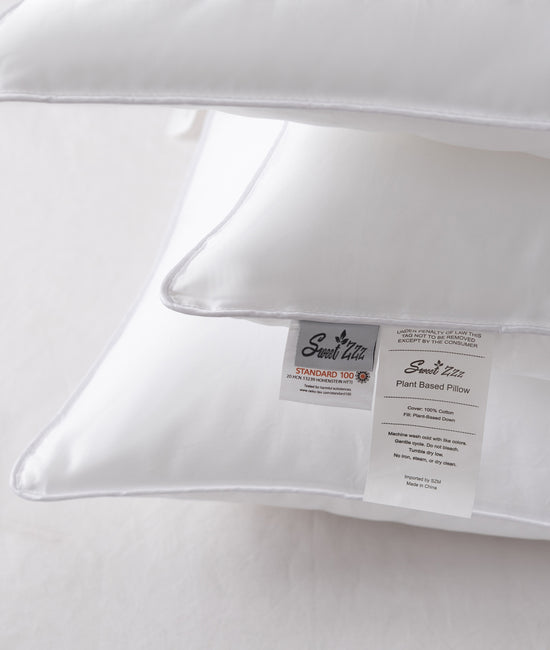
Works with the adjustable base while providing balanced support, pressure relief, and breathable comfort through the night.
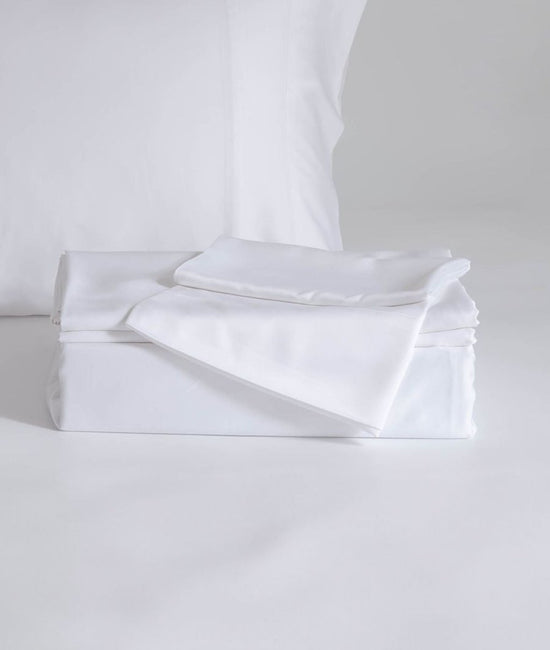
Soft, breathable, and moisture-wicking, they help prevent overheating that can lead to restless sleep and more movement.
Together, they help create a sleep environment that supports better breathing comfort without forcing the body into awkward positions.
Final Thoughts
Snoring is common.
But that does not mean you have to ignore it.
Sometimes, simple changes can help:
Sleep on your side.
Elevate your upper body.
Use a better pillow.
Clear congestion.
Avoid alcohol close to bed.
Improve your sleep environment.
But if snoring is loud, frequent, or paired with gasping, choking, breathing pauses, or daytime exhaustion, it may be more than ordinary snoring.
That is when it is time to talk to a doctor.
Because better sleep is not just about being quiet.
It is about breathing well, resting deeply, and waking up feeling like the night actually helped.