 800-811-7514
Do Naps Help Your Sleep, or Make It Worse?

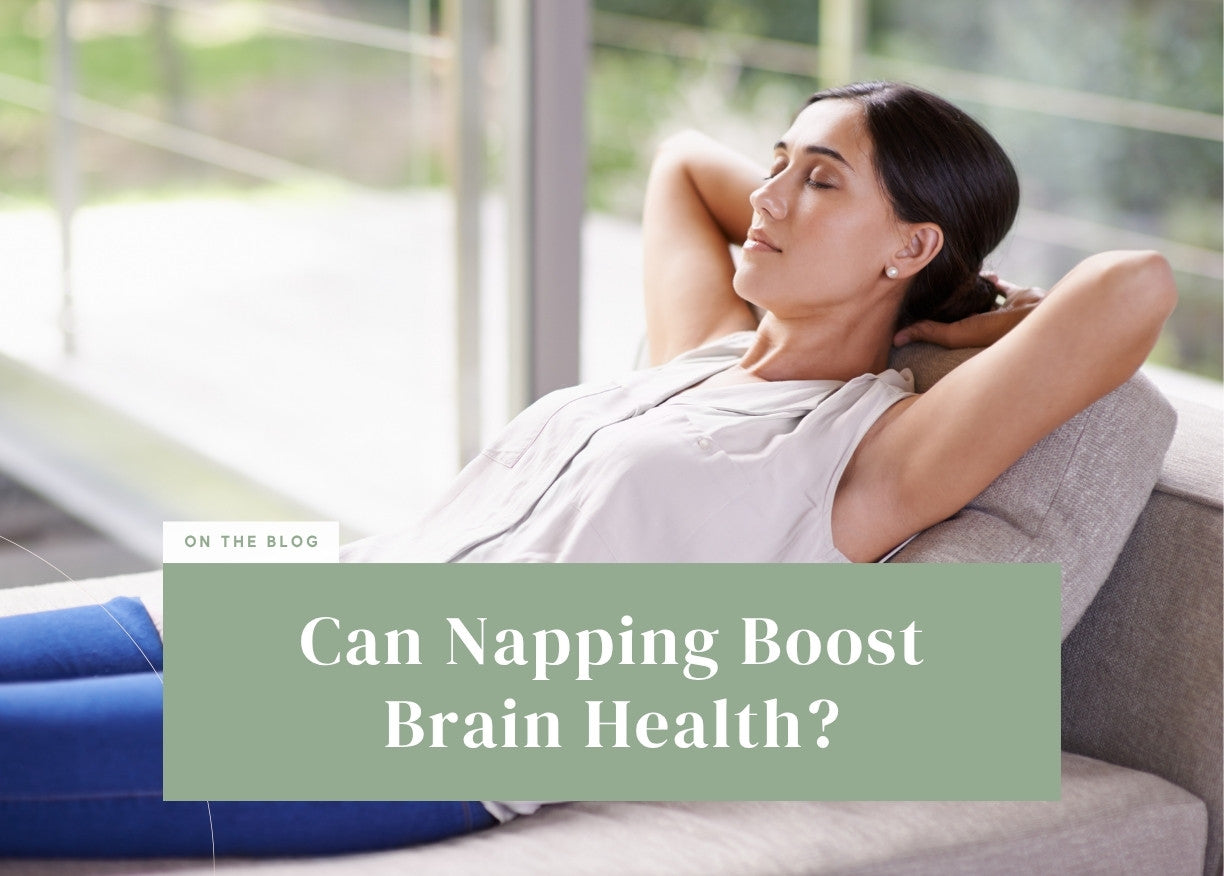
A quick nap sounds like the perfect fix.
You’re tired.
You lie down for a bit.
You wake up feeling… better.
But sometimes?
You wake up groggy.
Or you can’t fall asleep that night.
Or your sleep schedule feels off.
So what’s the truth?
Do naps actually help—or do they hurt your sleep?
First: Naps Aren’t Good or Bad—They’re Strategic
Naps can be incredibly helpful.
But they can also interfere with nighttime sleep—depending on how you use them.
It’s not about whether you nap.
It’s about when and how long.
When Naps Help

1. You’re Sleep-Deprived
If you didn’t sleep well the night before, a short nap can:
-
Improve alertness
-
Boost mood
-
Restore focus
Think of it as a quick reset—not a full recovery.
2. You Keep It Short (15–25 Minutes)
Short naps:
-
Refresh your brain
-
Avoid deep sleep
-
Reduce grogginess
This is often called a “power nap”—and it works.
3. You Nap Early Enough
The best nap window is:
👉 Before 2–3 p.m.
Later naps reduce your sleep pressure and make it harder to fall asleep at night.
When Naps Hurt

1. You Nap Too Long
Long naps (60–90 minutes) often push you into deeper sleep stages.
Waking from deep sleep can cause:
-
Grogginess (sleep inertia)
-
Mental fog
-
Disrupted nighttime sleep
2. You Nap Too Late
Late afternoon or evening naps confuse your circadian rhythm.
Your body thinks:
“Why sleep again so soon?”
3. You Use Naps to Replace Sleep
Naps can’t fully replace a bad night.
They don’t provide:
-
Complete REM cycles
-
Full deep sleep recovery
-
Long-term rhythm stability
They help—but they don’t solve the root issue.
Why Some People Feel Worse After Napping

If you wake up feeling worse, it’s usually because:
-
You entered deep sleep
-
The nap was too long
-
Your body was already overtired
-
Your schedule is inconsistent
It’s not that naps are bad—it’s that the timing wasn’t right.
Should You Nap Every Day?
It depends.
If you:
-
Sleep well at night → you may not need naps
-
Struggle with sleep → naps may interfere
-
Have demanding days → short naps can help
There’s no one-size answer.
How to Nap Without Ruining Your Night

-
Keep it under 25 minutes
-
Nap before mid-afternoon
-
Set an alarm
-
Nap in a calm, comfortable space
-
Don’t rely on naps daily
Used correctly, naps support your day—without harming your night.
Why Nighttime Sleep Still Comes First
Naps are helpful—but they’re not a replacement for deep, continuous sleep.
If your nights are:
-
Interrupted
-
Too warm
-
Uncomfortable
-
Light
you’ll feel tired no matter how much you nap.
Supporting Better Sleep (So You Don’t Need to Nap as Much)
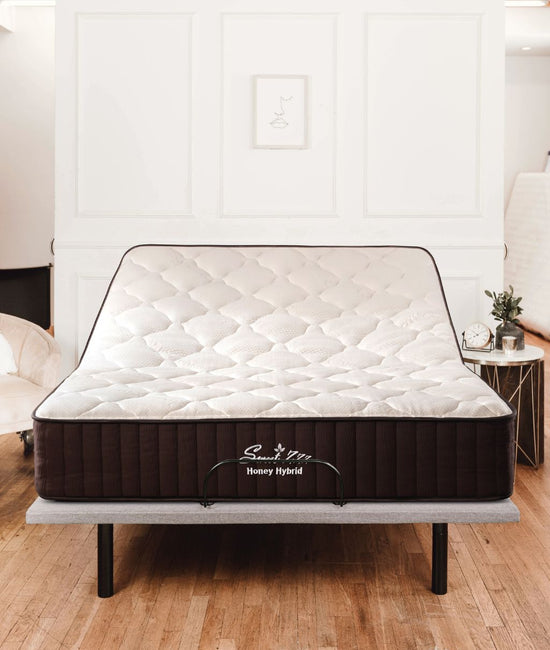
🌿 Honey Hybrid Organic Mattress
Supports deeper, uninterrupted sleep—reducing the need for daytime recovery.
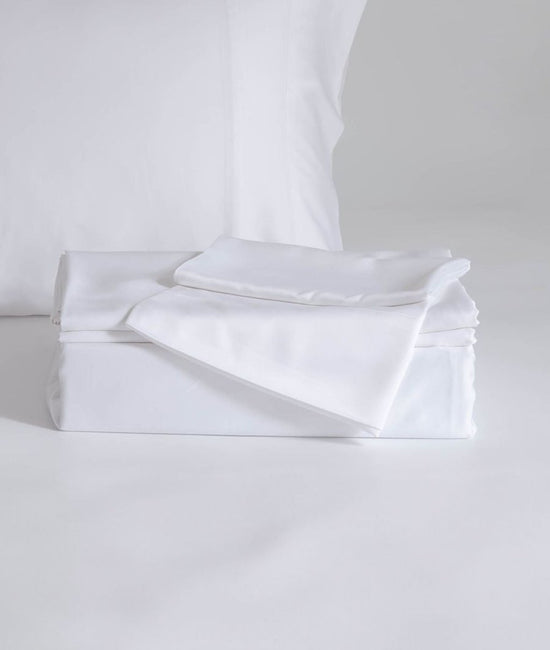
🌿 Bamboo Sheets
Regulate temperature, preventing overheating that disrupts sleep cycles.
🌿 Adjustable Base
Improves comfort and breathing, helping your body stay asleep longer.
Better nights naturally reduce daytime fatigue.
Final Thoughts
Naps aren’t the enemy.
They’re a tool.
Used well, they can refresh your mind and improve your day.
Used poorly, they can quietly disrupt your sleep rhythm.
The goal isn’t avoiding naps.
It’s using them in a way that supports—not replaces—good sleep.