 800-811-7514
Do You Actually Need Less Sleep as You Get Older?


You’ve probably heard it before:
“Older people just need less sleep.”
It sounds logical.
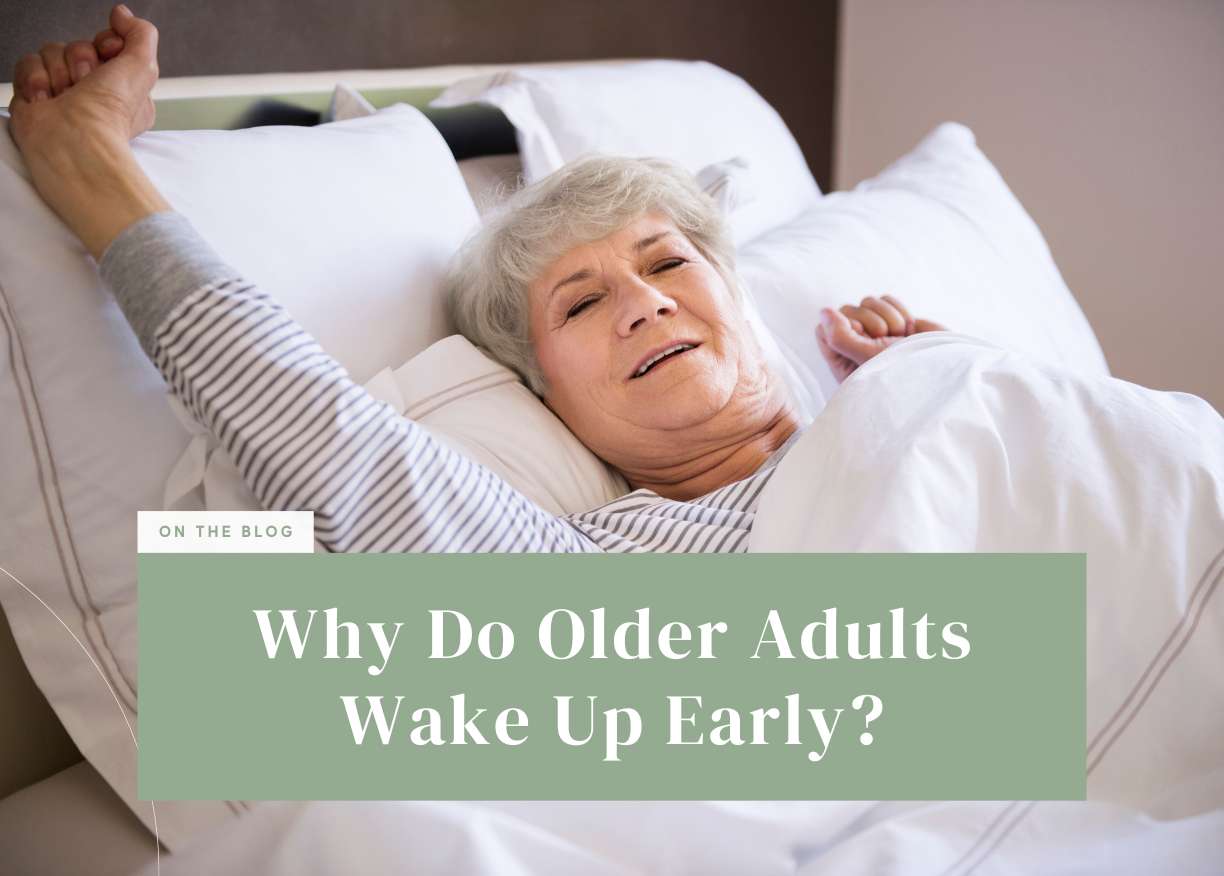
Many older adults sleep fewer hours, wake up earlier, and spend more time awake at night.
But here’s the truth:
Needing less sleep and getting less sleep are not the same thing.
And confusing the two leads a lot of people to accept poor sleep as normal.
What Actually Changes With Age

As we get older, sleep changes—but not always in the way people think.
1. Deep Sleep Decreases
The amount of deep sleep (the most restorative stage) naturally declines with age.
This can make sleep feel:
-
Lighter
-
Easier to interrupt
-
Less refreshing
Even if total sleep time stays similar.
2. Sleep Becomes More Fragmented
Older adults tend to wake up more often during the night.
These awakenings may be caused by:
-
Light sleep stages
-
Temperature sensitivity
-
Physical discomfort
-
Bathroom trips
-
Breathing changes
The result is less continuous sleep.
3. Circadian Rhythm Shifts Earlier

Many people feel sleepy earlier and wake up earlier as they age.
This is called a phase advance.
It doesn’t mean less sleep is needed—it means sleep timing shifts.
4. Hormonal Changes Affect Sleep
Melatonin production decreases with age, which can:
-
Delay sleep onset
-
Reduce sleep depth
-
Increase nighttime awakenings
Sleep becomes more sensitive to environment and routine.
So… Do You Need Less Sleep?

Not really.
Most adults—regardless of age—still need about 7–8 hours of sleep.
What changes is:
-
How easily you fall asleep
-
How deeply you sleep
-
How continuous your sleep is
Older adults often get less sleep because it’s harder to maintain—not because the body needs less.
Why This Misconception Matters
Believing you “need less sleep” can lead to:
-
Ignoring sleep problems
-
Accepting fatigue as normal
-
Overlooking treatable issues
-
Lower overall quality of life
Sleep remains just as important—if not more.
Why Sleep Feels Worse With Age

Sleep often feels less satisfying because:
-
Deep sleep is reduced
-
Wake-ups increase
-
The body is more sensitive to discomfort
-
Recovery takes longer
So even if hours look similar, the experience changes.
What Helps Improve Sleep as You Get Older

1. Focus on Sleep Quality
Since deep sleep decreases, protecting what you do get matters more.
2. Keep a Consistent Schedule
Regular sleep and wake times stabilize your rhythm.
3. Support Physical Comfort
Pressure points and alignment become more noticeable with age.
4. Manage Temperature Carefully
Older adults are more sensitive to heat and cold during sleep.
5. Improve Sleep Continuity
Fewer interruptions = better rest.
Why Your Sleep Setup Matters More Over Time
As sleep becomes lighter, your environment has a bigger impact.
🌿 Honey Hybrid Organic Latex Mattress
Provides balanced support that reduces pressure and helps prevent frequent awakenings.
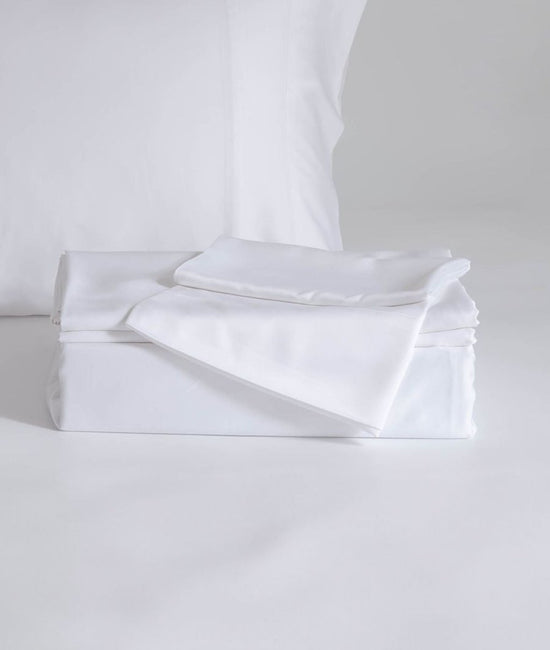
🌿 Bamboo Sheets
Help regulate temperature, which becomes more important as the body’s natural regulation changes.
🌿 Adjustable Base
Allows gentle elevation to ease pressure, improve breathing, and support more comfortable sleep positions.
Small improvements can make a noticeable difference.
Final Thoughts
You don’t need less sleep as you get older.
You just need better support for the sleep you’re getting.
Sleep changes—but it doesn’t become less important.
And when you adjust to those changes instead of accepting them, rest can feel deep and restorative again.