 800-811-7514
Fall Allergies Keeping You Up? Here’s What Can Help
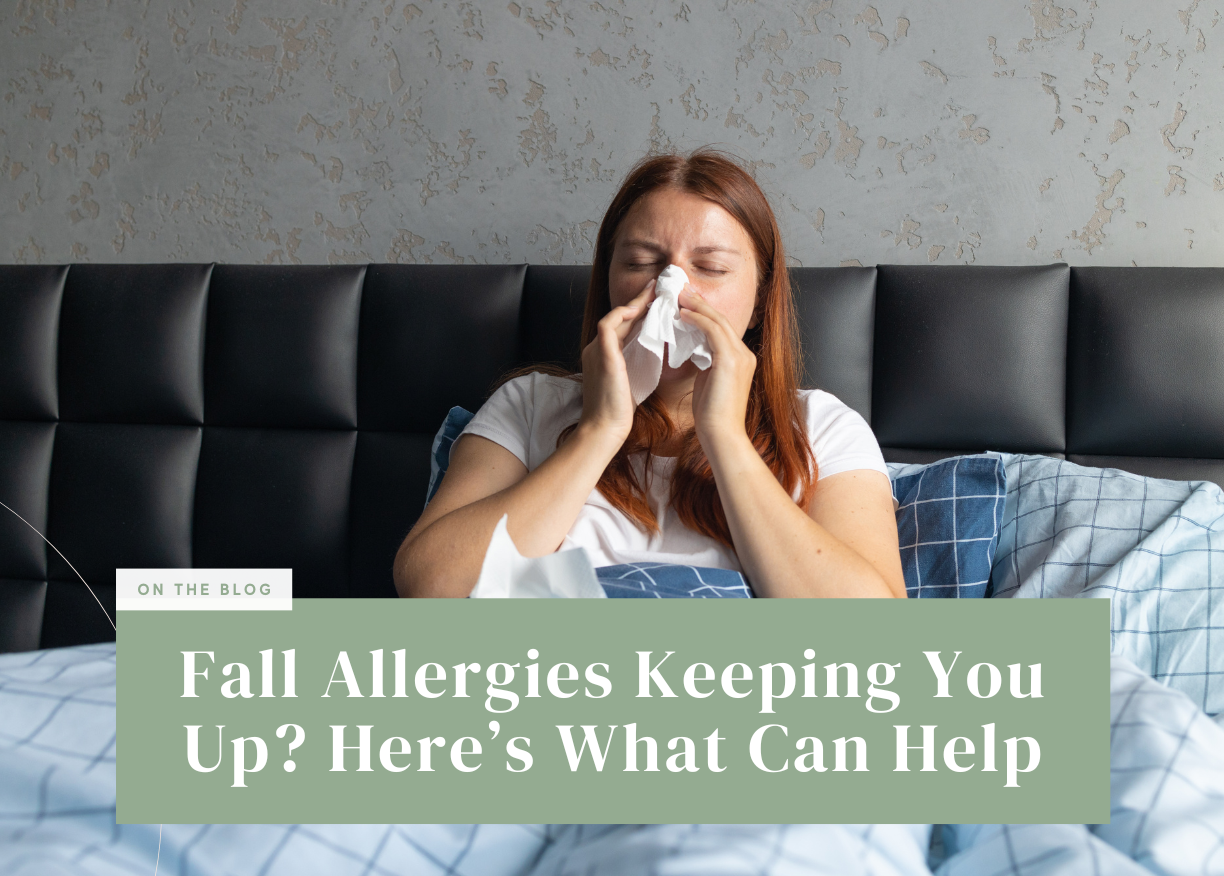

Fall can be beautiful.
Cooler evenings.
Changing leaves.
Earlier sunsets.
A return to routine.
But for allergy-sensitive sleepers, fall can also mean something else.
A stuffy nose.
Itchy eyes.
Sneezing at night.
A dry throat in the morning.
More coughing.
More tossing and turning.
You get into bed hoping to rest.
But your nose will not clear.
Your breathing feels uncomfortable.
Your pillow suddenly feels irritating.
The room feels dusty, dry, or heavy.
And even if you sleep, it does not feel deep.
So if fall allergies are keeping you up, what can you actually do?
The first step is understanding why allergies often feel worse at night.
Why Fall Allergies Can Disrupt Sleep

Allergies happen when your immune system reacts to something it sees as a threat.
That could be pollen.
Dust mites.
Mold.
Pet dander.
Outdoor particles brought inside.
The American Academy of Allergy, Asthma & Immunology explains that allergic rhinitis can affect the nose, throat, sinuses, ears, and eyes, with symptoms such as sneezing, stuffiness, runny nose, and itchiness.
During the day, symptoms are annoying.
At night, they can become sleep-disrupting.
Because once you lie down, congestion can feel worse.
Breathing through the nose can become harder.
A dry throat can wake you.
Coughing can interrupt sleep.
And discomfort can keep pulling you into lighter sleep.
You may technically spend enough time in bed.
But if allergies keep waking your body, the night may not feel restorative.
Why Allergies Often Feel Worse in the Bedroom

The bedroom should be the cleanest, calmest room in the house.
But for many people, it becomes the place where allergens build up.
Think about it.
You spend hours there every night.
Your sheets collect skin cells, sweat, dust, pollen, and oils.
Your pillow sits close to your nose and eyes.
Your mattress surface collects everyday buildup.
Carpet, curtains, and extra fabrics can hold dust.
Pets may bring dander into the room.
Open windows may let pollen inside.
Mayo Clinic notes that dust mites are commonly found in bedding, carpeting, and upholstered furniture, and dust mite allergy symptoms can include sneezing, runny nose, itchy eyes, nasal congestion, and coughing.
So if you feel worse at night or wake up congested, your bedroom may be part of the problem.
Not because it is dirty.
Because bedrooms naturally collect the exact things allergy-sensitive sleepers react to.
Fall Allergy Triggers to Watch For

Spring allergies get a lot of attention.
But fall has its own triggers.
Depending on where you live, common fall issues can include:
-
Ragweed pollen
-
Mold spores from damp leaves
-
Dust mites indoors
-
Pet dander
-
Dry indoor air
-
Heating systems circulating dust
-
Outdoor allergens brought in on clothes and hair
Mayo Clinic Health System notes that seasonal allergies can occur when pollen levels are high, including fall ragweed pollen, and that indoor allergens such as mold, dust mites, and pet dander can also trigger symptoms.
That is why fall allergies can feel confusing.
You may not know whether the problem is outside air, inside dust, humidity, bedding, or pets.
Often, it is a combination.
1. Keep Pollen Out of the Bedroom

If pollen is one of your triggers, the bedroom needs protection.
Pollen can come inside on:
-
Hair
-
Clothes
-
Shoes
-
Pets
-
Open windows
-
Bedding placed near open air
The AAAAI recommends keeping windows closed and using air conditioning during pollen season.
That can be hard in fall because the air finally feels nice after summer.
But if your allergies are worse at night, sleeping with the window open may be letting triggers into the room.
Try keeping bedroom windows closed during high pollen days.
Change clothes after being outside.
Shower before bed if symptoms are bad.
Keep outdoor shoes away from the bedroom.
These small steps can reduce how much pollen follows you into sleep.
2. Wash Bedding Regularly

Your bed collects more than you think.
Sheets and pillowcases sit directly against your skin, hair, face, and breathing space.
That makes regular washing important.
Mayo Clinic recommends washing sheets, blankets, pillowcases, and bedcovers at least weekly in hot water of at least 130°F to help control dust mites and remove allergens.
For allergy-sensitive sleepers, pillowcases matter especially.
Your face is right there all night.
If pollen, dust, oils, or irritants collect on the pillowcase, your nose and eyes may feel it.
A clean pillowcase can make bedtime feel noticeably fresher.
3. Pay Attention to Your Pillow

Your pillow is one of the closest things to your airway all night.
If it is old, flat, dusty, or hard to clean, it may contribute to irritation.
A poor pillow can also make congestion feel worse if it leaves your head and neck poorly supported.
The goal is not just softness.
The goal is clean, breathable support that helps your head and neck stay comfortable.
If you wake up with congestion, itchy eyes, or a stuffy feeling, ask:
When was this pillow last cleaned or replaced?
Does it hold shape?
Does it smell fresh?
Does my face feel irritated against it?
Do I feel better when sleeping somewhere else?
Sometimes the pillow is not the whole problem.
But because it sits so close to the nose and mouth, it is worth checking.
4. Control Humidity

Humidity can help or hurt.
If the air is too dry, your nose and throat may feel irritated.
If the air is too humid, dust mites and mold may become more of a problem.
Mayo Clinic warns that hot, humid homes can be breeding grounds for dust mites and mold.
That means balance matters.
You do not want the room bone dry.
But you also do not want it damp and heavy.
If the room feels sticky, musty, or humid, a dehumidifier or air conditioning may help.
If the room feels dry and irritating, a humidifier may help, but it should be cleaned regularly and used carefully so it does not make the room too humid.
The goal is comfortable air that helps you breathe easier without encouraging allergens.
5. Consider an Air Purifier

An air purifier is not magic.
But for some allergy-sensitive sleepers, it can help reduce airborne particles in the bedroom.
Mayo Clinic recommends using a HEPA filter in the bedroom and other rooms where you spend a lot of time as one possible step for hay fever management.
This may be especially helpful if you deal with pollen, pet dander, dust, smoke, or general stuffiness.
Choose a model designed for the size of your room.
Keep the filter changed.
And make sure the noise level does not disrupt your sleep.
For some people, the soft steady sound of an air purifier may even help mask sudden noise.
6. Keep Pets Out of the Bedroom If Needed

This one can be hard.
Pets are family.
But if you are allergic or sensitive, pet dander can collect in bedding, carpets, and fabrics.
The AAAAI explains that people are not allergic to animal hair itself, but to allergens found in saliva, dander, and urine, and recommends keeping pets out of the bedroom if exposure cannot be avoided.
You do not necessarily need to make a permanent decision right away.
You can test it.
Try keeping pets out of the bedroom for a few weeks and see whether nighttime congestion, coughing, or itchy eyes improve.
Your sleep can tell you a lot.
7. Reduce Bedroom Dust Collectors

Dust loves fabric.
That includes:
-
Carpets
-
Rugs
-
Curtains
-
Extra blankets
-
Decorative pillows
-
Upholstered furniture
-
Stuffed animals
-
Clutter near the bed
If allergies affect your sleep, simplifying the bedroom can help.
You do not need an empty room.
But fewer dust collectors usually means easier cleaning and fewer irritants close to your breathing space.
Vacuum regularly.
Dust surfaces.
Wash curtains when possible.
Keep the area around the bed clean and simple.
A calmer bedroom is often a cleaner bedroom.
8. Do Not Ignore Mold

Fall can bring damp weather, wet leaves, closed windows, and temperature swings.
That can make mold more noticeable in some homes.
If your bedroom smells musty, feels damp, or has visible mold, do not ignore it.
Mold can irritate allergy-sensitive people and make sleep less comfortable.
The AAAAI lists molds among common indoor allergens, along with dust mite droppings, animal dander, and cockroach droppings.
Look for moisture issues around windows, walls, bathrooms, closets, and air vents.
Fix leaks.
Improve ventilation.
Use a dehumidifier if needed.
For serious mold problems, professional help may be necessary.
A sleep-friendly bedroom should not smell damp or stale.
9. Watch for Allergy Symptoms That Affect Sleep

Allergies can show up in ways that directly disrupt the night.
Common sleep-related allergy symptoms include:
-
Nasal congestion
-
Sneezing
-
Itchy eyes
-
Postnasal drip
-
Coughing
-
Dry throat
-
Mouth breathing
-
Snoring
-
Restless sleep
-
Waking up unrefreshed
Mayo Clinic specifically includes asking whether hay fever symptoms interfere with sleep as part of evaluating the condition.
That matters.
If allergies are affecting your sleep, they are not just a daytime annoyance.
They are affecting recovery.
10. Talk to a Doctor If Symptoms Keep Disrupting Sleep

Lifestyle changes can help reduce triggers.
But if allergy symptoms keep interfering with sleep, work, school, breathing, or daily life, it is worth talking to a healthcare professional.
A doctor or allergy specialist can help identify triggers and recommend treatment options such as antihistamines, nasal sprays, allergy testing, or immunotherapy when appropriate.
Mayo Clinic notes that healthcare professionals may discuss symptoms, possible triggers, and allergy testing when diagnosing hay fever, and that immunotherapy may be considered for certain allergies such as pollen, dust mites, or animal dander.
Do not assume you just have to suffer through fall.
Better allergy control can mean better sleep.
A Simple Fall Allergy Bedroom Reset

Try this for one week:
1. Wash Sheets and Pillowcases
Start with the sleep surface closest to your face.
2. Keep Windows Closed on High Pollen Days
Fresh air feels nice, but pollen can follow.
3. Shower Before Bed After Outdoor Time
This helps remove pollen from hair and skin.
4. Change Clothes Before Getting Into Bed
Do not bring the day’s allergens into the sheets.
5. Vacuum and Dust the Bedroom
Focus especially near the bed.
6. Check Humidity
Avoid rooms that are too damp or too dry.
7. Consider a HEPA Air Purifier
Especially if pollen, dust, or pets are major triggers.
8. Keep Pets Off the Bed If Needed
Test it for a few weeks if symptoms are worse at night.
Why Your Sleep Setup Matters
If fall allergies are affecting your sleep, your bed matters.
Not because a mattress can cure allergies.
It cannot.
But because your sleep setup is where your face, skin, and breathing space spend hours every night.
🌿 Honey Hybrid Mattress
Made with GOLS organic latex, organic cotton, organic wool, and individually pocketed coils, the Honey Hybrid is designed for breathable, cleaner comfort.
It is made without polyurethane foams, fiberglass, chemical flame retardants, glues, formaldehyde, or heavy metals.
It is also GREENGUARD Gold certified as a finished mattress, giving extra peace of mind for customers who care about what they bring into the bedroom.
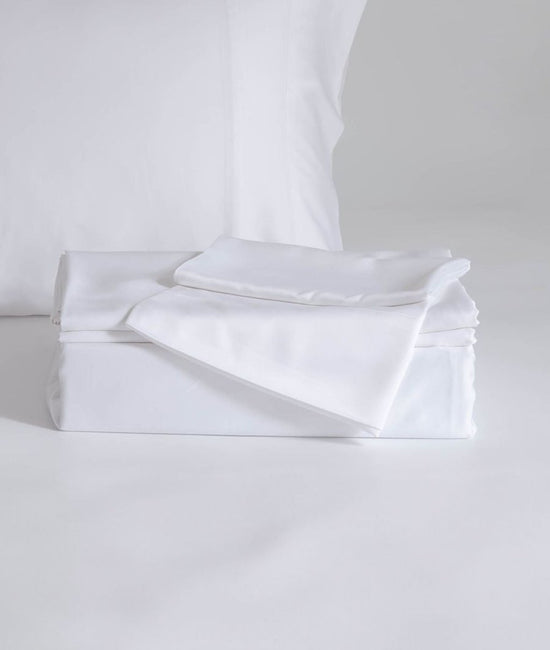
🌿 Bamboo Sheets
Soft, breathable, and moisture-wicking, Bamboo Sheets help create a cooler, fresher sleep surface. They are also easy to wash regularly, which matters during allergy season.
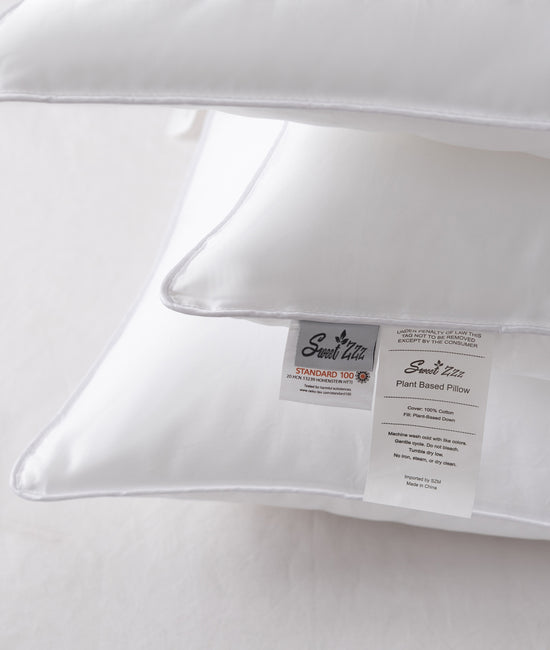
🌿 Plant-Based Pillow
A supportive pillow helps keep your head and neck aligned while giving your face a soft, comfortable place to rest. If allergies make nights more sensitive, your pillow should feel fresh, breathable, and supportive.
🌿 Cooling Tencel Mattress Protector
A mattress protector helps protect the mattress from moisture, spills, and everyday buildup while keeping the sleep surface easier to maintain.
🌿 White Noise Machine
If congestion, coughing, or outside noise makes sleep feel lighter, steady background sound can help create a calmer, more predictable bedroom environment.
A cleaner sleep setup will not eliminate every allergen.
But it can help reduce the things that make bedtime feel irritating, stuffy, and restless.
Final Thoughts
Fall allergies can make sleep harder in ways that are easy to underestimate.
A stuffy nose.
A dry throat.
Itchy eyes.
Coughing.
Mouth breathing.
Restless sleep.
These symptoms may seem small during the day, but at night they can keep pulling your body out of rest.
Start with the bedroom.
Wash bedding.
Control humidity.
Reduce dust.
Keep pollen out.
Consider filtration.
Pay attention to your pillow and mattress environment.
And if allergy symptoms keep interfering with sleep, talk to a healthcare professional.
Because fall should feel like a fresh start.
Not a season of waking up congested, irritated, and tired.
Better sleep may begin with cleaner air, cleaner bedding, and a bedroom that helps your body breathe easier.