 800-811-7514
How Does Aging Affect Sleep?
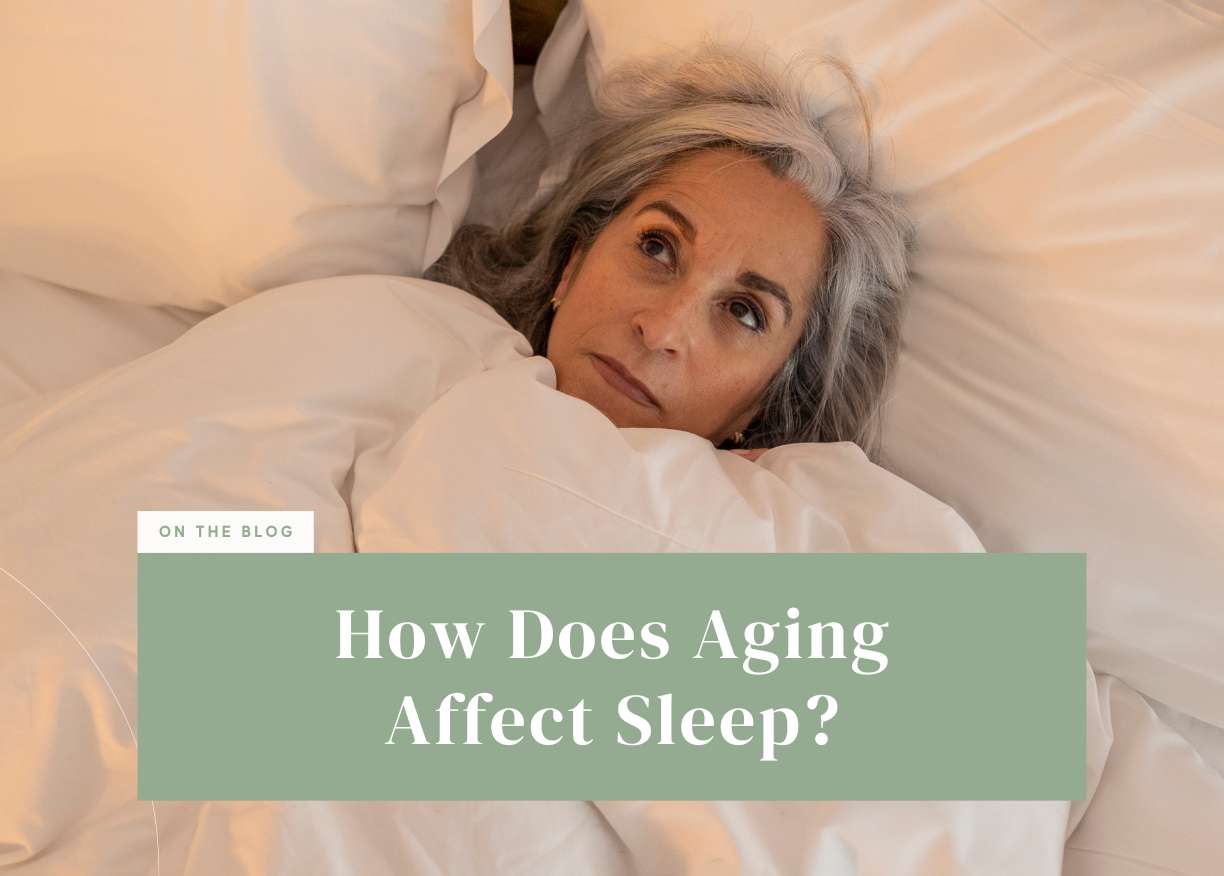

At some point, sleep changes.
You may still go to bed on time.
You may still feel tired at night.
But suddenly, sleep feels lighter.
You wake up earlier than you used to.
Or you wake more often during the night.
Many people assume this is just “getting older.”
But the truth is more nuanced—and more hopeful—than that.
Aging does affect sleep, but understanding how allows you to work with your body instead of fighting it.

What Changes in Sleep as We Age
1. Deep Sleep Becomes Shorter
As we age, the amount of deep (slow-wave) sleep naturally decreases.
This is the most physically restorative stage of sleep—the one responsible for muscle repair and immune support.
Less deep sleep can make mornings feel less refreshing, even if total sleep time hasn’t changed.

2. Sleep Becomes Lighter
Older adults tend to spend more time in lighter sleep stages.
This makes the brain more sensitive to:
-
Noise
-
Light
-
Temperature changes
-
Physical discomfort

Small disturbances that once went unnoticed now cause awakenings.
3. Circadian Rhythm Shifts Earlier
Many people notice they feel sleepy earlier in the evening and wake up earlier in the morning.
This isn’t insomnia—it’s a phase shift in your internal clock.
Your body simply prefers an earlier schedule.

4. Hormonal Changes Play a Role
Hormones that influence sleep—like melatonin—decline with age.
This can delay sleep onset or make sleep feel fragmented.
In women, menopause adds another layer with night sweats, temperature swings, and restless sleep.

5. The Body Becomes Less Forgiving
Poor sleep posture, an unsupportive mattress, or overheating might not have mattered much in your 20s.
Later in life, your body feels everything.
Aches, stiffness, pressure points, and breathing changes all affect sleep quality more directly.

What Doesn’t Have to Happen
Aging does not automatically mean:
-
Chronic insomnia
-
Constant fatigue
-
Waking up sore every morning
-
Accepting poor sleep as “normal”

Many sleep issues attributed to age are actually environmental or positional—and can be improved.
How to Sleep Better as You Age

Why Your Sleep Setup Matters More With Age
As the body becomes more sensitive, your sleep environment becomes more influential.

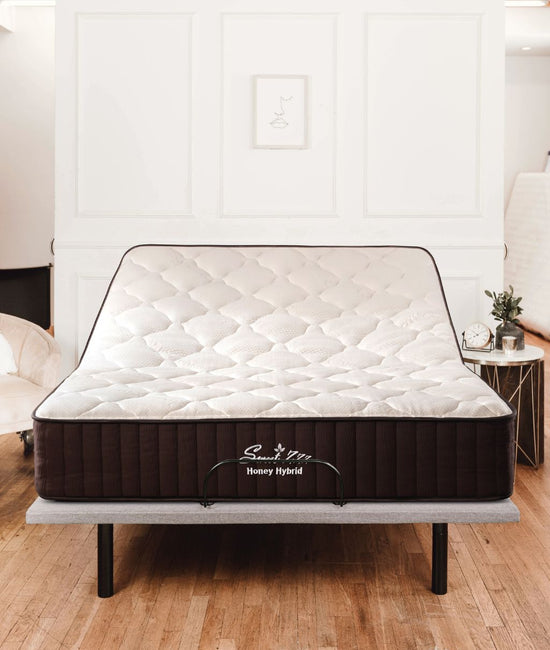
🌿 Honey Hybrid Organic Mattress
Provides consistent support without pressure buildup, helping reduce joint strain and nighttime tossing.
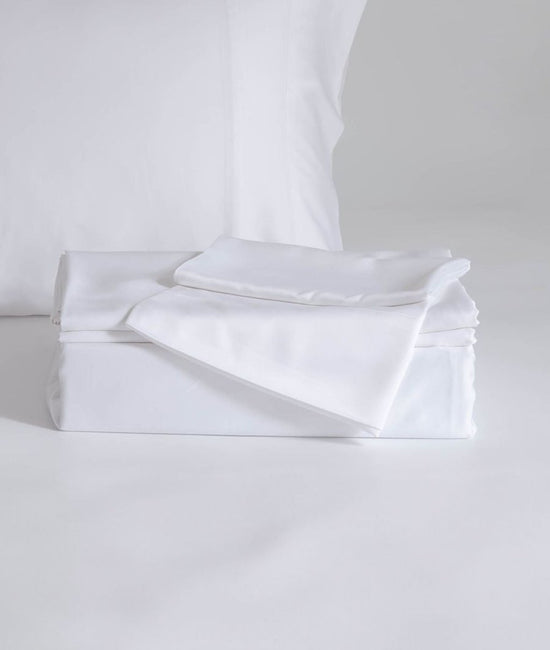
🌿 Bamboo Sheets
Temperature-regulating and gentle on sensitive skin—important as the body’s ability to self-regulate declines.
🌿 Adjustable Base
One of the most helpful tools for aging sleep:
gentle elevation can reduce back pressure, improve breathing, and make getting in and out of bed easier—without forcing the body into unnatural positions.
These aren’t “luxuries.”
They’re adaptations that support a changing body.
Final Thoughts
Aging doesn’t ruin sleep—it changes it.
And when you understand those changes, you can respond with better habits, better support, and more compassion for your body.
Sleep doesn’t need to be perfect.
It just needs to work with where you are now.
And when it does, aging feels a lot less exhausting.