 800-811-7514
How Heat and Cold Affect Your Sleep (More Than You Think)
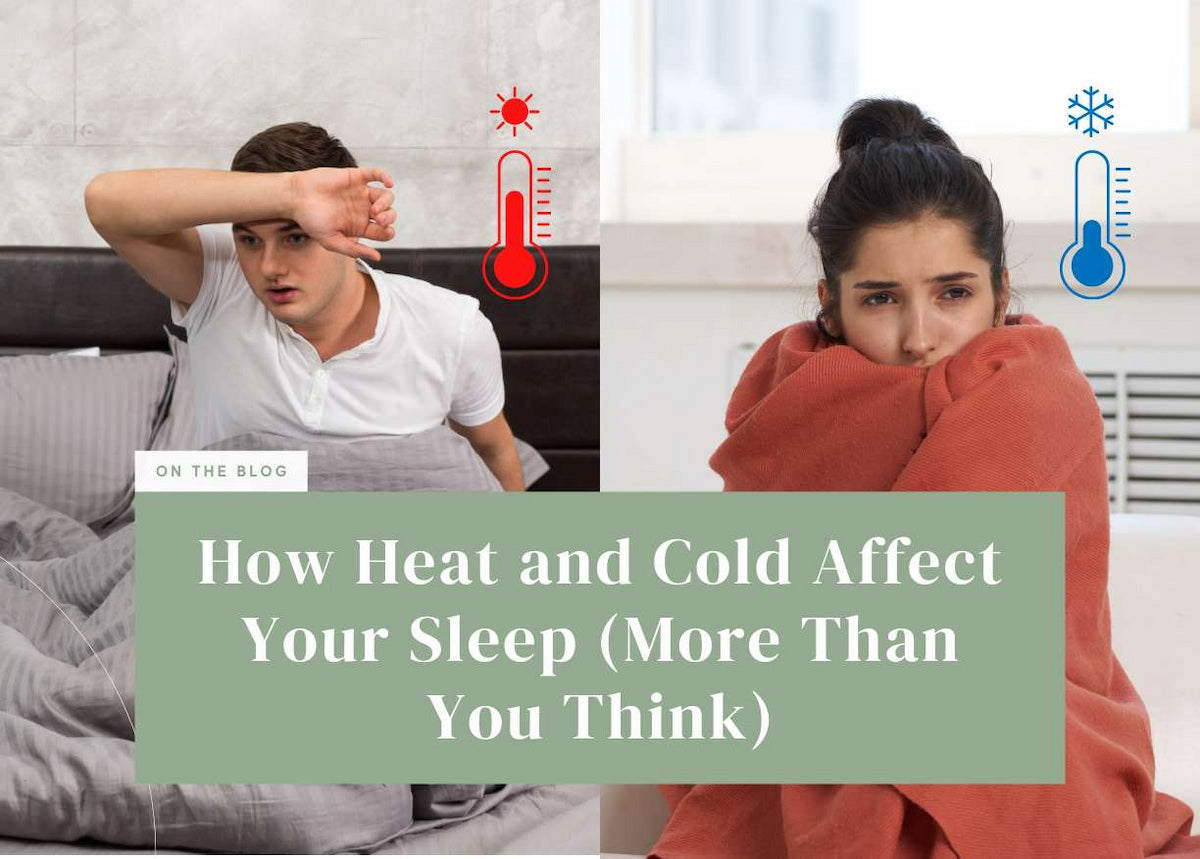

If you’ve ever tossed and turned because you were too hot…
or woken up stiff and restless because you were too cold…
you’ve experienced firsthand how powerful temperature is when it comes to sleep.

Sleep isn’t just about darkness and quiet.
It’s deeply connected to body temperature—and when that balance is off, sleep quality drops fast.
Why Temperature Matters So Much for Sleep
Your body follows a natural rhythm throughout the day.
As bedtime approaches, your core body temperature drops, signaling that it’s time to sleep.
Anything that interferes with that cooling process—heat or excessive cold—can disrupt your ability to fall asleep and stay asleep.

How Heat Disrupts Sleep
1. Overheating Prevents Deep Sleep
When you’re too warm, your body struggles to reach deep and REM sleep.
This leads to:
-
More tossing and turning
-
Frequent awakenings
-
Shallow, unrefreshing sleep
Even small temperature increases can reduce sleep depth.

2. Heat Increases Heart Rate and Stress
Warm environments raise heart rate and activate the nervous system—doing the opposite of what sleep requires.
You may feel tired but strangely wired.

3. Night Sweats Fragment Sleep
Heat traps moisture and causes sweating, which often wakes you without realizing it.
The result: broken sleep cycles and morning fatigue.
How Cold Can Also Interfere With Sleep
Cold isn’t always better.
1. Extreme Cold Causes Muscle Tension
When you’re too cold, your muscles tighten to conserve heat.
That tension can cause stiffness, discomfort, and early awakenings.
2. Cold Extremities Can Delay Sleep
If your hands and feet are cold, your body struggles to regulate temperature properly—making it harder to fall asleep.
3. Temperature Swings Wake the Brain
Cold air combined with heavy bedding can create overheating later in the night, leading to repeated wake-ups.

The Ideal Sleep Temperature
Most people sleep best when the bedroom is around 65°F (18°C).
This allows your body to cool naturally while staying comfortable under breathable bedding.
How to Balance Heat and Cold for Better Sleep
1. Keep the Room Cool, Not Cold
Aim for a steady temperature rather than extremes.
2. Use Breathable Bedding
Breathability matters more than thickness—especially year-round.
3. Layer Instead of Overheating
Layers let you adjust without trapping heat.

4. Warm Up Before Bed, Cool Down to Sleep
A warm shower raises skin temperature temporarily—but the cooling afterward helps trigger sleep.
5. Support Temperature Stability, Not Just Comfort
Stable temperature through the night leads to fewer awakenings and deeper sleep cycles.
Why Your Sleep Setup Plays a Major Role
Your bed creates a microclimate that can either support or sabotage sleep.

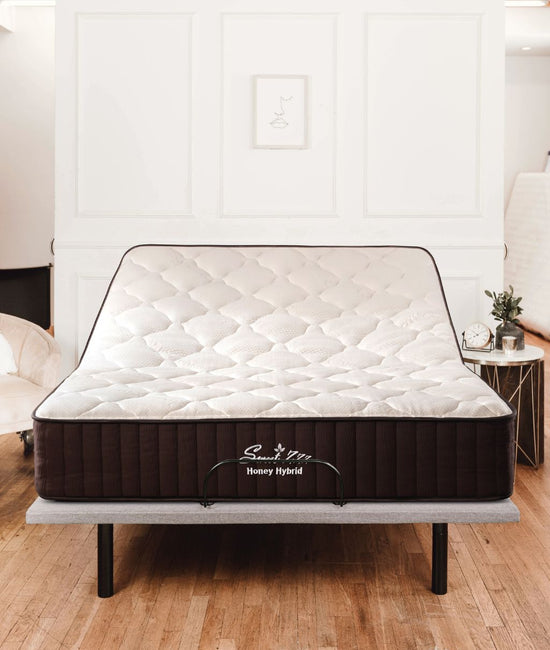
🌿 Honey Hybrid Organic Mattress
Naturally breathable materials allow heat to dissipate instead of trapping it beneath your body.
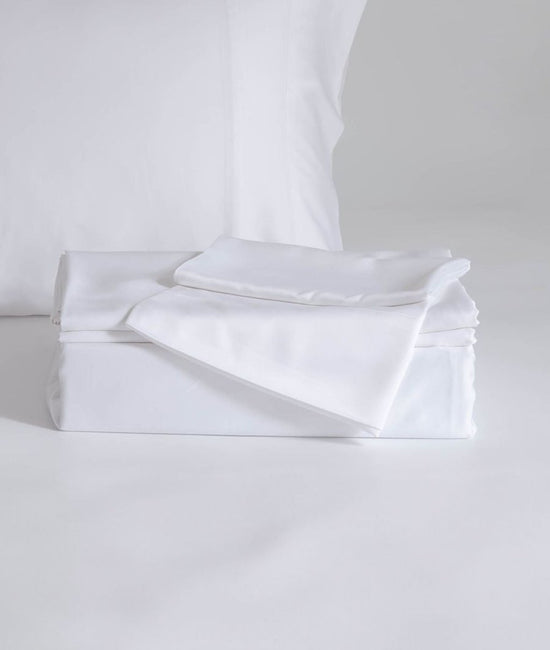
🌿 Bamboo Sheets
Excellent for temperature regulation—cool when you’re warm, comfortable when you’re cool.
🌿 Adjustable Base
Elevation improves airflow and circulation, helping the body regulate temperature more efficiently throughout the night.
Together, these elements help maintain the thermal balance your body needs to sleep deeply.
Final Thoughts
Sleep thrives on balance.
Too hot, and your nervous system stays alert.
Too cold, and your body stays tense.
When temperature works with your biology—not against it—sleep becomes deeper, calmer, and more restorative.
If your sleep feels inconsistent, temperature is often the hidden factor worth fixing first.