 800-811-7514
How to Create a Fall Sleep Reset That Actually Lasts
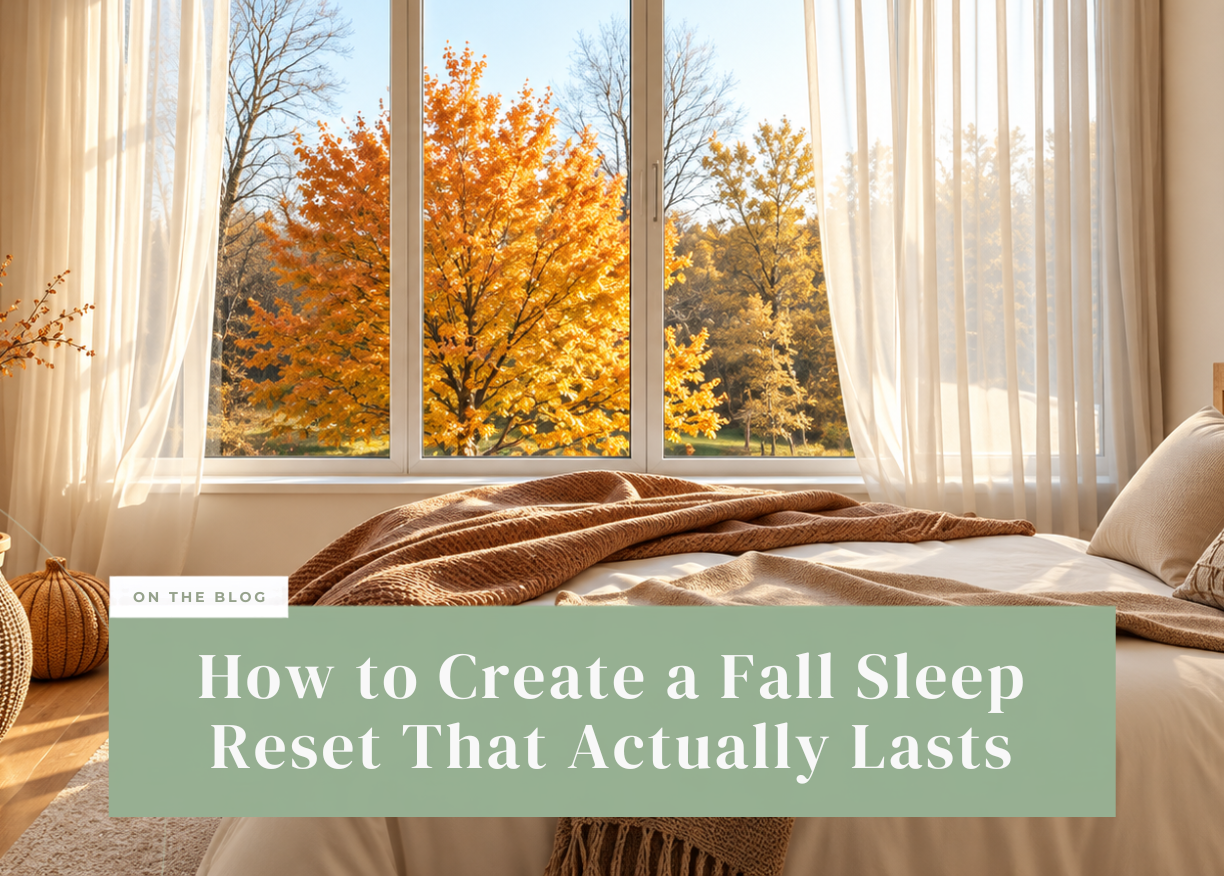

Fall feels like a reset.
The days start changing.
The nights get cooler.
Schedules become more structured.
School starts again.
Work feels busier.
The loose rhythm of summer slowly fades.
And for a moment, you feel motivated.
You tell yourself:
This is the season I finally fix my sleep.
You will go to bed earlier.
Wake up on time.
Stop scrolling at night.
Drink less caffeine.
Get your routine back.
And maybe it works.
For a few days.
Then life gets busy again.
One late night becomes two.
The phone comes back into bed.
The weekend throws everything off.
The bedroom still feels too warm, too bright, or too uncomfortable.
And the reset disappears.
That is the problem with most sleep resets.
They are too dramatic.
They depend on motivation.
They demand perfection.
They do not leave room for real life.
A fall sleep reset that actually lasts needs to be different.
It needs to be simple enough to repeat, flexible enough to survive busy weeks, and comfortable enough that your body wants to follow it.
Why Fall Is a Great Time to Reset Sleep

Fall naturally brings structure back.
Summer often stretches the day.
Later sunsets.
Later dinners.
Later nights.
More travel.
More relaxed mornings.
Less routine.
Then fall arrives and life starts asking for rhythm again.
That makes it a good time to rebuild sleep habits because your environment is already changing.
The evenings get darker.
The nights may get cooler.
Your calendar becomes more predictable.
Your body starts looking for a steadier pattern.
Sleep responds well to rhythm.
NHLBI explains that your sleep-wake cycle follows a circadian rhythm, and that light, darkness, and other cues help determine when you feel awake and when you feel drowsy.
That is why fall can be useful.
It gives your body new cues.
You just have to turn them into habits.
Why Most Sleep Resets Fail

Most sleep resets fail because they try to change too much at once.
You go from a loose summer schedule to a strict bedtime.
You cut caffeine suddenly.
You ban screens completely.
You force yourself into bed before you feel sleepy.
You expect one perfect week to fix months of inconsistency.
That usually creates frustration.
And frustration is bad for sleep.
A better reset is not built on pressure.
It is built on repetition.
Small changes repeated consistently are more powerful than dramatic changes you abandon by Thursday.
Start With One Anchor: Wake-Up Time

If you only choose one habit to start with, choose a consistent wake-up time.
Most people try to fix sleep by forcing bedtime earlier.
But bedtime is hard to force.
Wake-up time is easier to anchor.
When you wake up around the same time most days, your body gets a clearer signal about when the day begins. Over time, that can help sleepiness arrive more naturally at night.
The CDC recommends going to bed and getting up at the same time each day as part of healthy sleep habits.
This does not mean you can never sleep in.
But during a reset, try not to swing your wake-up time dramatically between weekdays and weekends.
Your body does better with rhythm than surprise.
Use Morning Light as Your Reset Button

Morning light is one of the strongest tools you have.
It tells your brain:
The day has started.
That matters because sleep is not only controlled by bedtime.
It is shaped by the whole day.
If your mornings are dark, rushed, and indoors, your body may not get a strong wake signal.
Then nighttime sleep can feel less predictable.
Try getting light soon after waking.
Open the curtains.
Step outside for a few minutes.
Drink coffee near a bright window.
Take a short morning walk.
Turn on bright indoor lights if the morning is still dark.
NHLBI notes that light, darkness, eating, and physical activity are cues your body uses to align the sleep-wake cycle with the environment.
A good fall reset does not start at night.
It starts in the morning.
Create a Bedtime Window, Not a Bedtime Prison

A strict bedtime can backfire if your body is not ready.
You lie down too early.
You stare at the ceiling.
You get annoyed.
You check the time.
Now the bed feels stressful.
Instead, create a bedtime window.
For example:
I will start winding down around 9:30 and aim to be asleep around 10:30.
That gives your body structure without pressure.
Your reset should guide you toward sleep.
Not make sleep feel like a performance.
Protect the Last 30 Minutes

You do not need a two-hour night routine.
Most people will not keep that up.
But you can protect the last 30 minutes.
That small window can change the whole night.
Use it to slow down.
Dim the lights.
Put work away.
Stop scrolling.
Set the phone across the room.
Read something calming.
Stretch gently.
Write tomorrow’s top tasks.
Make the room feel quieter.
The CDC recommends turning off electronic devices at least 30 minutes before bedtime and keeping the bedroom quiet, relaxing, and cool.
The last 30 minutes should tell your body:
Nothing urgent is happening now.
That is the signal sleep needs.
Do Not Try to Earn Sleep With Exhaustion

Some people think the best way to sleep is to completely exhaust themselves.
Work all day.
Push through stress.
Stay busy until the last second.
Collapse into bed.
Sometimes that works.
But often, it creates the wrong state.
Your body is tired, but your nervous system is still alert.
That is why you can be exhausted and still unable to sleep.
A lasting reset is not about crashing harder.
It is about landing softer.
The body needs a transition.
Even 10 calm minutes can help.
Move Caffeine Earlier

Fall routines often make people reach for more caffeine.
Earlier mornings.
School drop-offs.
Work deadlines.
Darker afternoons.
More structure after summer.
Caffeine can help you get through the day, but late caffeine can steal from the night.
You do not have to quit coffee to improve sleep.
Start by moving it earlier.
If you usually drink caffeine at 4 p.m., try 2 p.m.
If sleep still feels light, try stopping by noon.
Your body will tell you what it can handle.
The goal is simple:
Do not let today’s tiredness create tonight’s sleep problem.
Keep Dinner From Becoming a Sleep Disruptor

Fall schedules can push dinner later.
Homework.
Sports.
Work calls.
Errands.
Family routines.
Traffic.
By the time dinner happens, it may be close to bed.
A heavy meal right before lying down can make sleep less comfortable, especially if you deal with reflux, bloating, overheating, or restless sleep.
A lasting reset does not require a perfect diet.
But it helps to make evening meals predictable and not too heavy too late.
If dinner is late, keep it lighter.
If you need a snack, keep it simple.
Your body should not have to digest the heaviest meal of the day while trying to rest.
Make Weekends Support the Reset

Weekends can destroy a sleep reset quickly.
You do well Monday through Friday.
Then Saturday comes.
You stay up late.
Sleep in for hours.
Nap too long.
Go to bed late again.
By Sunday night, sleep feels harder.
By Monday morning, you feel like you are starting over.
You do not need strict weekends.
But keep the reset alive.
Try not to shift bedtime and wake time too far from your weekday rhythm.
A little flexibility is normal.
A completely different schedule can confuse the body.
The goal is not to make weekends boring.
The goal is to stop Monday morning from feeling like jet lag.
Adjust Your Bedroom for Fall

Your bedroom should change with the season.
The same setup that worked in August may not feel right in September or October.
Nights may get cooler.
Mornings may feel darker.
Humidity may shift.
Allergies may flare.
Bedding may feel too heavy or too light.
Windows may bring in pollen or noise.
Your mattress may feel warmer under thicker covers.
The CDC recommends keeping the bedroom quiet, dark, relaxing, and at a comfortable temperature.
So use fall as a bedroom check.
Is the room cool enough?
Is it too dry or too humid?
Are the sheets breathable?
Is your comforter too warm?
Is the room dark enough at night?
Is there enough light in the morning?
Is dust or pollen affecting your sleep?
A sleep reset should not only happen in your schedule.
It should happen in your room.
Layer Bedding Instead of Switching Too Fast

Fall weather is inconsistent.
One night feels like summer.
The next morning feels chilly.
If you switch too quickly to heavy bedding, you may overheat.
If you stay with summer bedding too long, you may wake up cold.
Layering works better.
Use breathable sheets.
Add a light blanket.
Keep a warmer layer nearby.
Choose bedding you can adjust during the night.
A lasting sleep reset needs comfort.
If the bed keeps waking you because you are too hot or too cold, the routine will not hold.
Handle Fall Allergies Before Bed

Fall allergies can quietly break sleep.
Pollen, dust, mold, pet dander, and indoor air changes can make nights feel stuffy and restless.
You may wake up congested.
Cough more.
Breathe through your mouth.
Feel dry or irritated in the morning.
If allergies are part of your fall sleep problem, start with the bedroom.
Wash sheets and pillowcases regularly.
Keep bedroom windows closed on high-pollen days.
Shower before bed after outdoor time.
Change clothes before getting into bed.
Vacuum near the bed.
Consider an air purifier if dust, pets, or pollen are a problem.
You breathe bedroom air for hours every night.
A cleaner bedroom can make the reset feel easier.
Check the Mattress You Are Resetting On

This is the part many people skip.
They try to fix sleep with routine changes while sleeping on a bed that keeps working against them.
If your mattress is sagging, trapping heat, creating pressure, or failing to support your body, your reset may only go so far.
Ask yourself:
Do I wake up stiff?
Do I wake up hot?
Do I toss and turn?
Do my shoulders or hips feel pressure?
Does my lower back feel unsupported?
Do I sleep better somewhere else?
Does the mattress have dips or soft spots?
The CDC’s sleep-environment guidance for workers notes that if a bed has lumps, creaks, or a depression where you sleep, or if you wake up stiff, it may be time to replace it.
A better routine matters.
But the surface you sleep on matters too.
Match Your Mattress to Your Sleep Position

A lasting reset needs the right physical support.
Side sleepers usually need more pressure relief at the shoulders and hips.
Back sleepers usually need balanced support for the lower back.
Stomach sleepers usually need firmer support so the hips do not sink too far.
Combination sleepers need responsiveness so changing positions feels easy.
If your mattress does not match how you actually sleep, you may keep tossing and turning even with a better routine.
Do not choose firmness based only on what sounds healthy.
Choose based on your body and your sleep position.
Do Not Forget the Pillow

A pillow can ruin an otherwise good sleep reset.
If your pillow is too high, your neck bends upward.
If it is too low, your head drops.
If it is flat, lumpy, or unsupportive, your shoulders and upper back may stay tense.
That can make sleep feel restless and mornings feel stiff.
Your pillow should keep your head and neck aligned with the rest of your spine.
The mattress supports the body.
The pillow supports the top of the spine.
Both need to work together.
Build a Reset That Works for Busy Nights

A sleep reset that only works on perfect nights is not useful.
Fall gets busy.
There will be late work.
Kids’ activities.
Unexpected errands.
Travel.
Guests.
Stressful days.
Nights that do not go as planned.
So create a minimum version of your routine.
Something you can do even when the night is messy.
For example:
Wash face.
Brush teeth.
Write tomorrow’s top three tasks.
Phone away.
Lights dim.
Five slow breaths.
Bed.
That is enough.
Not perfect.
Enough to keep the rhythm alive.
Consistency does not mean doing everything.
It means returning to the pattern quickly.
Make the Reset Easy to Repeat

The best routine is the one you will actually do.
If your reset includes too many steps, it may feel good for a week and then disappear.
Keep it simple.
A steady wake time.
Morning light.
Earlier caffeine.
A 30-minute wind-down.
A cooler bedroom.
Comfortable bedding.
A supportive mattress and pillow.
That is enough for most people to start.
Once those habits feel normal, you can add more.
Sleep improves best when the routine feels livable.
Track the Right Things

Do not judge your reset only by whether you fell asleep instantly.
That creates pressure.
Instead, track how your mornings feel.
Ask:
Was it easier to wake up?
Did I hit snooze less?
Did I feel less stiff?
Did I wake up less during the night?
Did I feel calmer at bedtime?
Did I need less caffeine?
Did I feel more focused during the day?
The American Academy of Sleep Medicine and Sleep Research Society recommend that adults sleep 7 or more hours per night on a regular basis to support optimal health, though individual needs can vary.
Hours matter.
But how you feel matters too.
A good reset should improve both sleep quantity and sleep quality.
Do Not Quit After One Bad Night

One bad night does not ruin the reset.
This is where people give up too quickly.
They have one stressful evening.
One late bedtime.
One night of tossing and turning.
One morning where they feel tired.
Then they think:
It didn’t work.
But sleep is not fixed in a straight line.
It responds to patterns.
If one night goes badly, return to the routine the next day.
Wake up close to your normal time.
Get morning light.
Move a little.
Keep caffeine earlier.
Wind down again.
The reset is not measured by perfection.
It is measured by how quickly you come back.
A Simple 14-Day Fall Sleep Reset

A lasting reset works better when it is gradual.
Try this for two weeks.
Days 1–3: Anchor the Morning

Wake up at the same time each day.
Get light soon after waking.
Do not worry about changing everything else yet.
Just teach your body when the day begins.
Days 4–6: Move Caffeine Earlier

Keep caffeine earlier in the day.
Notice whether sleep feels lighter or deeper.
Do not add pressure.
Just observe.
Days 7–9: Protect the Last 30 Minutes

Create a simple wind-down.
No work.
Less scrolling.
Dim lights.
Phone away.
Tomorrow written down.
Make the final part of the day calmer.
Days 10–11: Reset the Bedroom

Adjust temperature.
Wash bedding.
Check light and noise.
Layer blankets.
Make the room feel cooler, darker, quieter, and easier to sleep in.
Days 12–13: Check the Bed

Look honestly at your mattress and pillow.
Do you wake up sore?
Do you sink into dips?
Do you feel pressure?
Do you overheat?
Do you sleep better away from home?
A routine can only do so much if the bed is the problem.
Day 14: Keep What Worked

Do not add more just to feel productive.
Keep the changes that actually helped.
Your reset should become lighter, not heavier.
The goal is not a perfect sleep project.
The goal is a rhythm you can live with.
When Sleep Problems Need More Help

A fall sleep reset can help many people.
But it is not a replacement for medical care.
Talk to a healthcare professional if sleep problems last for weeks, affect daily life, or come with symptoms like loud snoring, gasping, breathing pauses, severe daytime sleepiness, morning headaches, restless legs, chronic pain, depression symptoms, anxiety symptoms, frequent reflux, or night sweats.
A better routine can support sleep.
But ongoing or serious symptoms deserve proper attention.
The Sweet Zzz Setup for a Fall Sleep Reset
A lasting sleep reset needs the right routine.
But it also needs the right environment.
Your body should not be fighting heat, pressure, poor support, or discomfort while you are trying to sleep better.
🌿 Honey Hybrid Mattress
Designed to support spinal alignment, relieve pressure, and help your body stay comfortable through the night.
The GOLS organic latex provides responsive comfort, while individually pocketed coils offer stable support and help reduce motion transfer.
The breathable organic materials help reduce overheating, which is especially helpful as fall bedding starts to change.
The Honey Hybrid is made without polyurethane foams, fiberglass, chemical flame retardants, glues, formaldehyde, or heavy metals.
Choose the firmness that fits your sleep position:
Medium-Soft for side sleepers and pressure relief.
Medium-Firm for back sleepers, couples, and combination sleepers.
Firm for stomach sleepers and stronger support.
Honey Hybrid Plus for an extra firm feel around 9 out of 10.
🌿 Bamboo Sheets
Soft, breathable, and moisture-wicking, Bamboo Sheets help keep the sleep surface comfortable as nights shift from warm to cool.
They are a strong choice for fall because they work well with layering.
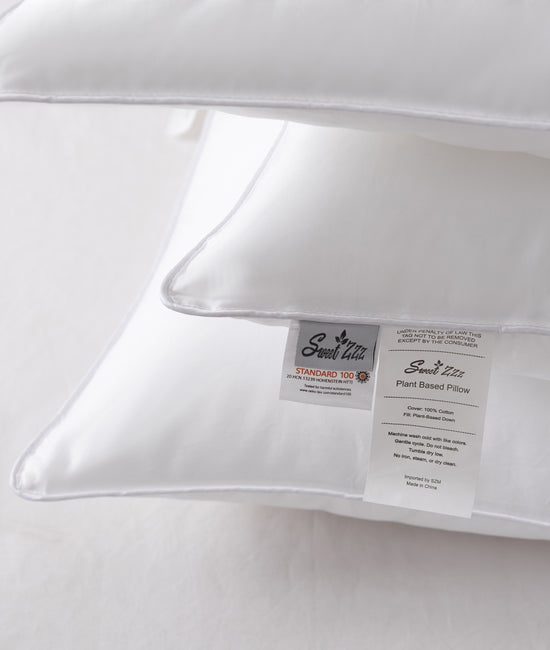
🌿 Plant-Based Pillow
Supports the head and neck so your upper spine can relax into better alignment.
A sleep reset works better when your body is not waking up with neck or shoulder tension.
🌿 Cooling Tencel Mattress Protector
Helps protect your mattress from moisture, spills, and everyday buildup while keeping the sleep surface breathable and easier to maintain.
A cleaner sleep surface supports a fresher bedroom reset.
🌿 Adjustable Base
Helps you create a more relaxing nighttime routine with head and foot adjustment, massage, and comfortable positions for reading, leg elevation, or pressure relief.
Sometimes a better wind-down starts with making the bed easier to relax in before sleep.
🌿 White Noise Machine
Helpful for apartment noise, busy homes, street sounds, partners, kids, or anyone who wakes easily from sudden sounds.
A steady sound environment can help the bedroom feel more predictable.
A good sleep reset is not about buying everything.
It is about solving the problems that keep interrupting your sleep.
Final Thoughts
A fall sleep reset should not feel like punishment.
It should feel like coming back to rhythm.
Summer may have loosened your schedule.
Fall gives you a chance to rebuild it.
But the reset has to be realistic.
Start with a steady wake time.
Get morning light.
Move caffeine earlier.
Protect the last 30 minutes.
Adjust the bedroom.
Check your mattress and pillow.
Keep weekends from undoing the week.
Return quickly after bad nights.
Do not chase perfect sleep.
Build repeatable sleep.
Because the best reset is not the one that looks impressive for three days.
It is the one your body can trust night after night.
And when your routine, room, and sleep setup finally work together, fall can become more than a busy season.
It can become the season your sleep starts feeling steady again.