 800-811-7514
How to Stop Overheating Under Heavy Fall Bedding
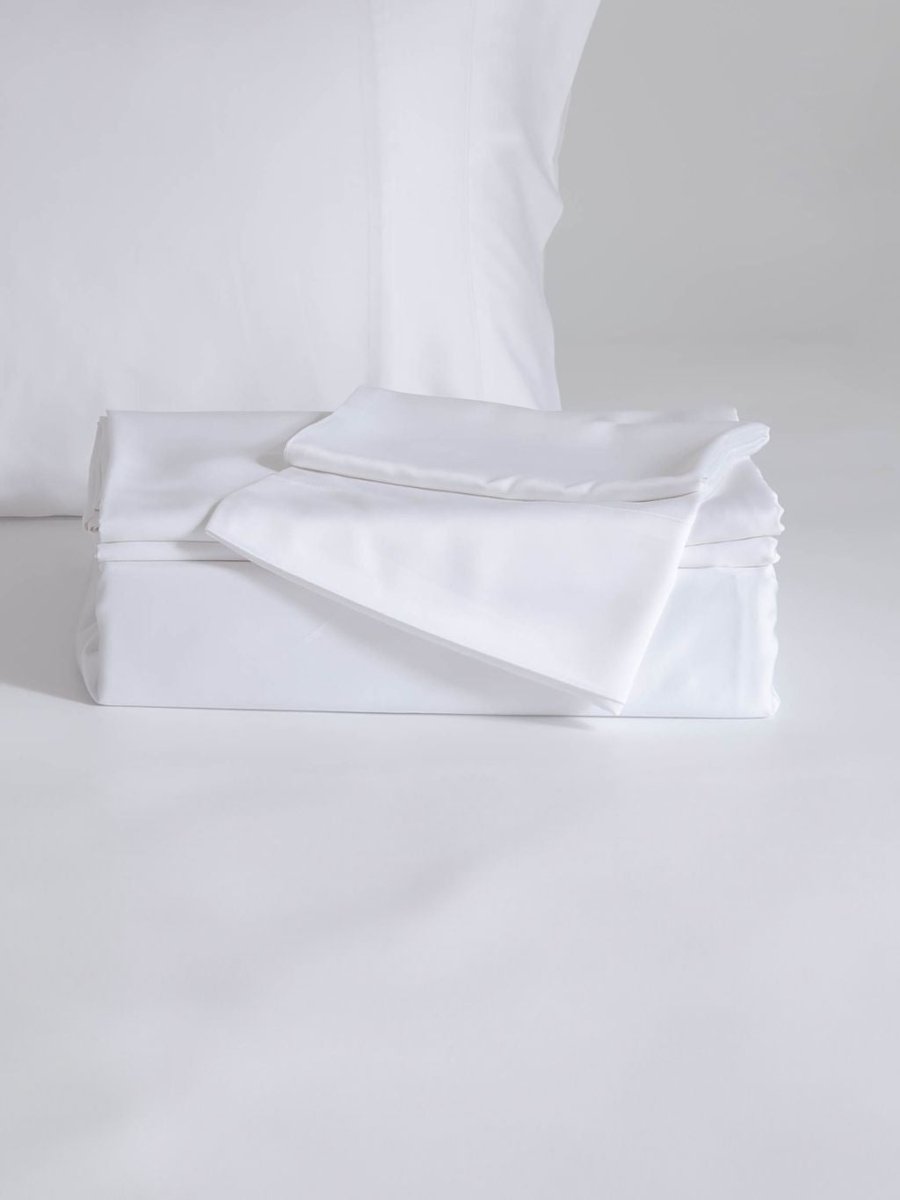
Fall bedding is one of the best parts of the season.
The thicker blanket comes out.
The bed looks cozier.
The room feels cooler.
The nights feel calmer.
You finally get that warm, tucked-in feeling summer could never give you.
Then the night starts.
At first, everything feels perfect.
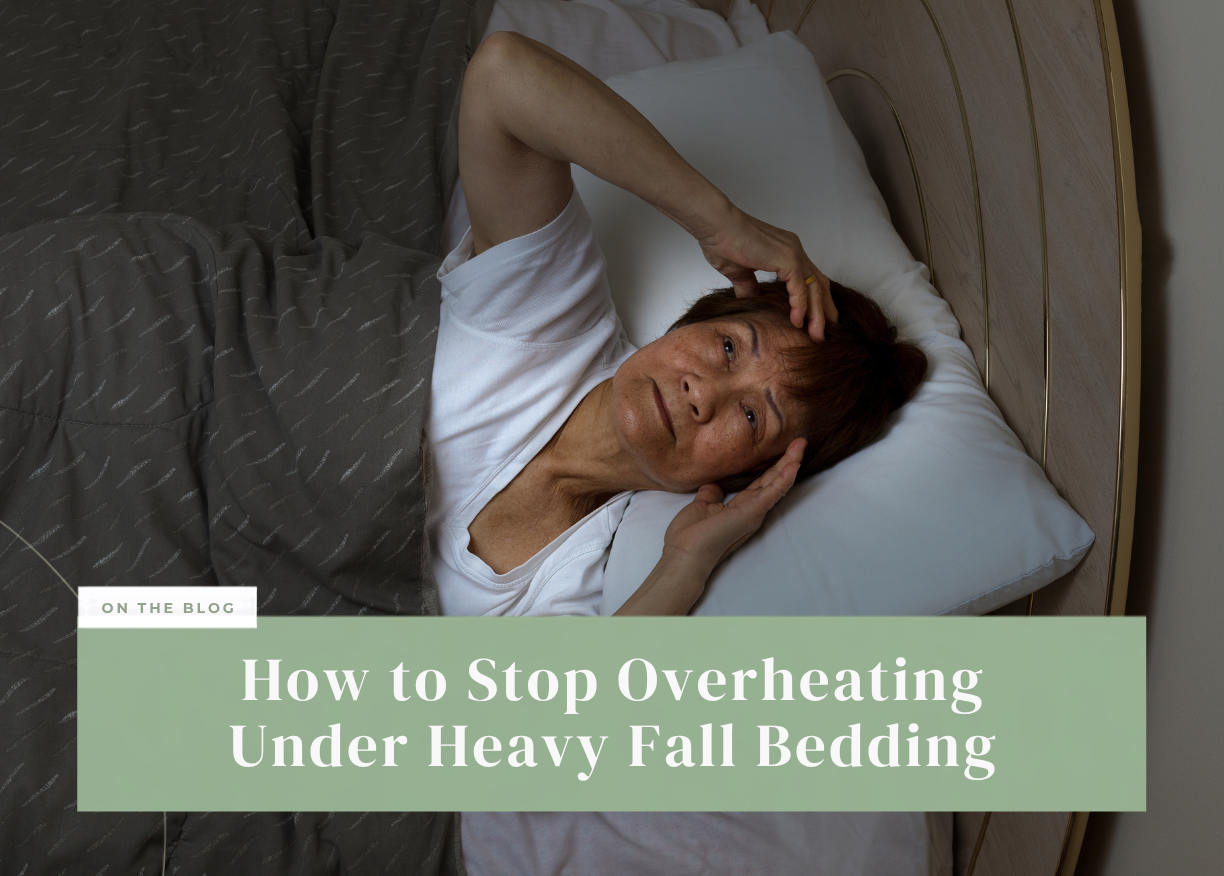
But a few hours later, you wake up hot.
You kick off the blanket.
Then you get cold.
Then you pull it back on.
Then you wake up again.
By morning, the bed looks like a fight happened.
This is one of the most common fall sleep problems.
You are cold enough to want heavier bedding.
But once you are asleep, that bedding traps too much heat.
So you spend the night bouncing between too hot and too cold.
The answer is not always to use less bedding.
And it is not always to freeze the room.
The answer is to build a sleep setup that keeps you warm without trapping heat.
Because fall sleep should feel cozy.
Not sweaty.
Why Heavy Fall Bedding Makes You Overheat

Heavy bedding traps warmth close to the body.
That can feel wonderful when you first get into bed.
But sleep lasts for hours, and your body temperature changes through the night.
Sleep Foundation explains that the body’s core temperature naturally drops as part of the sleep process, and that a bedroom that is too hot or too cold can disrupt sleep.
So when bedding holds in too much heat, your body may struggle to cool itself comfortably.
You may not wake up fully every time.
But heat can still make sleep lighter.
You toss.
Turn.
Kick the blanket off.
Pull it back on.
Reach for water.
Flip the pillow.
The problem is not that you dislike warmth.
The problem is that your body needs temperature balance.
Cozy at Bedtime Can Become Too Hot at 2 A.M.

This is the trap.
You choose bedding based on how it feels when you first lie down.
But bedtime comfort and all-night comfort are not the same.
At bedtime, the room may feel cool.
Your body may feel chilly.
A heavy comforter feels perfect.
But a few hours later, your body heat has built up under the layers.
The bed becomes warmer than the room.
Your skin feels hot.
You wake up uncomfortable.
That is why heavy bedding can trick you.
It solves the first five minutes.
Then creates problems for the next seven hours.
The real test is not how the bed feels when you get in.
The real test is how it feels when you wake up in the middle of the night.
Your Bed Has Its Own Microclimate

People often think bedroom temperature means the air in the room.
But your bed creates its own small climate under the covers.
Your mattress, sheets, protector, pajamas, blanket, and body heat all work together.
That space under the bedding can become much warmer than the room itself.
So you may wonder:
Why am I sweating if the bedroom is cold?
Because the room is cold, but the bed is hot.
That is why lowering the thermostat does not always fix overheating.
You may need to change what is happening inside the bed, not only around it.
One Heavy Blanket Gives You No Flexibility

One thick comforter can look beautiful.
But it gives you only two choices:
Under it.
Or out of it.
That is not enough flexibility for fall.
Fall temperatures change.
Your body temperature changes.
The room temperature changes.
A single heavy blanket makes every adjustment dramatic.
Too hot?
You remove the whole thing.
Too cold?
You pull the whole thing back.
This creates the classic hot-cold cycle.
Sleep Foundation recommends using bedding strategically and notes that layers can help because they can be added or removed as needed.
Layering gives your body options.
A breathable sheet.
A light blanket.
A medium layer.
A warmer layer nearby.
Now you can adjust without fully waking yourself up.
Start With Breathable Sheets

The sheet layer matters more than people think.
Your sheets are closest to your skin.
If they trap heat or moisture, every blanket above them feels hotter.
If they breathe well, your whole bed feels more balanced.
Sleep Foundation recommends choosing bedding with enough breathability to help prevent overheating, including materials such as organic cotton, viscose from bamboo, or Tencel lyocell.
That is why fall overheating often starts with the wrong base layer.
A heavy blanket over breathable sheets can feel cozy.
A heavy blanket over heat-trapping sheets can feel suffocating.
Before blaming the comforter, check what is touching your body first.
Do Not Ignore Pajamas

Pajamas are part of your bedding system.
If you wear thick pajamas under heavy blankets, you may be doubling the problem.
Flannel pajamas.
Fleece pants.
Thick socks.
Heavy robe before bed.
Warm room.
Heavy comforter.
It all adds up.
You do not need to sleep cold.
But you also do not want every layer to be a heat-trapping layer.
Try lighter pajamas under warmer bedding.
Or warmer pajamas with lighter bedding.
Do not make every part of the setup heavy at the same time.
Cold-weather comfort works best when each layer has a purpose.
The Mattress Can Make Overheating Worse

People usually blame blankets for overheating.
But the mattress matters too.
If your mattress traps heat, adding heavy fall bedding makes the problem worse.
Foam-heavy beds can sometimes hold warmth close to the body.
A less breathable mattress protector can add another heat layer.
Thick sheets and blankets can seal everything in.
Now your body is surrounded by heat from above and below.
A breathable mattress helps your bed feel more balanced.
It does not need to feel cold.
It just needs to avoid trapping too much warmth against your body.
Heavy bedding is easier to manage when the mattress underneath is breathable.
A Mattress Protector Can Also Trap Heat

A mattress protector is important.
It protects the mattress from sweat, spills, moisture, and everyday buildup.
But some protectors can make the bed feel hotter.
If the protector feels plasticky, stiff, noisy, or sweaty, it may be changing the sleep surface.
That becomes more noticeable under fall bedding.
You may think the blanket is the problem.
But the heat could be coming from the protector layer too.
A good protector should protect without making the mattress feel hot or sealed off.
If overheating started after adding a protector, that is worth checking.
Room Temperature Still Matters

Even though bedding is important, the room still matters.
A bedroom that is too warm makes heavy bedding harder to tolerate.
CDC sleep guidance recommends keeping the bedroom quiet, relaxing, and at a cool temperature.
CDC/NIOSH guidance also suggests that a comfortably cool room around 65 to 68 degrees Fahrenheit works well for many people, with covers used for warmth.
That is a helpful way to think about it.
Let the room stay cool.
Let the bedding provide adjustable warmth.
Do not make the room hot and then pile on heavy blankets too.
That combination is almost guaranteed to cause overheating.
Cool Room, Warm Body Is the Goal

The best fall sleep setup is usually not a hot room.
It is a cool room with bedding that keeps your body comfortably warm.
That balance helps your body relax without overheating.
If the room is too cold, your body may tense.
If the room is too warm, your body may sweat.
If the bedding is too heavy, your body may get trapped in heat.
If the bedding is too light, you may wake up cold.
The goal is the middle.
Cool air.
Warm enough covers.
Breathable layers.
No heat trap.
That is where fall sleep starts to feel really good.
Your Feet May Need Their Own Solution

Sometimes the whole body is not cold.
Only the feet are.
So people add a heavier blanket.
Now the feet feel better, but the rest of the body overheats.
This is a common mistake.
If your feet get cold, try solving that specific problem.
Light breathable socks.
A small extra blanket near the foot of the bed.
A warmer layer only on the lower half.
A warm shower before bed.
Do not overheat the whole bed just because your feet are cold.
Targeted warmth works better.
Your Partner May Not Need the Same Bedding

Couples often overheat because they share one bedding setup.
One person runs hot.
One person runs cold.
One wants a heavy comforter.
One wants a light blanket.
One kicks the covers off.
One pulls them back.
This can ruin sleep for both people.
Separate blankets can help.
It may not look as perfect.
But it can work much better.
Each person gets the warmth and weight they need.
Less cover stealing.
Less overheating.
Less waking each other up.
Better sleep matters more than matching blankets.
Weighted Blankets Can Trap Heat

Weighted blankets can feel calming for some people.
But they can also get hot, especially when used with other heavy bedding.
Sleep Foundation notes that some weighted blankets may trap heat because of denser materials, and hot sleepers may need designs focused on airflow and temperature regulation.
If you love a weighted blanket but wake up hot, try using it differently.
Use it without another heavy comforter.
Choose a lighter version.
Use it only during wind-down, then switch bedding for sleep.
Choose a more breathable design.
A weighted blanket should calm your body.
Not cook it.
The Wrong Comforter Fill Can Make a Difference

Not all comforters sleep the same.
Some fills trap more heat.
Some breathe better.
Some feel heavier.
Some hold moisture.
Some feel warm but still airy.
The cover fabric also matters.
A thick, tightly woven shell may trap more heat than a breathable one.
A very fluffy comforter may create more insulation than your body needs in early fall.
If you wake up hot under your comforter, do not assume all comforters are the same.
You may need a lighter fill, a more breathable cover, or a seasonal version instead of a winter one.
October bedding should not always be January bedding.
Fall Bedding Should Change Gradually

One of the biggest mistakes is switching too fast.
One cold night happens.
Out comes the heavy comforter.
The thick blanket.
The warm pajamas.
The winter bedding.
But fall is not winter yet.
Many nights are still mild.
The temperature may swing from week to week.
So change your bedding gradually.
Add one layer at a time.
Start with breathable sheets.
Then a light blanket.
Then a medium layer.
Save the heaviest bedding for truly cold nights.
Your bed should follow the season.
Not jump ahead of it.
Overheating Can Feel Like Restlessness

Not everyone wakes up drenched in sweat.
Sometimes overheating feels like:
Tossing and turning.
Light sleep.
Waking up thirsty.
Needing one leg outside the blanket.
Feeling trapped.
Waking around the same time each night.
Flipping the pillow often.
Feeling tired even after enough hours in bed.
Heat can disturb sleep quietly.
Sleep Foundation notes that trouble releasing heat has been linked with lower sleep efficiency and a greater chance of waking after falling asleep.
So if your sleep feels restless after switching to fall bedding, heat may be the reason even if you are not sweating heavily.
Night Sweats Are Different From Normal Overheating

There is a difference between overheating under a heavy blanket and frequent night sweats.
If you occasionally wake warm after adding too many layers, that may be a bedding issue.
But if you regularly wake drenched, need to change clothes or sheets, or have night sweats with fever, weight loss, pain, medication changes, hormonal symptoms, infection symptoms, or other concerns, talk to a healthcare professional.
Bedding changes can help comfort.
But ongoing night sweats may have medical causes and should not be ignored.
Do not assume everything is just the blanket.
How to Stop Overheating Under Heavy Fall Bedding

1. Use Layers Instead of One Heavy Comforter
This is the biggest fix.
Use a breathable sheet.
Add a light blanket.
Keep a warmer layer nearby.
Layering gives you flexibility without forcing your body into all-or-nothing temperature changes.
2. Choose Breathable Sheets
The first layer should help your body stay comfortable.
If your sheets trap heat, the whole bed becomes warmer.
Look for soft, breathable, moisture-wicking materials.
3. Keep the Room Cool
Do not overheat the bedroom.
A cool room with adjustable covers is usually better than a warm room plus heavy bedding.
CDC recommends a quiet, relaxing, cool bedroom for healthy sleep.
4. Lighten Pajamas
If the blanket is heavy, pajamas can be lighter.
Do not make every layer warm.
Balance them.
5. Check the Mattress Protector
If the bed feels sweaty or sealed, the protector may be part of the problem.
Choose protection that still lets the sleep surface breathe.
6. Use Targeted Warmth
If only your feet are cold, warm your feet.
Do not overheat your whole body.
7. Try Separate Blankets for Couples
Different bodies need different warmth.
Separate blankets can be a simple fix for temperature conflict.
8. Do Not Use Winter Bedding Too Early
Fall is a transition season.
Use transitional bedding.
Save the heaviest comforter for when the weather truly needs it.
9. Make the Bed Easier to Adjust
Keep a lighter blanket nearby.
Fold the heavier layer at the foot of the bed.
Avoid tightly tucking heavy covers.
You should be able to adjust without fully waking up.
10. Notice Your Pattern
Do you wake hot at the same time?
Only after switching blankets?
Only with certain pajamas?
Only when the heater runs?
Your pattern tells you what to change.
A Better Fall Bedding Formula

Try this:
Breathable sheet layer.
Light blanket.
Optional medium blanket.
Warm layer nearby, not always on top.
Cool room.
Light pajamas.
Breathable mattress protector.
Supportive, breathable mattress.
This setup gives you comfort without locking you into too much heat.
It lets the bed feel fall-ready without becoming a heat trap.
That is the goal.
Warm when you need it.
Breathable when your body warms up.
Flexible enough to change through the night.
The Sweet Zzz Setup for Fall Overheating
If heavy bedding keeps making you hot, the answer is not only a lighter blanket.
The whole sleep setup matters.
Your mattress, sheets, protector, pillow, and blanket all work together.
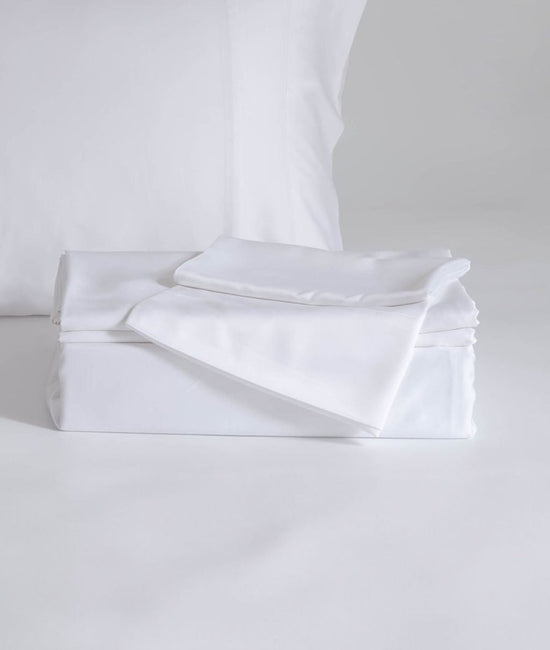
🌿 Bamboo Sheets
Soft, breathable, and moisture-wicking, Bamboo Sheets are one of the easiest ways to make fall bedding feel more comfortable.
They help create a cooler base layer under blankets, so your bed can still feel cozy without trapping too much heat near your skin.
🌿 Honey Hybrid Mattress
The Honey Hybrid is designed with breathable organic materials, GOLS organic latex, and individually pocketed coils to help reduce heat buildup while supporting spinal alignment and pressure relief.
That matters in fall because heavier bedding can make heat-trapping mattresses feel even warmer.
The Honey Hybrid is made without polyurethane foams, fiberglass, chemical flame retardants, glues, formaldehyde, or heavy metals.
It gives you the support and comfort you want without the stuck, hot feeling many sleepers dislike.
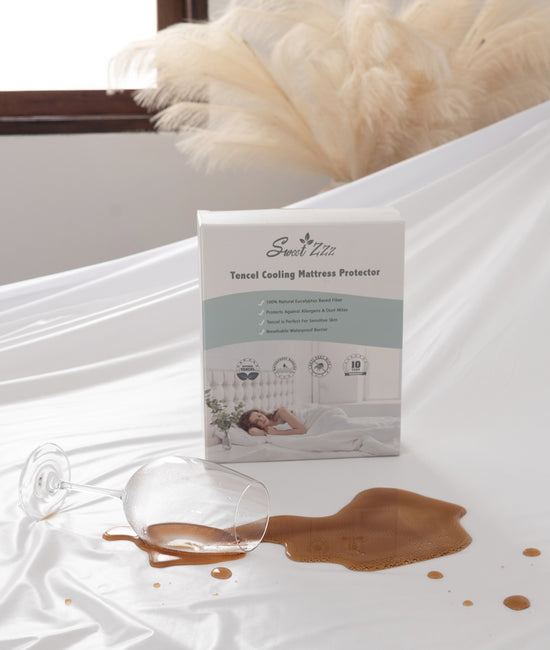
🌿 Cooling Tencel Mattress Protector
Helps protect your mattress from moisture, spills, and everyday buildup while keeping the sleep surface breathable and easier to maintain.
A protector should not make your bed feel sweaty or sealed off.
🌿 Plant-Based Pillow
Supports the head and neck while helping the top of your sleep setup stay comfortable.
If your body is already waking hot, you do not want your pillow adding more discomfort.
🌿 Adjustable Base
Helps you read, relax, elevate your head or legs, and use massage before sleep.
It can make your wind-down feel comfortable without needing to bury yourself under heavy blankets just to feel cozy.
A better fall setup should help you enjoy warmth without overheating.
That is the difference between cozy sleep and restless sleep.
Final Thoughts
Heavy fall bedding feels wonderful at first.
But if it traps too much heat, it can quietly ruin your night.
You may wake hot.
Kick off covers.
Get cold.
Pull them back.
Toss and turn.
Wake up tired.
The solution is not to give up on cozy bedding.
It is to make cozy bedding smarter.
Use breathable sheets.
Layer instead of relying on one heavy comforter.
Keep the room cool.
Choose lighter pajamas.
Watch your mattress protector.
Use targeted warmth for cold feet.
Try separate blankets if you share the bed.
Do not bring out winter bedding too early.
And make sure your mattress is breathable enough to work with heavier fall layers.
Fall sleep should feel warm, calm, and steady.
Not sweaty.
Not trapped.
Not a nightly battle with the blanket.
The right setup lets you enjoy the best part of fall bedding without waking up overheated underneath it.