
 800-811-7514
Is Your Child Getting Enough Sleep?
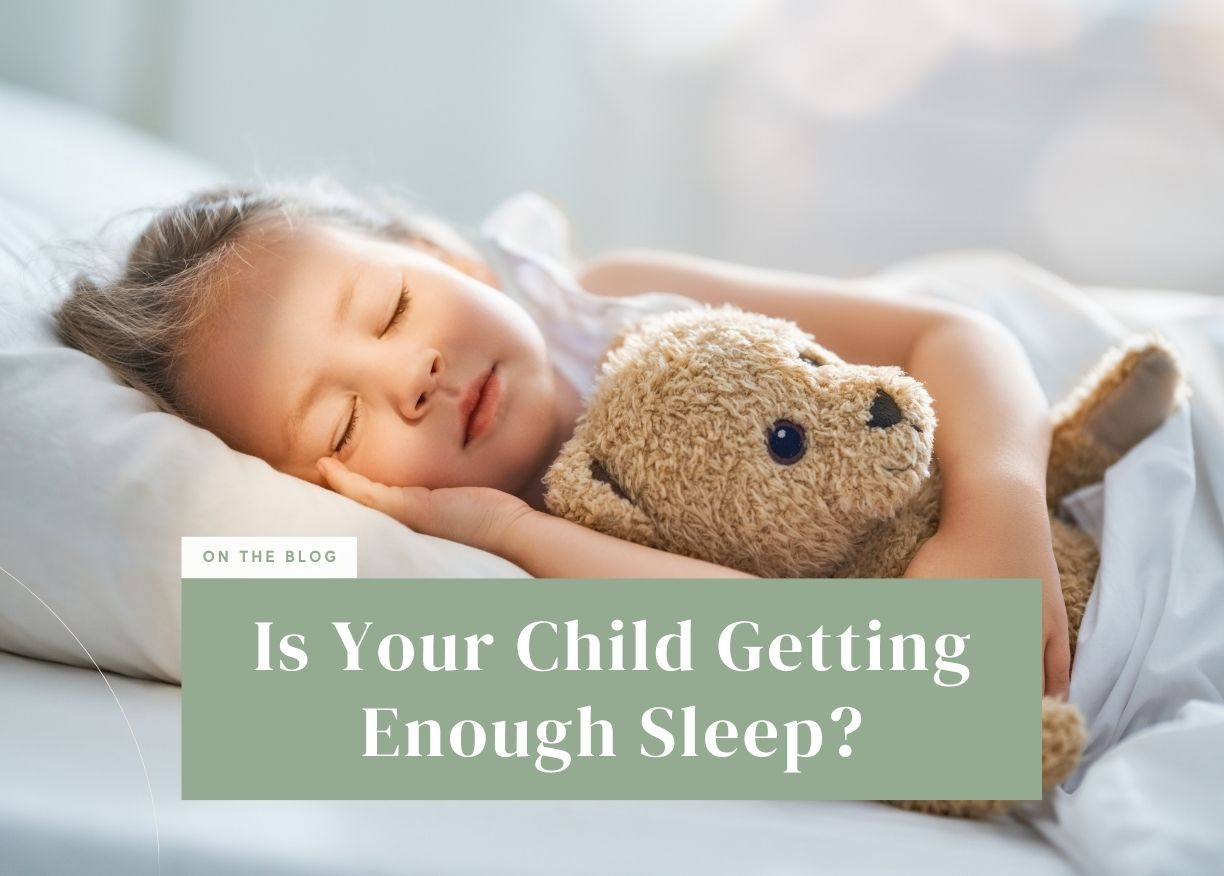

Bedtime comes, lights go off, and the house finally quiets down.
But then morning arrives—and your child wakes up cranky, groggy, or already tired before the day even begins.
As parents, we often wonder: is this just a phase—or is my child simply not getting enough sleep?
Why Sleep Matters So Much for Kids

For children, sleep isn’t just about rest. It’s when growth hormones are released, memories are consolidated, and emotional regulation takes shape. In fact, lack of sleep in kids has been linked to:
-
Mood swings and irritability
-
Trouble focusing in school
-
Weakened immune systems
-
Higher risk of obesity later in life
Simply put: sleep is a cornerstone of healthy development.
How Much Sleep Kids Really Need

The American Academy of Pediatrics offers these guidelines:
-
Preschoolers (3–5 years): 10–13 hours per night
-
School-age children (6–12 years): 9–12 hours per night
-
Teenagers (13–18 years): 8–10 hours per night
Yet studies show more than half of children regularly fall short.
Signs Your Child May Be Sleep-Deprived

It’s not always obvious. Kids don’t yawn their way through the day like adults. Instead, watch for:
-
Hyperactivity or acting “wired” at odd hours
-
Difficulty waking in the morning
-
Falling asleep quickly in the car
-
Declining grades or behavior changes at school
Sometimes, what looks like “bad behavior” is simply exhaustion in disguise.
Creating Healthier Sleep Habits

Helping kids get the rest they need often comes down to consistency and environment:
-
Set a consistent bedtime and wake time (yes, even on weekends).
-
Limit screens at least an hour before bed.
-
Keep bedrooms cool, dark, and quiet.
-
Establish a calming pre-bed routine: reading, warm bath, or quiet conversation.
How the Sleep Environment Helps
Just like adults, children sleep better when their space supports them:

🌿 Supportive Mattress: A bed that keeps the spine aligned reduces tossing and turning.
🌿 Breathable Bedding: Sheets that regulate temperature help kids fall asleep faster and stay asleep longer.
🌿 Healthy Materials: Non-toxic, natural options give peace of mind for parents and comfort for children.
The right setup doesn’t just help kids fall asleep—it helps them stay asleep, so they wake refreshed.
Final Thoughts
Sleep is as vital for children as food, play, and learning. Without it, their bodies and minds simply can’t grow as they should.
So the next time you wonder if your child’s crankiness is “just a phase,” ask yourself a simpler question: are they getting enough sleep?
Because the answer may be the key to a healthier, happier child—and a calmer household.