 800-811-7514
Is Your Headache From Lack of Sleep Or Something Else?

You wake up with a headache.
Not sharp.
Not alarming.
Just… there.
A dull pressure.
A heavy feeling behind your eyes.
A slow start to your day.
And you wonder:
Did I sleep wrong… or is something else going on?
The truth is, headaches are often tied to sleep—but not always in obvious ways.
How Sleep Affects Headaches

Sleep and headaches are closely connected.
Poor sleep can:
-
Increase sensitivity to pain
-
Affect blood flow in the brain
-
Raise stress hormones
-
Reduce recovery
Even one restless night can trigger a headache the next morning.
Signs Your Headache Is Sleep-Related
1. You Slept Poorly or Lightly
If your sleep was:
-
Interrupted
-
Too short
-
Restless
your body didn’t fully recover.
Morning headaches are common after low-quality sleep.
2. The Headache Is Dull and Widespread

Sleep-related headaches often feel like:
-
Pressure around the head
-
Tightness in the forehead or temples
-
A “heavy” feeling
Not sharp or localized.
3. You Feel Tired Along With It
If your headache comes with:
-
Brain fog
-
Low energy
-
Irritability
Sleep is likely a contributing factor.
4. You Notice Jaw or Neck Tension

Clenching your jaw or sleeping in a strained position can lead to:
-
Tension headaches
-
Neck stiffness
-
Pain that spreads upward
5. It Improves As the Day Goes On
Sleep-related headaches often ease with:
-
Movement
-
Hydration
-
Light activity
When It Might Be Something Else

Not all headaches are caused by sleep.
Look for these clues:
1. Dehydration
Even mild dehydration can cause headaches that feel similar to sleep-related ones.
2. Caffeine Withdrawal
If you delay or skip your usual caffeine intake, headaches can appear quickly.
3. Stress or Mental Tension
Ongoing stress often leads to muscle tension in the neck and shoulders
4. Sinus Pressure
Especially during seasonal changes or colds, sinus congestion can cause morning headaches.
5. Blood Sugar Drops
Going too long without eating—or eating late at night—can trigger headaches.
Why Sleep Position and Support Matter

Sometimes the issue isn’t how long you slept—but how your body was positioned.
Poor alignment can lead to:
-
Neck strain
-
Restricted blood flow
-
Muscle tension
Even small misalignment can show up as a morning headache.
How to Tell the Difference
Ask yourself:
-
Did I sleep well?
-
Do I feel physically tense?
-
Did I hydrate enough yesterday?
-
Am I stressed?
-
Did anything change in my routine?
Headaches are often multi-factor—not just one cause.
How to Reduce Sleep-Related Headaches
1. Improve Sleep Continuity
Fewer awakenings = better recovery.
2. Support Neck and Spine Alignment
Your pillow and mattress play a big role here.
3. Stay Hydrated
Especially in the evening.
4. Reduce Jaw Tension
Be mindful of clenching, especially during stress.
Supporting Better Sleep and Less Tension
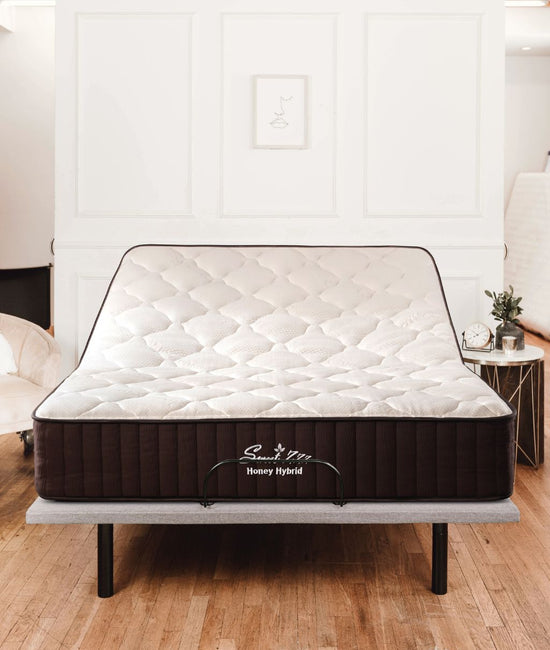
🌿 Honey Hybrid Organic Latex Mattress
Provides balanced support to reduce pressure points and body strain during sleep.
🌿 Supportive Pillow
Helps keep the neck aligned, reducing tension that leads to morning headaches.
🌿 Adjustable Base
Allows gentle elevation to relieve pressure and improve circulation.
When your body is properly supported, tension decreases—and so do many sleep-related headaches.
Final Thoughts
Not every headache is about sleep—but many are connected to it.
If your headaches show up after restless nights, poor positioning, or tension, your sleep may be part of the story.
Listen to the pattern.
Because sometimes the fix isn’t a pill.
It’s better rest.