 800-811-7514
Is Your Mattress Quietly Making You Toss and Turn?


You may not think your mattress is the problem.
After all, you still fall asleep.
You still spend hours in bed.
You still wake up in the morning.
You still tell yourself you “slept.”
But then you remember the night.
Turning over.
Kicking off the covers.
Pulling them back on.
Moving the pillow.
Shifting your hips.
Trying your side.
Then your back.
Then your other side.
You were asleep.
But not really settled.
That kind of restless sleep can be easy to ignore because it does not always feel dramatic.
You may not wake up fully.
You may not remember every movement.
But your body remembers.
And sometimes, the reason you keep tossing and turning is not stress, caffeine, or a bad habit.
Sometimes, it is the mattress.
Tossing and Turning Is a Signal

Moving during sleep is normal.
No one stays perfectly still all night.
Your body naturally shifts positions to stay comfortable, reduce pressure, and move through sleep stages.
But constant tossing and turning is different.
It can mean your body is struggling to find a position that feels right.
That struggle can come from many things:
-
Heat
-
Pain
-
Pressure
-
Poor support
-
Noise
-
Stress
-
Partner movement
-
Breathing issues
-
An old or sagging mattress
-
A pillow that throws off alignment
The key is not to panic after one restless night.
The key is to notice patterns.
If you are tossing and turning most nights, your sleep setup deserves attention.
Why You May Not Realize the Mattress Is the Problem

A bad mattress does not always announce itself.
It may not feel terrible the second you lie down.
In fact, it may feel fine for the first few minutes.
That is what makes it tricky.
A mattress can feel comfortable at 10 p.m. and still fail your body by 3 a.m.
Pressure builds slowly.
Heat builds slowly.
The lower back sinks slowly.
The shoulder gets irritated slowly.
The hips start to feel unsupported slowly.
Then your body starts moving.
Not because you want to move.
Because it is trying to escape discomfort.
Sleep Foundation notes that tossing and turning on an uncomfortable mattress can result in poor sleep quality, even when you are not consciously aware of the problem.
That is why the morning matters.
Your body may tell you the truth before your mind does.
1. Your Mattress May Be Creating Pressure Points

Pressure points are one of the biggest reasons people toss and turn.
They happen when certain areas of the body press too hard into the sleep surface.
For side sleepers, this usually means:
-
Shoulders
-
Hips
-
Knees
-
Arms
For back sleepers, it may show up around the lower back, tailbone, or shoulder blades.
For stomach sleepers, it may feel like strain across the lower back or ribs.
If pressure builds, the body shifts.
Then it shifts again.
Then again.
You may not wake fully each time, but those small interruptions can make sleep feel lighter and less refreshing.
A mattress with good pressure relief helps the heavier parts of the body settle without feeling crushed.
That is especially important if you wake up sore in the same areas every morning.
2. Your Mattress May Not Be Supporting Your Spine

Comfort is not only about softness.
Support matters just as much.
Your mattress should help your spine stay in a healthier, more relaxed position through the night.
If your hips sink too far, your lower back may strain.
If your shoulders cannot settle, your upper body may twist.
If the mattress is uneven or sagging, your muscles may stay active all night trying to stabilize you.
Sleep Foundation explains that comfort, pressure relief, and spinal alignment all play an important role in mattress choice, and that a pressure-relieving mattress that supports alignment may reduce the risk of sleep-related pain.
That is the goal.
Not just a mattress that feels good for five minutes.
A mattress that keeps your body supported for hours.
3. Your Mattress May Be Too Firm

A mattress that is too firm can make sleep feel restless, especially for side sleepers.
If your shoulder or hip cannot sink in enough, pressure builds quickly.
Your body then tries to solve the problem by moving.
You may wake up with:
-
Shoulder soreness
-
Hip pain
-
Arm numbness
-
Lower back tension
-
More position changes
-
A feeling that the bed is pushing against you
Firmness can feel supportive at first.
But too much firmness can prevent the body from relaxing.
You should not feel like you are lying on top of the mattress with no contouring.
Your body needs some give.
Especially around pressure points.
4. Your Mattress May Be Too Soft

A mattress that is too soft creates the opposite problem.
Instead of pressure, the issue is usually sinking.
If your hips drop too deeply, your spine can curve out of position.
If your lower back is not supported, your muscles may work all night.
If you feel stuck in the mattress, changing positions becomes harder.
That can lead to:
-
Lower back pain
-
Hip discomfort
-
Morning stiffness
-
A trapped feeling
-
More effort when turning over
-
Restless sleep
Softness can feel cozy at first.
But if the mattress does not hold your body in a stable position, your sleep may become less restful.
The right mattress should cushion you without swallowing you.
5. Your Mattress May Be Trapping Heat

Heat is another major reason people toss and turn.
When the bed gets too warm, your body reacts.
You kick off the covers.
Flip the pillow.
Move to a cooler spot.
Turn to the other side.
Wake up sticky or sweaty.
Even small temperature discomfort can fragment sleep.
Sleep Foundation notes that a higher core body temperature has been associated with less restorative slow-wave sleep and lower subjective sleep quality, while difficulty releasing heat has been linked with decreased sleep efficiency and more waking after falling asleep.
This is why mattress materials matter.
Some materials hold heat close to the body.
Others breathe better and allow heat to move away more easily.
If your bed feels warm even when the room is cool, your mattress or bedding may be part of the problem.
6. Your Mattress May Be Old or Sagging

A mattress does not need to look ruined to stop supporting you well.
Over time, materials can soften, compress, or lose structure.
You may notice:
-
Dips or body impressions
-
A sagging middle
-
Softer spots where you sleep
-
Rolling toward one area
-
Less edge support
-
More back or hip pain
-
Better sleep away from home
Sleep Foundation notes that once sagging, loss of shape, and discomfort happen, a mattress may no longer provide adequate spinal support and pressure relief.
This is one of the clearest signs that your mattress may be making you toss and turn.
Your body is trying to find support that the mattress no longer gives.
7. Motion Transfer May Be Waking You Up

If you share a bed, your partner’s movement can affect your sleep.
Maybe they turn over often.
Maybe they get up earlier.
Maybe they shift positions heavily.
Maybe one side of the mattress bounces when the other person moves.
You may not fully wake every time.
But your sleep can still become lighter.
A mattress with good motion isolation helps reduce the movement you feel from the other side of the bed.
This is especially helpful for couples, light sleepers, parents with kids occasionally climbing into bed, or anyone who wakes easily.
Sometimes the issue is not that you move too much.
It is that the bed makes every movement feel bigger.
8. Your Pillow May Be Making the Mattress Feel Worse

Your mattress may not be working alone.
Your pillow affects your head, neck, shoulders, and upper spine.
If your pillow is too high, your neck bends upward.
If it is too low, your head drops.
If it is flat or lumpy, your muscles may stay tense.
That tension can make the entire bed feel uncomfortable.
Side sleepers usually need enough pillow height to fill the space between the shoulder and head.
Back sleepers usually need moderate support.
Stomach sleepers often need a thinner pillow, though stomach sleeping can place more strain on the neck and lower back.
Before blaming the mattress completely, check whether your pillow is helping your body align or forcing you to adjust all night.
9. Your Sleep Position May Not Match Your Mattress

A mattress can be excellent and still not be right for your sleep position.
Side sleepers usually need more pressure relief.
Back sleepers usually need balanced support.
Stomach sleepers usually need firmer support.
Combination sleepers need responsiveness so movement feels easy.
If your mattress does not match how you actually sleep, tossing and turning becomes more likely.
You are not “bad at sleeping.”
Your body may simply be trying to find a position the mattress can support.
10. The Room Still Matters Too

Not all tossing and turning comes from the mattress.
Your bedroom environment can also disrupt sleep.
The CDC recommends keeping the bedroom quiet, relaxing, and at a cool temperature as part of healthy sleep habits.
If the room is too bright, loud, warm, dry, humid, or uncomfortable, your body may move more often.
Before replacing anything, look at the full sleep environment:
Is the room cool enough?
Are the sheets breathable?
Is there outside noise?
Is light entering the room?
Is the air stuffy?
Are allergens irritating you?
Is your pillow supportive?
Is your mattress still comfortable?
Sleep is rarely about one thing.
But the mattress is a big thing.
How to Tell If Your Mattress Is Causing the Tossing and Turning

Your mattress may be part of the problem if:
-
You toss and turn most nights
-
You wake up sore or stiff
-
You feel pressure in your shoulders or hips
-
Your lower back feels tight in the morning
-
You wake up hot even in a cool room
-
You sleep better in hotels or guest beds
-
Your mattress has dips or sagging
-
You feel stuck when changing positions
-
Your partner’s movement wakes you
-
You wake up tired despite enough hours in bed
One of the biggest clues is consistency.
If the same problems happen night after night, your body may be reacting to the same sleep surface.
Try This Simple Mattress Check

Tonight, pay attention before you fall asleep.
Do not overthink it.
Just notice.
Your Shoulders
Do they feel cushioned or compressed?
Your Hips
Do they feel supported or sinking?
Your Lower Back
Does it feel relaxed or tense?
Your Temperature
Does the bed feel comfortable or too warm?
Your Movement
Can you turn easily, or do you feel stuck?
Your Morning
Do you wake up better or worse than when you got into bed?
Your body gives feedback every night.
You just have to listen.
When Tossing and Turning May Be Something More

A mattress can cause restlessness, but it is not always the full answer.
Mayo Clinic lists symptoms of sleep disorders that can include trouble falling asleep, waking during the night, difficulty returning to sleep, breathing problems, and daytime sleepiness.
Talk to a healthcare professional if your restless sleep comes with:
-
Loud snoring
-
Gasping or choking
-
Breathing pauses
-
Severe daytime sleepiness
-
Morning headaches
-
Restless legs
-
Chronic pain
-
Anxiety or depression symptoms
-
Frequent reflux
-
Night sweats
-
Trouble functioning during the day
A better mattress can support comfort.
But medical sleep problems deserve medical attention.
What a Better Mattress Should Do

A better mattress should help your body settle.
It should reduce the need to keep adjusting.
It should offer:
-
Pressure relief
-
Spinal support
-
Breathability
-
Responsiveness
-
Motion isolation
-
Durable structure
-
The right firmness for your sleep position
You should not have to search for comfort all night.
The bed should meet your body where it is.
Why Latex Hybrid Construction Can Help

If tossing and turning comes from pressure, heat, or feeling stuck, mattress construction matters.
A latex hybrid mattress can help because it combines two important types of support.
Latex gives responsive comfort.
It cushions pressure without the slow, sinking feeling of some foams.
Pocketed coils provide deeper support and help the mattress respond to movement.
Together, they can help the body feel supported, comfortable, and easier to reposition.
That matters for restless sleepers.
Because when movement feels easy and pressure is reduced, the body has fewer reasons to keep searching for a better position.
The Sweet Zzz Setup for Restless Sleep
🌿 Honey Hybrid Mattress
Designed to support spinal alignment, relieve pressure, and help your body move naturally through the night.
The GOLS organic latex provides responsive comfort, while individually pocketed coils offer stable support and help reduce motion transfer.
It also comes in different firmness options so you can choose based on your sleep position:
Medium-Soft for side sleepers and pressure relief.
Medium-Firm for back sleepers, couples, and combination sleepers.
Firm for stomach sleepers and stronger support.
Honey Hybrid Plus for an extra firm 9 out of 10 feel.
The Honey Hybrid is made without polyurethane foams, fiberglass, chemical flame retardants, glues, formaldehyde, or heavy metals.
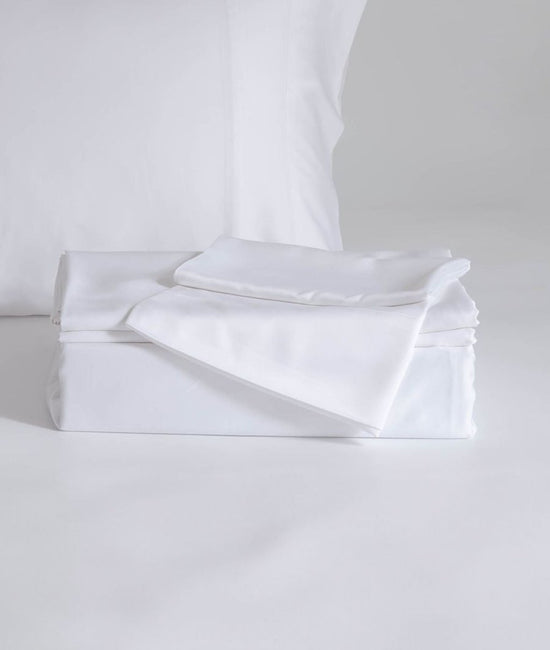
🌿 Bamboo Sheets
Soft, breathable, and moisture-wicking, Bamboo Sheets help reduce overheating and keep the sleep surface more comfortable through the night.
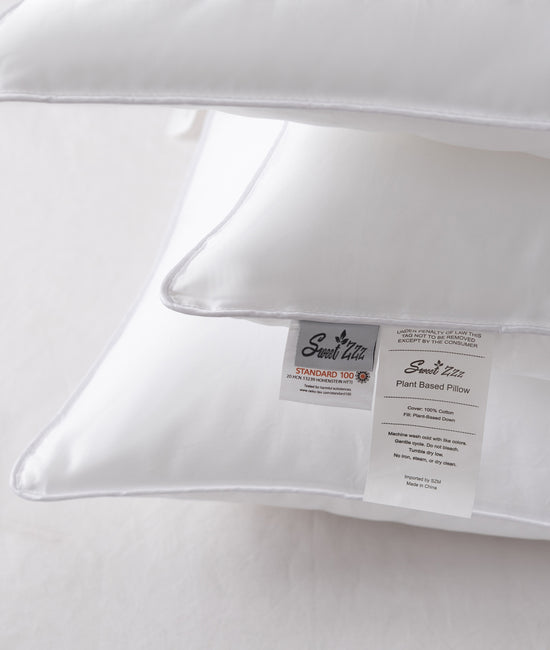
🌿 Plant-Based Pillow
Supports the head and neck so your upper body can relax into better alignment instead of creating tension.
🌿 Organic Latex Topper
If your current mattress is supportive but feels too firm, the topper can add a softer pressure-relieving layer without replacing the whole bed.
🌿 Adjustable Base
Helps you elevate your head or legs, reduce pressure, read comfortably, and relax before sleep with massage.
For some restless sleepers, a small change in position can make the whole night feel calmer.
Final Thoughts
Tossing and turning is not always random.
Sometimes it is your body trying to solve a problem.
Too much pressure.
Too much heat.
Too little support.
Too much motion.
A pillow that throws off alignment.
A mattress that has lost its shape.
One restless night is normal.
But if you keep waking up tired, sore, hot, or frustrated, your mattress may be quietly working against you.
The right mattress should not make your body search for comfort all night.
It should help your body settle.
Because deep sleep is easier to find when your bed finally stops giving you reasons to move.