 800-811-7514
Sleep Apnea Symptoms You Shouldn’t Ignore
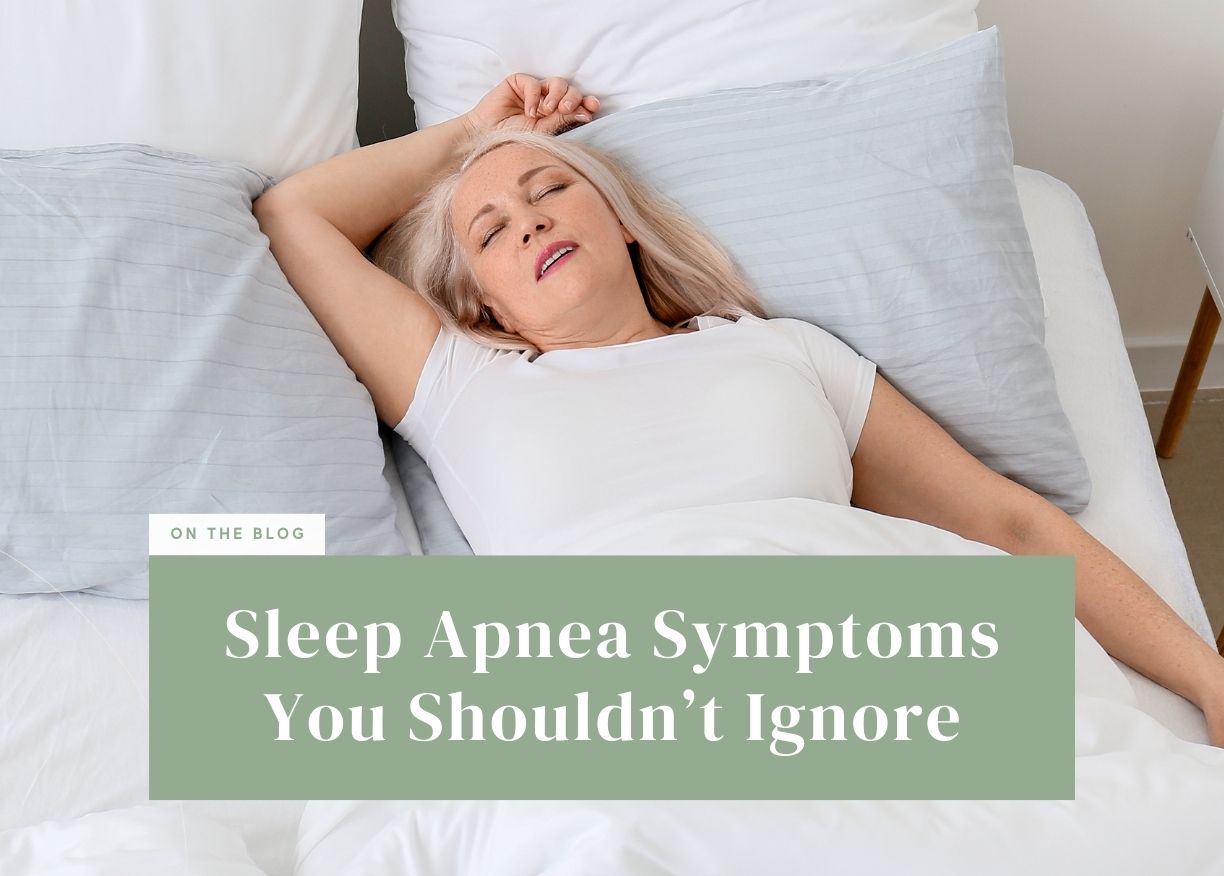

It usually starts quietly.
A snore here, a restless night there.
You tell yourself it’s nothing—just stress, or maybe you’re getting older.
But then you wake up with a dry mouth.
Or a pounding headache.
Or worse: you feel exhausted no matter how long you’ve slept.
That’s when it’s time to ask the harder question:
Could it be sleep apnea?
What Sleep Apnea Really Is

Sleep apnea isn’t just “loud snoring.” It’s a disorder where breathing repeatedly stops and starts during the night. Each pause—sometimes lasting 10 seconds or more—shocks your body awake just enough to restart breathing.
The danger is that you rarely remember it happening. You only feel the aftermath: fatigue, fog, and health problems that creep up over time.
Symptoms You Might Be Overlooking
Because sleep apnea happens while you’re unconscious, spotting it can be tricky. But your body often leaves clues:
-
Loud, chronic snoring (especially paired with gasping or choking sounds).

-
Morning headaches caused by low oxygen levels overnight.

-
Dry mouth or sore throat upon waking.

-
Daytime fatigue that doesn’t improve, even with “enough” hours in bed.

-
Difficulty concentrating or memory lapses.

-
Mood changes like irritability or depression.

-
High blood pressure or heart palpitations noticed during check-ups.

If a partner tells you they’ve seen you stop breathing for moments at a time, that’s one of the strongest warning signs.
Why Ignoring It Is Dangerous

Sleep apnea doesn’t just make you tired—it stresses your entire system. Oxygen drops, blood pressure spikes, and your heart works overtime. Left untreated, it raises the risk of:
-
Heart disease
-
Stroke
-
Type 2 diabetes
-
Cognitive decline
This is why doctors emphasize: it’s not just about snoring. It’s about protecting long-term health.
When to See a Doctor
If these symptoms sound familiar, it’s worth a sleep study. Many people find out only after years of unexplained exhaustion. The earlier you get tested, the sooner you can treat it—often with CPAP therapy, oral devices, or lifestyle changes.
Building a Better Sleep Environment

Medical treatment is key, but creating a healthier sleep space makes recovery easier too.
A supportive, breathable mattress like the Honey Hybrid Organic Mattress helps keep airways open by aligning your head, neck, and spine naturally.
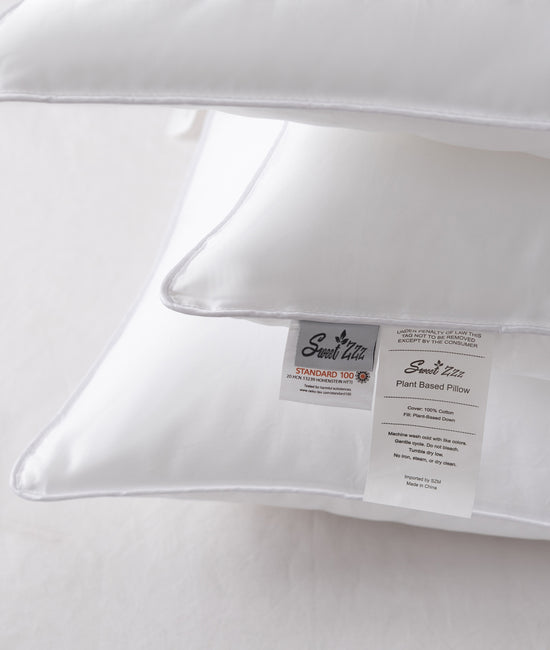
🌿 Pair it with a plant-based pillow that supports proper posture instead of collapsing under weight.
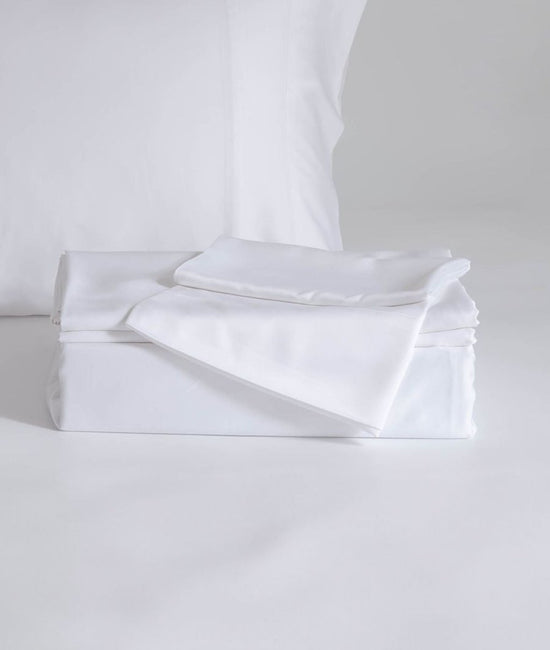
🌿 And cooling bamboo sheets regulate temperature—important since overheating can worsen apnea symptoms.
Together, these changes make your nights more restful and your treatment more effective.
Final Thoughts
Sleep apnea hides in plain sight. What seems like “just snoring” can actually be a serious condition undermining your health and quality of life.
Pay attention to the signals your body—and sometimes your partner—gives you.
Because ignoring them doesn’t make them disappear.
Tonight, as you settle in, ask yourself: am I just tired… or is my body trying to tell me more?