 800-811-7514
Sleep Paralysis: Why You Wake Up… But Can’t Move


You wake up.
Your eyes are open.
You’re aware of the room.
But something feels wrong.
You try to move…
and you can’t.
For a few seconds—or longer—you’re stuck.
Sometimes there’s pressure on your chest.
Sometimes it feels like someone is in the room.
It can be intense.
Even frightening.
So what is happening?
What Is Sleep Paralysis?

Sleep paralysis is a temporary state where:
👉 Your mind wakes up
👉 But your body is still “asleep”
During sleep, your body naturally shuts down muscle movement to prevent you from acting out dreams.
This is normal.
But sometimes, your awareness returns before that paralysis wears off.
Why It Feels So Real

During this state:
-
Your brain is active
-
Your body is immobile
-
You may still be partially dreaming
This can lead to:
-
Sensations of pressure
-
Vivid imagery or sounds
-
A strong feeling of presence
Even though nothing is physically there, it feels completely real.
How Long Does It Last?

Usually:
👉 A few seconds to a couple of minutes
It ends on its own once your body and brain fully reconnect.
Why It Happens

Sleep paralysis often appears when your sleep cycle is disrupted.
Common triggers include:
1. Irregular Sleep Schedule
Going to bed and waking up at inconsistent times can confuse your sleep stages.
2. Poor Sleep Quality
Interrupted or light sleep increases the chances of misalignment between body and mind.
3. Stress and Mental Fatigue
Higher stress levels can make your brain more active during sleep transitions.
4. Sleeping on Your Back
This position is more commonly associated with episodes.
5. Sleep Deprivation
Lack of sleep can increase the likelihood of unusual sleep states.
Is Sleep Paralysis Dangerous?

No.
It may feel intense—but it’s not harmful.
Your body is doing something normal—just slightly out of sync.
What To Do If It Happens

The most important thing:
👉 Stay calm
Easier said than done—but helpful.
You can try:
-
Focusing on slow breathing
-
Attempting small movements (like fingers or toes)
-
Reminding yourself it will pass
The more relaxed you stay, the faster it usually ends.
How to Reduce the Chances of It Happening

1. Keep a Consistent Sleep Schedule
Stability helps prevent misalignment.
2. Improve Sleep Quality
Deeper sleep reduces interruptions between stages.
3. Manage Stress
Calmer nights lead to smoother transitions.
4. Try Different Sleep Positions
Side sleeping may reduce frequency.
Why Your Sleep Setup Still Matters
Sleep paralysis often happens during disrupted sleep.
Reducing those disruptions helps.
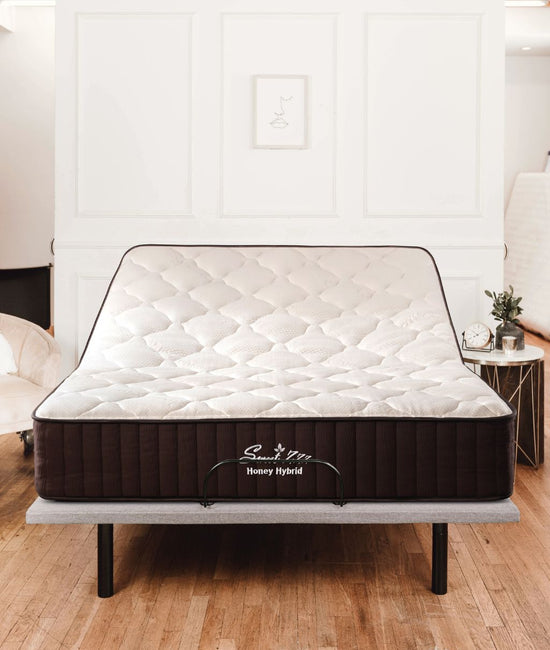
Honey Hybrid Mattress
Supports stable, uninterrupted sleep—reducing sudden awakenings.
Bamboo Sheets
Help regulate temperature, preventing discomfort that can trigger wake-ups.
Adjustable Base
Allows positioning that may reduce pressure and improve comfort during sleep.
Better sleep continuity = fewer disruptions.
Final Thoughts
Sleep paralysis feels intense—but it’s not dangerous.
It’s simply your body and mind waking up at different times.
Once you understand what’s happening, it becomes much less frightening.
And with better sleep habits, it often becomes less frequent.
Because even when it feels out of control…
your body is still doing exactly what it’s designed to do.