 800-811-7514
The Easy Sleep Solution That Can Help Reduce Acid Reflux


You finally get comfortable.
The lights are off.
The room is quiet.
Your body is tired.
But then it starts.
That burning feeling.
The sour taste.
The pressure in your chest or throat.
Acid reflux has a way of showing up at the worst possible time:
Right when you’re trying to sleep.
And once it starts, it can turn the whole night into a cycle of waking, adjusting, swallowing, coughing, and trying to get comfortable again.
The frustrating part?
Sometimes the solution is not complicated.
Sometimes, the first step is simply changing your sleep position.
Why Acid Reflux Often Feels Worse at Night

During the day, gravity helps keep stomach acid where it belongs.
You’re standing.
You’re sitting.
You’re moving around.
But when you lie flat, gravity is no longer helping as much.
That can make it easier for stomach acid to move back up into the esophagus, especially after a large meal or eating too close to bedtime.
Mayo Clinic includes elevating the head of the bed and not lying down after a meal among lifestyle steps that may help with GERD symptoms.
The Problem With Lying Completely Flat

When you sleep flat, your stomach and esophagus are closer to the same level.
For some people, that position makes reflux more likely to happen.
This can lead to:
-
Burning in the chest
-
Sour or bitter taste
-
Coughing
-
Throat irritation
-
Waking up suddenly
-
Trouble falling back asleep
And when reflux interrupts sleep again and again, you may wake up feeling exhausted even if you were in bed for enough hours.
Why Stacking Pillows Usually Isn’t Enough

Many people try to solve reflux by stacking pillows.
It makes sense.
You feel burning, so you raise your head.
But stacking pillows often creates a sharp bend at the neck or upper back instead of raising the entire upper body.
That can lead to:
-
Neck strain
-
Shoulder tension
-
Poor spinal alignment
-
Sliding down during the night
-
Pressure around the stomach
Mayo Clinic notes that raising the head with additional pillows usually is not effective, and recommends elevating the body from the waist up when nighttime heartburn is a problem.
That’s the key difference.
For reflux, the goal is not just to lift your head.
The goal is to gently elevate your upper body.
The Easy Solution: Elevate Your Upper Body

A slight incline can help gravity work in your favor.
When your upper body is raised, it may be harder for stomach acid to move upward while you sleep.
This does not mean sitting straight up.
And it does not mean sleeping uncomfortably.
It means creating a smooth, gentle incline that supports your body naturally.
This is where an adjustable base can make a major difference.
Why an Adjustable Base Works Better

An adjustable base lifts the mattress itself.
Instead of bending your neck around a pile of pillows, your entire upper body rises together.
That creates a more natural position for:
-
Acid reflux
-
Snoring
-
Breathing comfort
-
Reading before bed
-
Watching TV
-
Back pressure relief
-
General relaxation
The Sweet Zzz Adjustable Base lets you raise your head and upper body with the touch of a button, so you can find the exact angle that feels comfortable.
No pillow towers.
No sliding down.
No awkward neck bend.
Just smooth elevation.
Timing Your Meals Helps Too

Position matters, but timing matters as well.
If reflux bothers you at night, eating too close to bedtime can make symptoms worse.
The National Institute of Diabetes and Digestive and Kidney Diseases says that for people with GERD symptoms at night or when lying down, eating meals at least 3 hours before lying down or going to bed may improve symptoms.
That small change can be powerful.
Dinner does not need to be perfect.
But giving your body more time to digest before lying down can make sleep feel much easier.
Watch Your Personal Triggers

Not everyone has the same reflux triggers.
For some people, it’s spicy food.
For others, it may be:
-
Tomato sauce
-
Citrus
-
Chocolate
-
Fried foods
-
Peppermint
-
Coffee
-
Large meals
-
Carbonated drinks
The best way to know is to pay attention.
If reflux happens after certain meals, write it down.
Patterns are easier to fix once you can see them.
Left-Side Sleeping May Help Some People

Sleep position can also matter.
Mayo Clinic recommends starting on your left side when you go to bed because it may make reflux less likely.
That does not mean everyone must sleep on the left side all night.
But if reflux is a recurring issue, it may be worth trying.
Especially when combined with upper-body elevation.
When Acid Reflux Shouldn’t Be Ignored

Occasional reflux happens to many people.
But frequent reflux is different.
If you regularly have heartburn, choking, coughing at night, trouble swallowing, chest pain, unexplained weight loss, vomiting, or symptoms that keep returning, it is important to talk to a doctor.
Reflux can be manageable, but persistent symptoms should not be treated like a normal inconvenience.
And chest pain should always be taken seriously, especially if it is new, severe, or comes with shortness of breath, sweating, or pain spreading to the arm, jaw, or back.
The Better Sleep Setup for Reflux
If reflux is disrupting your sleep, your bedroom setup should help your body stay comfortable and properly positioned.
This is the main solution. It allows you to gently elevate your upper body, helping you avoid lying completely flat while keeping your body supported. It is a cleaner, more comfortable alternative to stacking pillows.
Works with the adjustable base while providing balanced support and pressure relief, so your body can stay comfortable even when slightly elevated.
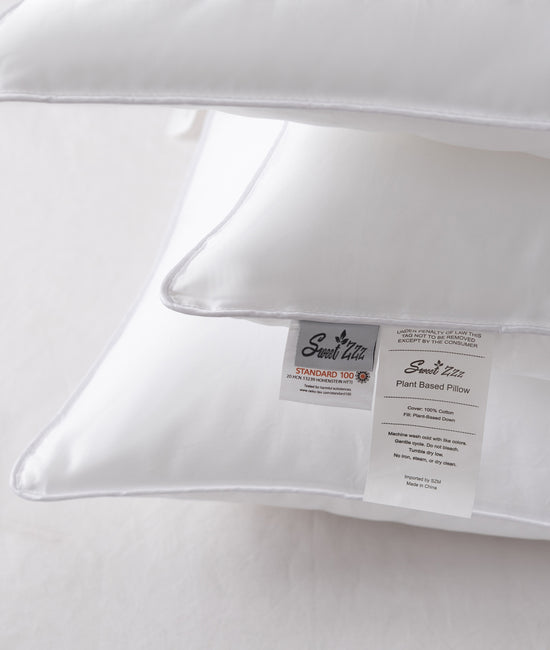
Supports your neck properly once your body is in the right position. The pillow supports alignment, while the adjustable base handles elevation.
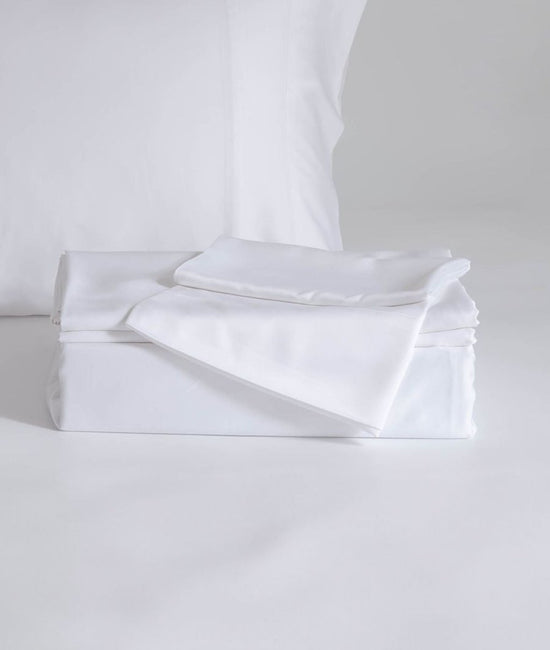
Soft, breathable, and moisture-wicking, they help keep you cool and comfortable during the night, especially if reflux episodes already make sleep feel restless.
Together, they create a sleep setup that supports comfort, alignment, and better positioning.
Final Thoughts
Acid reflux can make sleep feel impossible.
But sometimes, the first solution is simple:
Stop sleeping flat.
Instead of stacking pillows and forcing your neck into an awkward angle, elevate your upper body smoothly and comfortably.
Give your body time to digest before bed.
Notice your triggers.
Try a better sleep position.
And if symptoms are frequent or serious, talk to a doctor.
Because better sleep is not just about closing your eyes.
It’s about giving your body the position it needs to finally rest.