 800-811-7514
What Actually Makes a Mattress “Comfortable”?

Most people describe a mattress as either:
“Comfortable”…
or “not.”
But what does that actually mean?
Is it softness?
Firmness?
Price?
The truth is:
Comfort isn’t just about how a mattress feels at first.
It’s about how your body responds to it over time.
Comfort Isn’t One Thing—It’s a Combination
A truly comfortable mattress balances:
-
Support
-
Pressure relief
-
Alignment
-
Temperature
-
Responsiveness
If even one of these is off, your sleep can feel “fine”… but not fully restorative.
1. Proper Support (The Foundation of Comfort)

Support keeps your spine aligned.
Without it:
-
Your lower back may sink
-
Your hips may dip unevenly
-
Your muscles stay slightly active
This leads to:
-
Tension
-
Stiffness
-
Light sleep
Support doesn’t mean hard—it means stable.
2. Pressure Relief (What You Feel First)

Pressure points build where your body presses into the mattress:
-
Shoulders
-
Hips
-
Lower back
If pressure isn’t relieved:
-
You shift positions more often
-
Blood flow is reduced
-
Sleep becomes fragmented
Good pressure relief lets your body relax without constant movement.
3. Spinal Alignment (What Your Body Needs Long-Term)

Comfort that feels good for 5 minutes isn’t enough.
Your spine should stay:
-
Neutral
-
Supported
-
Evenly aligned
If not, your body compensates throughout the night—even if you don’t wake up.
4. Temperature Regulation (Often Overlooked)

A mattress can feel soft and supportive—but still disrupt sleep if it traps heat.
Overheating leads to:
-
Tossing and turning
-
Frequent wake-ups
-
Reduced deep sleep
Breathability is a key part of real comfort.
5. Responsiveness (Ease of Movement)

A good mattress should respond to your movements—not trap you.
If it’s too slow or too dense:
-
Changing positions becomes harder
-
You feel “stuck”
-
Movement disrupts sleep
Responsiveness helps your body adjust naturally.
Why “Soft vs Firm” Is the Wrong Question

People often ask:
“Is this mattress soft or firm?”
But that’s only part of the picture.
A mattress can be:
-
Soft but unsupportive
-
Firm but uncomfortable
-
Balanced and truly comfortable
The goal isn’t a category.
It’s a combination that works for your body.
Why Comfort Changes Over Time
A mattress may feel great at first—but comfort can change as:
-
Materials break down
-
Support weakens
-
Pressure points develop
-
Heat retention increases
That’s why long-term comfort matters more than first impressions.
How to Know If Your Mattress Is Truly Comfortable

Ask yourself:
-
Do I wake up refreshed?
-
Do I feel supported in all positions?
-
Do I move less during the night?
-
Do I avoid waking up sore or stiff?
If the answer is no, something is missing.
Why Balance Is What Actually Works
The most comfortable mattresses aren’t extreme.
They balance:
-
Support + softness
-
Stability + responsiveness
-
Comfort + airflow
That balance is what your body responds to.
Supporting True, Long-Term Comfort
Honey Mattress
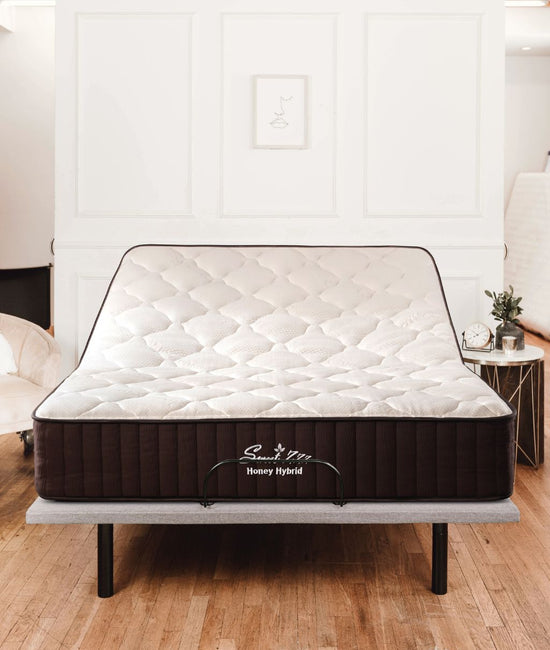
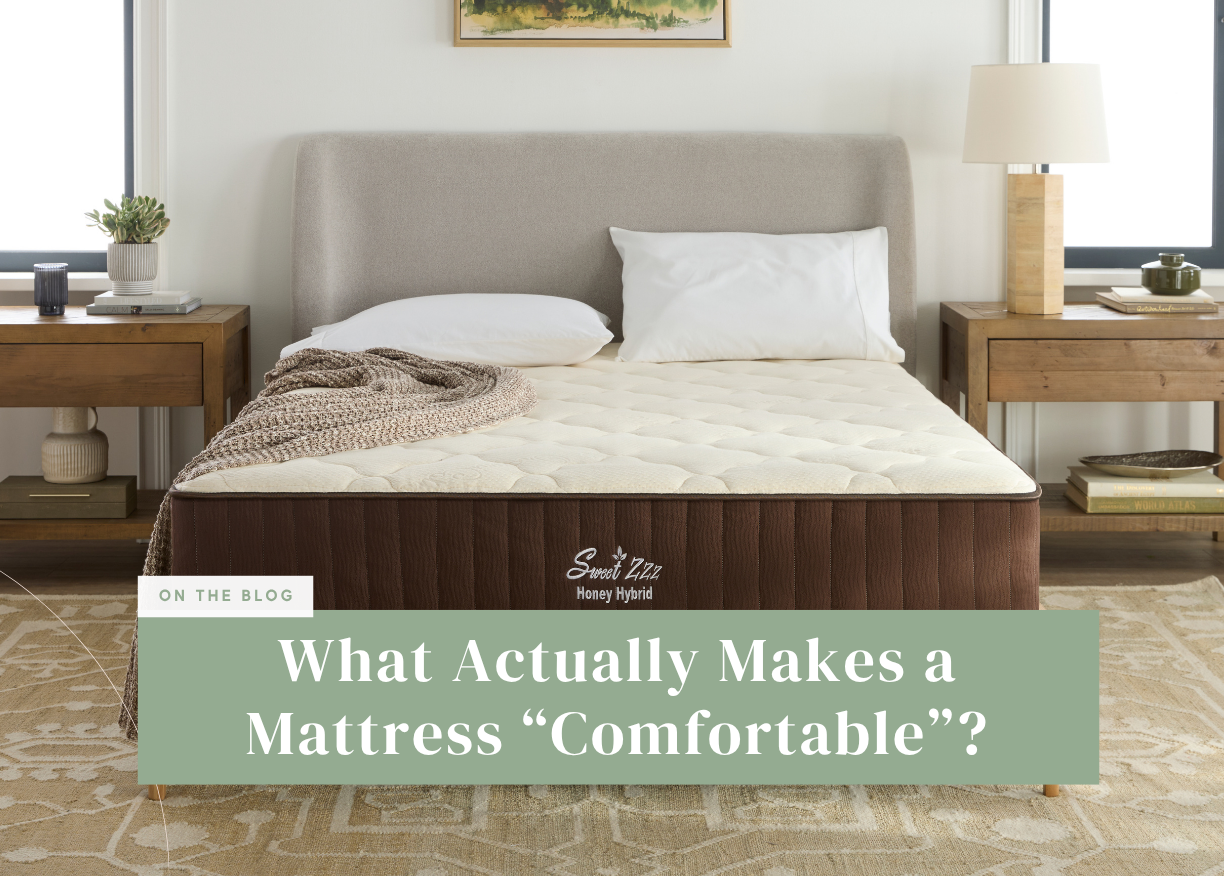
Combines responsive latex with supportive coils—balancing pressure relief, alignment, and airflow.
Bamboo Sheets
Enhance comfort by regulating temperature and reducing moisture buildup.
Adjustable Base
Allows you to fine-tune your position for maximum comfort and support.
Comfort isn’t one feature—it’s how everything works together.
Final Thoughts
A comfortable mattress isn’t just about how it feels when you lie down.
It’s about how your body feels after 7–8 hours on it.
True comfort:
-
Supports you
-
Relieves pressure
-
Keeps you cool
-
Lets you move naturally
And when all of that comes together…
sleep feels effortless.