
 800-811-7514
What Does “Normal” Breathing Look Like During Sleep?
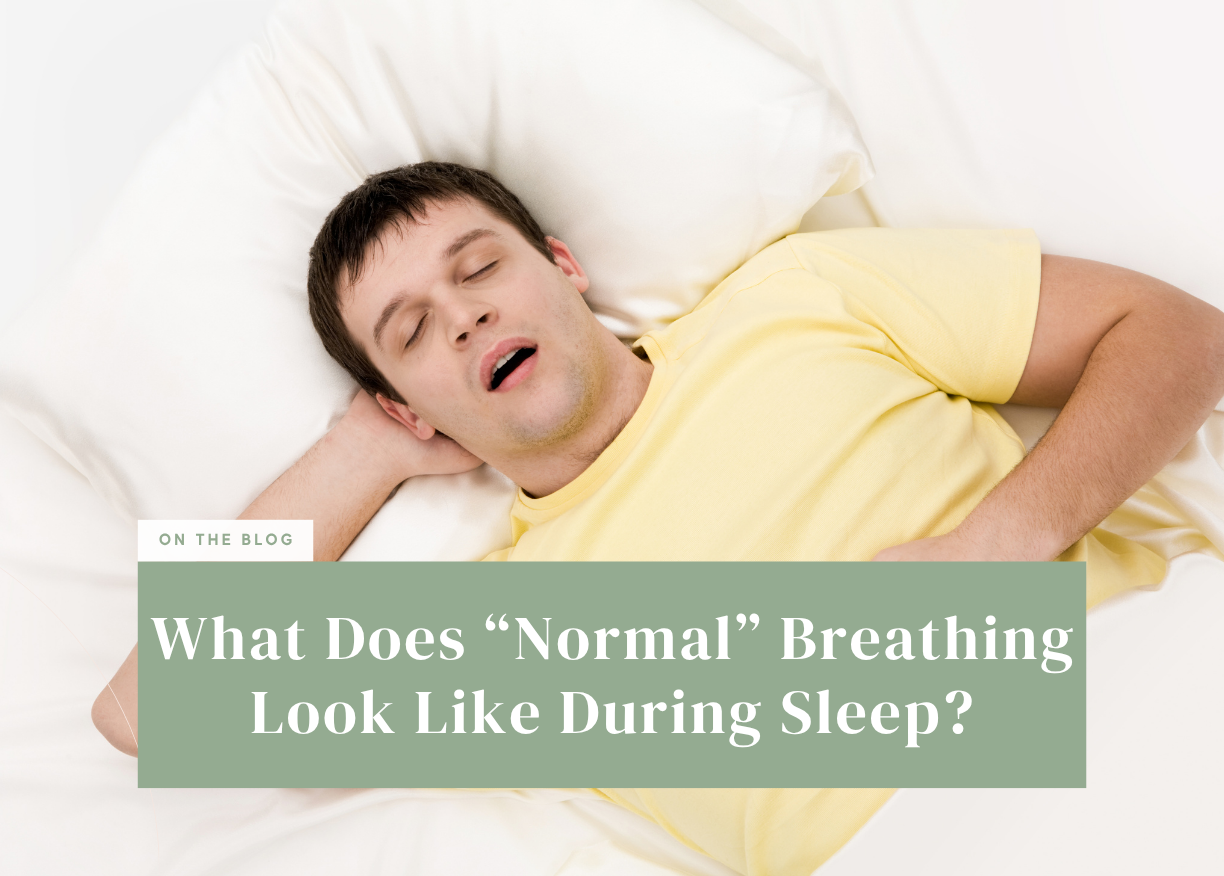

Most people never think about how they breathe at night.
You go to sleep…
and assume your body takes care of the rest.
But breathing during sleep isn’t just automatic—it’s critical.
It affects:
-
Oxygen levels
-
Heart rate
-
Brain recovery
-
Sleep depth
So what does normal nighttime breathing actually look like?
First: Breathing Should Be Quiet and Effortless

Healthy sleep breathing is simple.
It should be:
-
Quiet
-
Steady
-
Rhythmic
-
Through the nose
-
Effortless
If your breathing is loud, irregular, or labored, your body may be working harder than it should.
Nose Breathing vs. Mouth Breathing

Nose Breathing (Ideal)
Breathing through your nose:
-
Filters air
-
Regulates airflow
-
Supports oxygen exchange
-
Helps maintain stable breathing patterns
This is how your body is designed to breathe during sleep.
Mouth Breathing (Common, but Not Ideal)
Mouth breathing can lead to:
-
Dry mouth
-
Snoring
-
Lighter sleep
-
Increased airway instability
It’s often a sign that nasal breathing is restricted.
What a Healthy Breathing Pattern Looks Like

During normal sleep:
-
Breaths are smooth and consistent
-
There are no long pauses
-
The chest and diaphragm move naturally
-
You don’t wake up gasping or adjusting
Your breathing should fade into the background—not demand attention.
Subtle Signs Your Breathing May Be Off

Not all issues are obvious.
Watch for:
-
Snoring (even mild)
-
Waking with dry mouth
-
Morning headaches
-
Feeling unrefreshed after sleep
-
Frequent nighttime awakenings
-
Restless sleep
These can signal that breathing isn’t fully stable.
Why Breathing Matters for Sleep Quality
Even small disruptions in breathing can:
-
Lower oxygen levels
-
Increase stress hormones
-
Interrupt deep sleep
-
Fragment REM sleep
You may still sleep 7–8 hours—but feel like you didn’t rest.
When Breathing Becomes a Bigger Concern

Conditions like sleep apnea involve:
-
Repeated breathing pauses
-
Drops in oxygen
-
Frequent micro-awakenings
But many people experience milder breathing disruptions without realizing it.
What Affects Nighttime Breathing
1. Sleep Position
Lying flat or on your back can make the airway more likely to collapse
2. Neck and Head Alignment
Poor alignment can restrict airflow.
3. Nasal Congestion
Even slight blockage can push you toward mouth breathing.
4. Body Weight and Structure
These can influence airway stability.
How to Support Better Breathing During Sleep

1. Elevate Your Upper Body Slightly
This helps keep the airway more open.
2. Support Proper Alignment
Your head, neck, and spine should stay neutral.
3. Encourage Nasal Breathing
Address congestion and avoid drying environments.
4. Reduce Alcohol Before Bed
Alcohol relaxes airway muscles, increasing breathing instability.
Why Your Sleep Setup Plays a Role
Breathing isn’t just about your lungs—it’s about your position and support.
🌿 Adjustable Base
Allows gentle head elevation, helping keep airways more open and reducing snoring or mild breathing resistance.
🌿 Honey Hybrid Mattress
Provides stable support so your body doesn’t sink into positions that restrict airflow.
🌿 Supportive Pillow
Keeps your neck aligned, which helps maintain a clear breathing pathway.
Small adjustments can make breathing smoother—and sleep deeper.
Final Thoughts
Normal breathing during sleep should be something you never notice.
Quiet.
Effortless.
Stable.
If your breathing becomes noticeable—through snoring, dryness, or restlessness—it’s worth paying attention.
Because how you breathe at night shapes how you feel the next day.