

 800-811-7514
What Is the Best Mattress for Back Pain? A Complete Guide by Sleep Experts
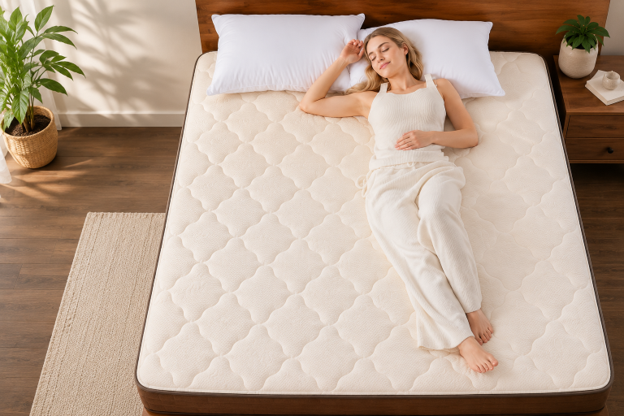
The best mattress for back pain is usually a medium-firm hybrid built with organic latex over a supportive coil system, since this combination keeps the spine aligned while easing pressure at the hips and shoulders. Back pain affects millions of people, and a worn-out or poorly built sleep surface is often the real reason mornings start with stiffness instead of rest.
This guide breaks down what actually makes a mattress supportive, which types tend to work best, and how a few key materials can change the way your back feels every single morning.
What Is the Best Mattress for Back Pain?
A mattress helps with back pain when it keeps the spine in a neutral position, no matter how a person sleeps. Side sleepers need enough give at the shoulders and hips, while back and stomach sleepers need a firmer surface that stops the lower spine from sagging.
What is the best mattress for back pain really comes down to a surface that adjusts to body weight without collapsing under it. Consistent support matters more here than firmness level alone, and that's something a lot of shoppers overlook until they're already dealing with a bad back.
Key Factors That Determine Spinal Support
A handful of details separate a mattress that genuinely helps the back from one that just feels comfortable for the first few weeks.
- Support core strength, since a weak base leads to sagging within a year or two.
- Pressure distribution, which keeps weight from concentrating around the hips and shoulders.
- Airflow and temperature, because overheating causes restless shifting during the night.
- Verified certifications, since organic or low-emission labeling confirms safer materials.
- Edge stability, useful for anyone who sits on the mattress edge regularly.
What Type of Mattress Is Best for Back Pain?
What type of mattress is best for back pain depends heavily on how the layers work together, rather than any single material doing all the work. Hybrid mattresses that pair organic latex with a coil support system tend to perform well here, since the latex cushions pressure points while the coils keep the spine from sinking too far.
Pure memory foam often traps heat and can feel too soft for stomach or back sleepers. A fully firm innerspring mattress, on the other hand, may not relieve enough pressure for side sleepers already dealing with shoulder pain.
Are There Specific Mattresses That Help With Back Pain?
Are there specific mattresses that help with back pain, or is that mostly marketing talk? Genuine spinal support tends to come from mattresses built with organic latex, since the material responds gradually to body weight instead of sinking sharply the way cheaper foam often does.
That gradual response keeps the spine straighter through the night and cuts down on the small shifts that lead to morning stiffness. A hybrid design that blends organic latex with a supportive coil layer usually addresses both softness and structural stability at once, which is probably why it keeps coming up in conversations about spinal health.
What Is the Best Mattress for Lower Back Pain?
What is the best mattress for lower back pain usually points to something in the medium-firm range, since this keeps the hips from sinking too deeply while still cushioning the lumbar curve.
A mattress with a firm support core and a responsive comfort layer stops the lower spine from bowing, and that bowing is one of the most common causes of morning back pain in the first place. Sleep position changes this slightly, since side sleepers typically need a touch more softness than someone who sleeps on their back or stomach.
Mattress Types Compared for Back Pain Relief
|
Mattress Type |
Support Level |
Pressure Relief |
Best Suited For |
|
Innerspring |
Firm |
Moderate |
Back and stomach sleepers |
|
Memory Foam |
Soft to Medium |
High |
Side sleepers, though heat retention is common |
|
Organic Latex Hybrid |
Medium-Firm |
High |
Most sleep positions, including lower back pain |
|
All-Foam |
Soft |
High |
Lighter body weights |
Signs Your Current Mattress Is Hurting Your Back
A mattress that once felt fine can quietly turn into the source of ongoing pain, and most people don't notice until the discomfort becomes routine. Waking up stiff and needing an hour or more to loosen up is one of the clearest signals that something has changed. Visible sagging or a dip in the middle of the bed points to a support core that has already broken down. Feeling more comfortable on a couch, a guest bed, or even a hotel mattress than at home is another sign worth paying attention to, since it usually means your own mattress has stopped doing its job.
Why Material Quality Affects Spinal Health
Cheaper fillers and low-density foam break down fast, often losing their shape within just a couple of years of regular use. Organic latex holds its structure far longer, which means the support a mattress offers on day one stays fairly close to what it still offers years later. Certifications add another layer of confidence here.
GOLS certification verifies certified organic latex and provides traceability through the certified supply chain, while GREENGUARD Gold certification verifies low chemical emissions, supporting cleaner air in the bedroom during sleep.
Temperature plays a role too, since overheating during the night is one of the quieter reasons people wake up shifting positions and putting strain on the back. Breathable, natural bedding layers like bamboo sheets can help regulate warmth around the mattress surface, which keeps sleep steadier and reduces the tossing that often aggravates a sore lower back.

How the Sweet Zzz Honey Hybrid Supports a Healthier Back
Sweet Zzz has spent over thirteen years focused on making organic, comfortable sleep accessible without a premium price tag attached. The Honey Hybrid mattress is handcrafted with GOLS-certified organic latex, verified from the rubber trees through to the finished layer, and it meets GREENGUARD Gold standards for low chemical emissions.

The design was shaped in partnership with chiropractors who understand spinal alignment, muscle recovery, and safe rest, and that's part of why it holds a reputation as one of the more widely recommended organic mattresses for back support. For added relief, the adjustable base allows for head and foot elevation, giving the lower back an extra layer of positioning support.

Quick Tips Before You Buy
A few practical habits make the search for a supportive mattress far less overwhelming.
- Give a new mattress at least a few weeks before judging its effect on back pain.
- Pay closer attention to how your lower back feels upon waking than to general comfort alone.
- Look for verified certifications rather than relying on vague marketing claims.
- Consider pairing a supportive mattress with an adjustable base for extra lumbar relief.
- Check the warranty terms before buying, since a longer coverage period usually reflects confidence in the build quality.
Conclusion
Choosing the best mattress for back pain is about more than firmness alone. The right combination of spinal support, pressure relief, and durable materials can make a noticeable difference in how you feel each morning.
If you're looking for a mattress designed with both comfort and long-term support in mind, explore the Honey Hybrid mattress to learn how its GOLS-certified organic latex, responsive coil system, and chiropractor-informed design work together to promote healthier sleep.