 800-811-7514
What’s the Ideal Humidity for Better Sleep?


When people think about sleeping comfortably, they usually focus on one thing:
Temperature.
Should the room be cooler?
Should the fan be on?
Should the air conditioning run all night?
But there's another factor that's just as important—and most people completely overlook it.
Humidity.
Too much or too little moisture in the air can quietly affect how well you sleep, even if your bedroom feels like the perfect temperature.
What Is Humidity?

Humidity simply refers to how much moisture is in the air.
When humidity is too high, the air feels damp and sticky.
When it's too low, the air feels dry.
Neither extreme is ideal for quality sleep.
So What's the Ideal Humidity?

Most sleep experts recommend keeping your bedroom between:
👉 40% and 60% relative humidity.
Within this range, your body is generally able to regulate temperature more effectively while your airways and skin remain comfortable.
What Happens When Humidity Is Too High?

High humidity makes it harder for sweat to evaporate.
That means your body struggles to cool itself naturally.
As a result, you may experience:
-
Feeling hot and sticky
-
Tossing and turning
-
Night sweats
-
More frequent wake-ups
Even if the room isn't particularly warm, excessive humidity can make it feel much hotter than it actually is.
What Happens When Humidity Is Too Low?

Dry air creates a different set of problems.
It can lead to:
-
Dry mouth
-
Dry throat
-
Nasal irritation
-
Dry skin
-
Increased snoring for some people
If you've ever woken up feeling unusually thirsty or with a scratchy throat, low humidity may have contributed.
Humidity and Breathing

Your airways prefer balanced moisture.
When the air is extremely dry, breathing may become less comfortable.
When it's extremely humid, the air can feel heavy and stuffy.
Finding the right balance can make breathing feel easier throughout the night.
Humidity Can Affect Sleep Quality

Even if you stay asleep, uncomfortable humidity may reduce how restorative your sleep feels.
You may notice:
-
More movement during the night
-
Feeling warmer than expected
-
Waking up less refreshed
Sometimes it's not your mattress or your bedtime routine.
It's simply the air around you.
How to Keep Bedroom Humidity Comfortable

1. Use Air Conditioning When Needed
Besides cooling the room, most air conditioners also remove excess moisture from the air.
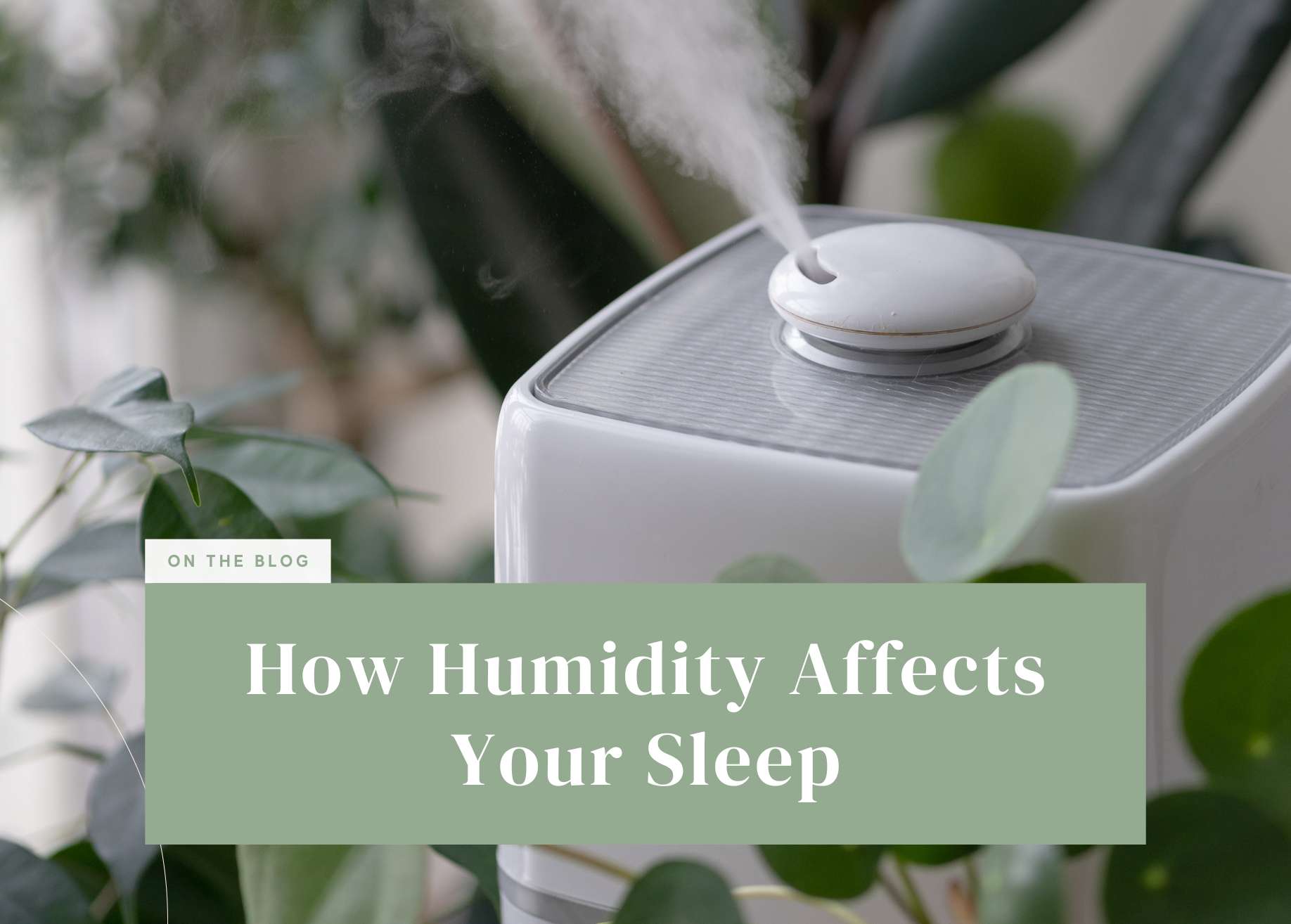
2. Consider a Humidifier or Dehumidifier
Depending on where you live and the season, either one can help maintain a healthier indoor environment.
3. Keep Air Circulating
A ceiling fan or standing fan helps improve airflow and reduces the feeling of stagnant air.
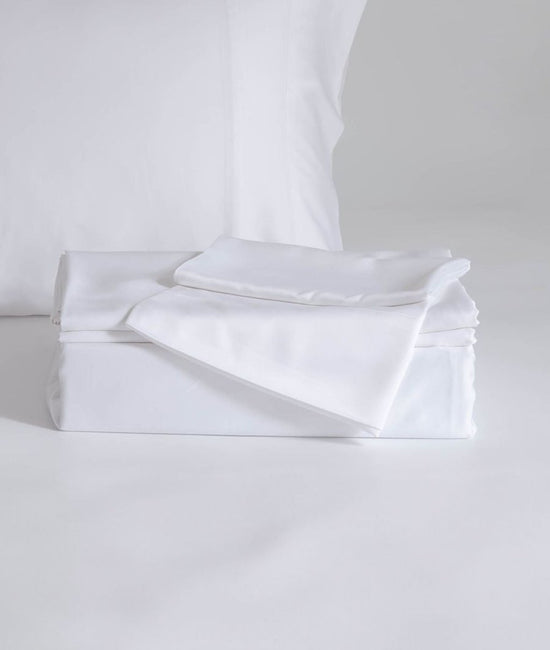
4. Choose Breathable Bedding
Heavy fabrics can trap both heat and moisture around your body.
Breathable bedding allows better airflow and helps regulate temperature throughout the night.
Your Sleep Environment Is More Than Just Temperature
Even perfect humidity can't compensate for an uncomfortable bed.
Your mattress and bedding still play a major role in how cool and comfortable you feel.
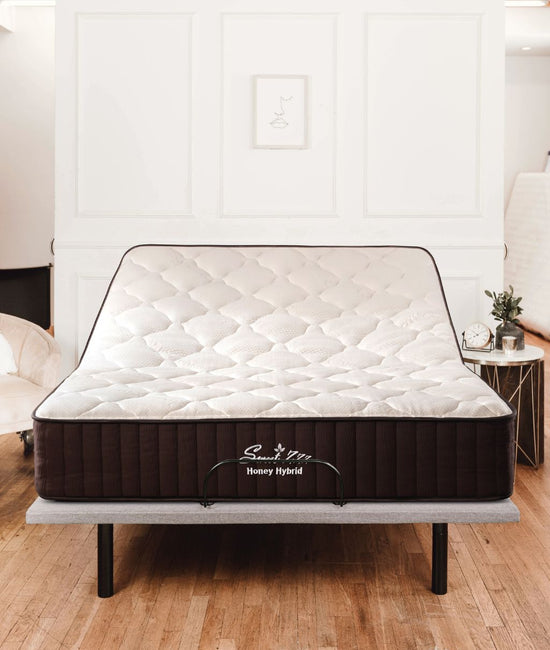
Its breathable design allows air to circulate through the mattress instead of trapping body heat, helping you stay cooler throughout the night.
Naturally breathable and moisture-wicking, they help move excess heat and moisture away from your body, making humid summer nights much more comfortable.
Elevating your upper body slightly can improve airflow around your body while also creating a more comfortable sleeping position on warmer nights.
Together, they help create a sleep environment that's comfortable no matter what the weather is doing outside.
Final Thoughts
Temperature gets most of the attention.
But humidity quietly plays an equally important role.
When your bedroom is:
-
Cool enough
-
Properly ventilated
-
Within a comfortable humidity range
your body can regulate its temperature naturally, helping you fall asleep faster and stay asleep longer.
Sometimes, better sleep isn't about changing your routine.
It's simply about creating the right environment.