 800-811-7514
What Sleep Aids Really Work?


You can’t count how many times you’ve stared at the ceiling at 2 a.m., wondering if there’s something—anything—that could help you finally drift off.
The shelves are packed with options: pills, teas, sprays, gadgets. Some swear by them. Others try everything and still lie awake.
So what actually works when it comes to sleep aids—and what’s just clever marketing?
The Quick Fixes People Reach For

Most sleep aids fall into two categories:
-
Supplements and Medications: Melatonin, antihistamines, or prescription drugs. These can help in certain cases, but they often come with side effects like grogginess, dependency, or disrupted sleep cycles.
-
Herbal and Natural Remedies: Chamomile tea, lavender oil, magnesium. These are gentler and sometimes effective, but results vary widely from person to person.
The takeaway? They’re tools—not cures. They may nudge your body toward rest, but they don’t solve why sleep is hard in the first place.
The Science-Backed “Aids” That Really Matter
Instead of focusing only on what you take, look at what surrounds you. Because the most effective sleep aids aren’t swallowed—they’re built into your environment.
-
Consistency: Going to bed and waking up at the same time trains your body’s clock.

-
Light Control: Darkness signals melatonin release; light tells your brain it’s time to be alert.

-
Temperature: Cooler rooms (around 60–67°F) are proven to promote deeper sleep.

-
Comfortable Bedding: If your body isn’t supported or if you’re overheating, no supplement can keep you asleep.

These aren’t quick fixes—they’re long-term solutions.
Where the Right Setup Becomes the Best “Sleep Aid”
If you really want to give your body every chance to rest, start with the foundation:

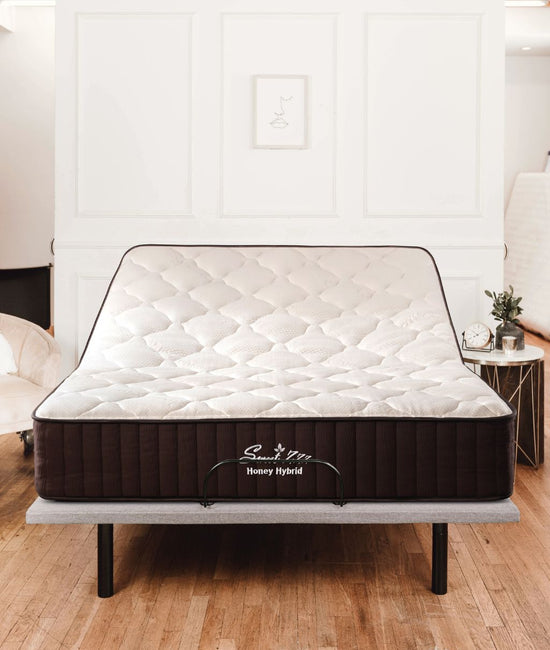
🌿 Honey Hybrid Organic Mattress — Supports your spine, relieves pressure, and keeps you cool so your body doesn’t toss and turn.
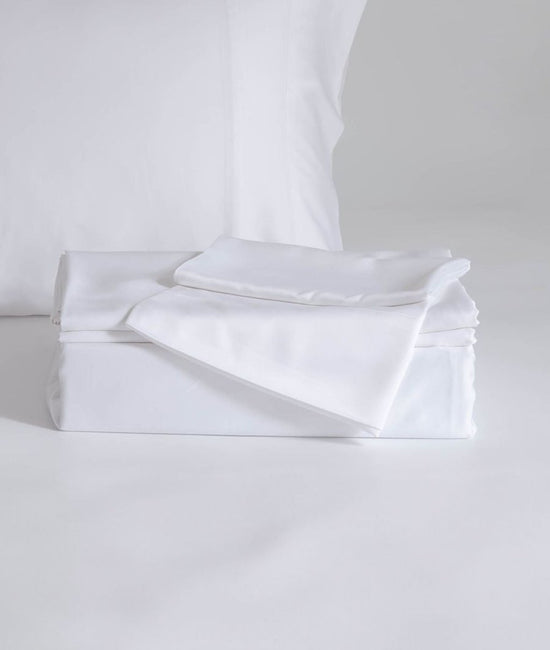
🌿 Bamboo Sheets — Naturally breathable, silky-soft, and temperature-regulating—removing one of the biggest barriers to staying asleep.
🌿 Adjustable Base — Elevates your head or legs when you need it: easing reflux, reducing snoring, improving circulation, and helping you find your most comfortable position.
Together, these aren’t gimmicks. They’re the kind of “sleep aids” you don’t have to remember to take—they work every night, automatically.
Final Thoughts
The best sleep aid isn’t a pill you take once. It’s the habits you build and the environment you create every night.
Supplements may help. Herbal teas may calm. But when your room is cool, your mattress is supportive, and your bedding keeps your body in balance, sleep doesn’t need to be forced—it comes naturally.
So before you reach for another bottle or box, ask: is my bedroom helping me sleep, or fighting against me?