 800-811-7514
What to Do About Shoulder Pain as a Side Sleeper


Side sleeping should feel comfortable.
You curl up.
Your body relaxes.
Your breathing feels easy.
Your mind starts to slow down.
But then, a few hours later, you wake up.
Your shoulder feels sore.
Your arm feels numb.
Your neck feels tight.
You roll to the other side, hoping it helps.
Then that shoulder starts hurting too.
If this keeps happening, you may start wondering:
Is side sleeping bad for my shoulders?
Not necessarily.
Side sleeping is not the problem for everyone.
But the wrong mattress, pillow, or sleep position can put too much pressure on the shoulder and turn a comfortable position into a painful one.
Why Side Sleepers Get Shoulder Pain

When you sleep on your side, your shoulder becomes one of the main contact points between your body and the mattress.
That means more weight is concentrated on a smaller area.
Sleep Foundation notes that when lying on your side, the shoulders and hips bear much of your weight against the mattress, which can create pressure points or worsen existing shoulder and hip discomfort.
This is why side sleepers need the right balance.
The mattress must be soft enough to relieve pressure.
But supportive enough to keep the spine aligned.
If that balance is off, the shoulder pays for it.
A Mattress That Is Too Firm Can Push Back Too Hard

A firm mattress may sound supportive.
But for side sleepers, too much firmness can create pressure.
If the shoulder cannot sink in slightly, your body stays pressed against the surface all night.
That pressure can lead to:
-
Shoulder soreness
-
Arm numbness
-
Tossing and turning
-
Neck tension
-
Waking up repeatedly
The problem is not that the mattress is “bad.”
It may simply be wrong for your sleep position.
Side sleepers usually need more pressure relief than back or stomach sleepers.
A Mattress That Is Too Soft Can Also Cause Problems

Too soft can be just as bad.
If your hips sink too deeply while your shoulder sinks differently, your spine may fall out of alignment.
That can create tension through the:
-
Lower back
-
Neck
-
Shoulder blade area
-
Upper back
So the answer is not simply “get the softest mattress.”
The answer is balanced support.
Soft enough for pressure relief.
Strong enough for alignment.
Your Pillow May Be Making It Worse

Shoulder pain is not always caused by the shoulder itself.
Sometimes, the issue starts with the neck.
When you sleep on your side, your pillow needs to fill the space between your head and the mattress.
If your pillow is too low, your neck drops downward.
If your pillow is too high, your neck bends upward.
Either way, the shoulder and neck can stay under tension for hours.
Sleep Foundation explains that side sleepers should choose a pillow height that matches the distance between the neck and shoulder.
A pillow should not just feel soft.
It should keep your head, neck, and spine lined up.
Watch What Happens to Your Bottom Shoulder

The shoulder you sleep on often gets compressed under your body.
If it rolls too far forward, gets trapped under your chest, or carries too much weight, it can become irritated.
Try not to sleep directly on the point of the shoulder.
Instead, shift slightly so more weight rests on the upper back and side of the rib cage rather than directly on the shoulder joint.
Small positioning changes can make a big difference.
Support the Top Arm

Many side sleepers let the top arm fall forward across the body.
This can pull the shoulder inward and create tension across the chest, upper back, and shoulder blade area.
A simple fix:
Hug a pillow.
This gives the top arm somewhere to rest and may help prevent the shoulder from collapsing forward.
Sleep Foundation notes that placing a pillow under the arm while side sleeping may help reduce pressure on the shoulder.
It sounds simple, but for many side sleepers, it helps the whole upper body relax.
Use a Pillow Between the Knees

Shoulder pain can be connected to full-body alignment.
If your top leg falls forward, your hips rotate.
When the hips rotate, the spine twists.
When the spine twists, the shoulders may follow.
A pillow between the knees can help keep the hips more aligned, which may reduce twisting through the back and shoulders.
This is especially helpful for side sleepers who wake up feeling tight through the lower back and upper body.
Switch Sides If You Can

If one shoulder always hurts, avoid sleeping on that side for a while if possible.
Give the irritated shoulder a break.
Try sleeping on the opposite side with proper pillow support.
Or try back sleeping for part of the night if it feels comfortable.
This will not solve every shoulder problem, but reducing direct pressure may help calm irritation.
When Shoulder Pain Is Not Just Your Sleep Position

Sometimes shoulder pain is not caused by your mattress or pillow.
It can come from:
-
Rotator cuff problems
-
Tendon irritation
-
Bursitis
-
Arthritis
-
Injury
-
Frozen shoulder
-
Nerve irritation
-
Overuse
Cleveland Clinic lists many possible causes of shoulder pain and notes that treatment depends on the cause.
That is why persistent shoulder pain should not be ignored.
Your sleep setup can help reduce pressure and improve comfort.
But it cannot diagnose the cause of pain.
When to Talk to a Doctor

Consider talking to a healthcare professional if shoulder pain:
-
Lasts for more than a few weeks
-
Gets worse over time
-
Wakes you up regularly
-
Limits movement
-
Causes weakness
-
Comes with numbness or tingling
-
Follows an injury
-
Makes daily activities difficult
Cleveland Clinic specifically notes that shoulder discomfort that wakes you up or prevents you from sleeping is a reason to seek medical guidance.
Also, seek urgent care if shoulder pain comes with chest pain, shortness of breath, sweating, jaw pain, or pain spreading down the arm, because those symptoms may point to something more serious.
What Side Sleepers Should Look for in a Mattress

If shoulder pain happens mainly at night or when you wake up, your mattress may be part of the problem.
A good side-sleeper mattress should:
-
Cushion the shoulder
-
Relieve pressure at the hips
-
Support the spine
-
Respond when you move
-
Avoid trapping heat
-
Stay durable over time
The goal is not just softness.
The goal is pressure relief with support underneath.
That is what helps the shoulder sink in comfortably without letting the rest of the body collapse.
What Side Sleepers Should Look for in a Pillow

A good side-sleeper pillow should:
-
Fill the space between shoulder and head
-
Keep the neck level
-
Support the natural curve of the neck
-
Avoid pushing the head too high
-
Avoid letting the head drop too low
-
Stay comfortable through the night
If you constantly fold your pillow, stack pillows, or wake up adjusting it, your pillow may not be doing its job.
The pillow supports the top of your spine.
The mattress supports the rest.
They need to work together.
The Sweet Zzz Setup for Side-Sleeper Shoulder Pain
The Honey Hybrid is designed with the balance side sleepers need: pressure relief at the shoulders and hips, plus stable support through the pocketed coil system. The GOLS organic latex comfort layer helps cushion pressure points without the stuck feeling of slow-moving foam.
For most side sleepers, Medium-Soft is usually the best choice because it offers the most pressure relief.
For side sleepers who also sleep on their back, couples with different preferences, or people who prefer a slightly more supportive feel, Medium-Firm can also work well.
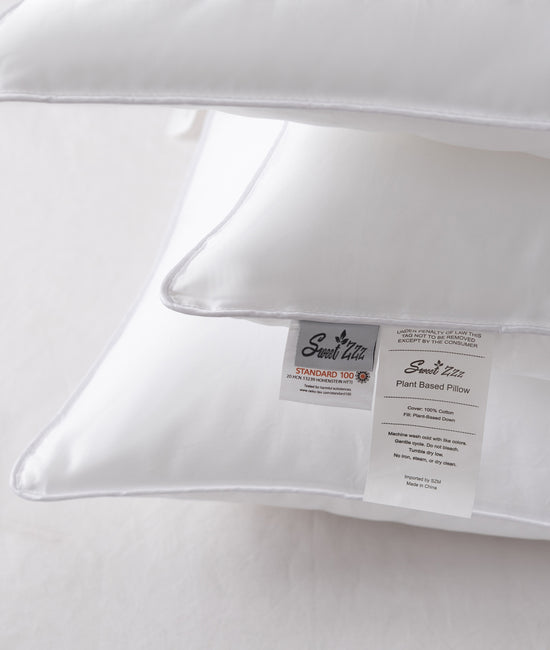
The Plant-Based Pillow helps support the head and neck so the shoulder does not carry unnecessary tension. Proper neck alignment is especially important for side sleepers because the pillow has to fill the space created by the shoulder.
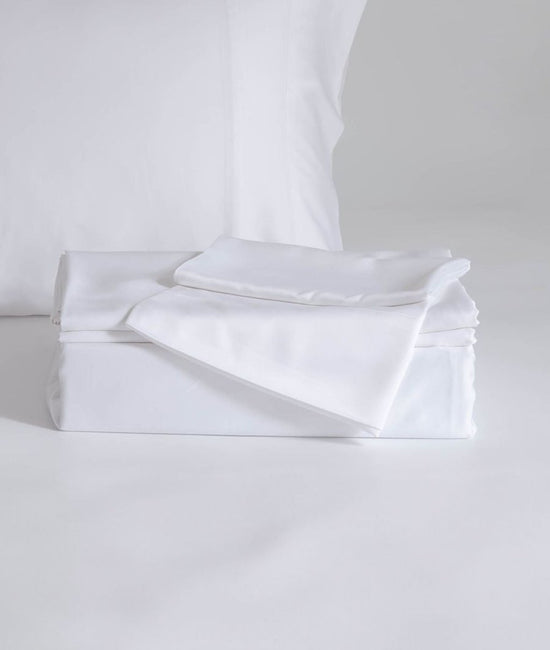
Soft, breathable, and moisture-wicking, Bamboo Sheets help reduce friction and overheating, making side sleeping feel smoother and more comfortable.
An adjustable base can help you relax before bed, elevate your legs, reduce pressure, and find a more comfortable resting position. It also helps reduce the need for awkward pillow stacking when reading or relaxing in bed.
Together, the right mattress, pillow, and bedding can help reduce pressure so your shoulder does not feel like it is carrying the whole night.
Final Thoughts
Side sleeping is not bad.
But side sleeping on the wrong setup can be hard on your shoulders.
If your mattress is too firm, pressure builds.
If it is too soft, alignment suffers.
If your pillow is wrong, your neck and shoulder stay tense.
The answer is not to force yourself into a sleep position you hate.
The answer is to support the position your body naturally prefers.
Relieve pressure.
Support alignment.
Protect the shoulder.
Keep the neck neutral.
Because side sleeping should not leave you waking up sore.
It should help your body finally relax.