 800-811-7514
What to Do When You’re Too Hot to Sleep (And Nothing Seems to Work)

You lie down…
and within minutes, you feel it.
Too warm.
Restless.
Uncomfortable.
You flip the pillow.
Kick off the blanket.
Turn the fan higher.
But nothing really fixes it.
So you wonder:
Why is it so hard to sleep when you’re hot—and what actually works?
First: Your Body Needs to Cool Down to Sleep

Sleep doesn’t happen at your normal body temperature.
It requires a drop.
As you get ready for sleep, your body:
-
Lowers its core temperature
-
Slows your system down
-
Prepares for deep rest
If that cooling process is blocked…
👉 Sleep becomes lighter, shorter, and more interrupted.
Why Heat Feels So Disruptive at Night

Being warm isn’t just uncomfortable.
It actively interferes with:
-
Falling asleep
-
Staying asleep
-
Deep sleep cycles
Even a small increase in temperature can:
-
Increase wake-ups
-
Reduce sleep quality
-
Make you feel more tired the next day
What Actually Helps (That Most People Overlook)
1. Cool Your Body—Not Just the Room

Lowering room temperature helps, but your body matters more.
Try:
-
A lukewarm (not cold) shower before bed
-
Cooling your feet or hands
-
Letting your body release heat naturally
Your body cools itself from the extremities.
2. Use the Right Bedding (This Is Huge)

Many people trap heat without realizing it.
Heavy or non-breathable fabrics:
-
Hold moisture
-
Keep heat close to your skin
-
Make you feel hotter over time
Breathable materials allow heat to escape.
3. Stop Fighting the Blanket—Adjust It

Completely removing covers can backfire.
Your body still expects a sleep signal.
Instead:
-
Use lighter layers
-
Keep partial coverage
-
Let your body regulate gradually
4. Airflow Matters More Than You Think

Fans don’t just cool—they move heat away from your body.
Even slight airflow can:
-
Improve evaporation
-
Reduce heat buildup
-
Help your body stay stable
5. Avoid Heat Triggers Before Bed

These make a bigger difference than expected:
-
Heavy meals
-
Alcohol
-
Intense workouts late at night
They raise your internal temperature when you’re trying to lower it.
6. Choose the Right Sleep Position

Spreading out slightly (instead of curling up) helps:
-
Release heat
-
Improve airflow
-
Reduce trapped warmth
Your body position affects temperature more than you think.
Why Your Bed Might Be the Real Problem

If you’re consistently overheating, it may not be the weather.
It may be what you’re sleeping on.
Some materials:
-
Trap heat
-
Limit airflow
-
Create a “heat pocket” around your body
Even in a cool room, you’ll feel warm.
Supporting a Cooler Sleep Setup
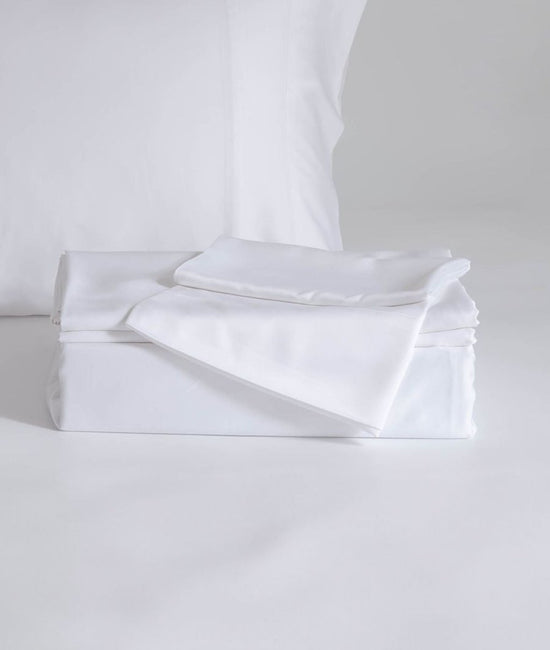
Bamboo Sheets
Naturally breathable and moisture-wicking—helping your body stay dry and cool throughout the night.
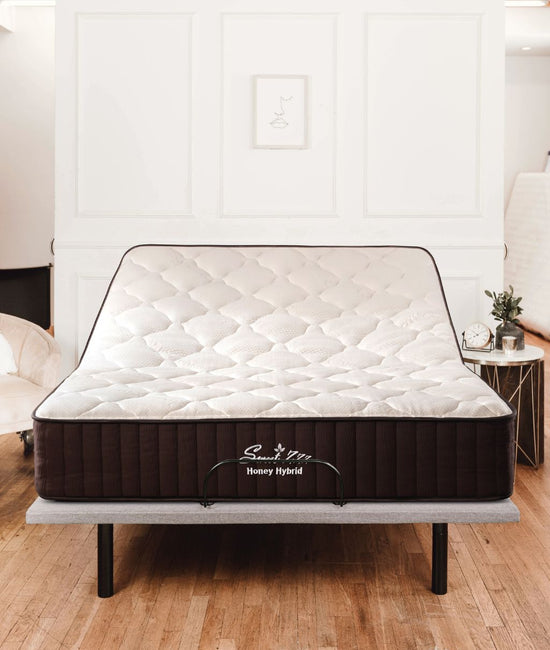
Honey Hybrid Mattress
Designed with airflow in mind—allowing heat to escape instead of building up like dense foam.
Adjustable Base
Allows positioning that improves airflow and reduces heat buildup around your body.
When your bed releases heat instead of trapping it, everything changes.
Final Thoughts
Sleeping hot isn’t just uncomfortable—it disrupts your body’s ability to rest.
The key isn’t just lowering the temperature.
It’s helping your body cool down and stay cool.
Because once your body reaches the right temperature…
sleep becomes much easier.