 800-811-7514
Why Cooler Nights Can Help You Sleep Better


There is something different about a cooler night.
The room feels calmer.
The sheets feel fresher.
The air feels easier to breathe.
The bed feels more inviting.
You do not feel trapped under the covers.
You are not flipping the pillow every few minutes.
You are not kicking one leg out and pulling it back in.
You are not waking up sticky, sweaty, or restless.
You simply settle.
That is one reason many people sleep better when the weather finally starts to cool down.
Cooler nights can help your body do what it is already trying to do before sleep:
slow down, release heat, and move into rest.
But temperature is tricky.
Too warm can ruin sleep.
Too cold can make you tense.
Too many blankets can trap heat.
Too little warmth can wake you early.
So why do cooler nights often help?
And how do you use them without making the bedroom uncomfortable?
Your Body Naturally Cools Down Before Sleep

Sleep is not only controlled by tiredness.
It is also connected to body temperature.
As bedtime approaches, your body begins shifting toward rest. Part of that process involves changes in internal body temperature. NHLBI explains that sleep is connected to the body’s circadian rhythm, and that light, darkness, and internal body processes help determine when you feel awake and when you feel drowsy.
This is why a cooler room can feel so sleep-friendly.
It works with the body instead of against it.
When the room is too warm, your body has a harder time releasing heat.
When the room is comfortably cool, the body often settles more easily.
That does not mean your room needs to feel freezing.
It means your bedroom should help your body cool down naturally.
Why Heat Makes Sleep Feel Restless

Heat is one of the easiest ways to break up sleep.
You may fall asleep fine.
But later, the warmth builds.
Your back feels hot.
Your sheets feel sticky.
Your pillow feels warm.
You wake up and adjust.
Then adjust again.
Even if you do not fully wake, your body may keep reacting to the heat.
Sleep Foundation notes that a bedroom that is too warm can interfere with the body’s ability to regulate temperature, and that higher core body temperature has been associated with less restorative slow-wave sleep and lower subjective sleep quality.
That is why hot sleep often feels shallow.
Your body never fully stops managing discomfort.
Cooler nights can reduce that battle.
Cooler Does Not Mean Cold

This is important.
A cool bedroom can help sleep.
A cold, uncomfortable bedroom can disrupt it.
If you are shivering, clenching your muscles, curling tightly, or waking up because your feet are freezing, the room may be too cold for you.
The goal is not to make the bedroom feel like a refrigerator.
The goal is to create a comfortable sleep climate.
Cool air.
Warm enough covers.
Breathable bedding.
A temperature that lets your body relax.
The CDC recommends keeping the bedroom quiet, relaxing, and at a cool temperature as part of healthy sleep habits.
That word matters:
cool, not harsh.
Comfort is the goal.
Why September Nights Can Feel So Good for Sleep

September often brings a useful transition.
The heavy heat of summer begins to ease.
The nights may cool down.
Humidity may drop.
Air conditioning may run less.
Windows may feel tempting again.
The bedroom may finally stop feeling trapped and overheated.
That can make sleep feel easier.
Especially if summer nights were full of tossing, sweating, or waking up hot.
But September can also be inconsistent.
One night feels cool and perfect.
The next feels warm again.
The next starts warm and ends chilly.
That is why your bedroom setup needs flexibility.
You want to enjoy cooler nights without being caught off guard by changing temperatures.
A Cooler Room Helps the Bed Feel Fresher

Temperature changes how your bed feels.
When the room is hot, the mattress may feel warmer.
The sheets may feel heavier.
Your pillow may lose its cool side quickly.
Even soft bedding can start to feel uncomfortable when heat and moisture build up.
A cooler room helps the sleep surface feel cleaner and fresher.
You may feel less sticky.
Less trapped.
Less desperate to find a cooler spot.
That can make it easier to stay asleep without constant movement.
Humidity Still Matters

A cooler night does not always mean a comfortable night.
Humidity can change everything.
A room can be cool but still feel damp or heavy.
Or the air can become dry enough to irritate your throat and nose.
Sleep Foundation explains that dry air can contribute to dry skin, nasal irritation, sore throats, and nighttime coughing, while excessive humidity can make the room feel stuffy and interfere with the body’s ability to cool itself through sweat evaporation.
That is why fall sleep is not only about temperature.
It is temperature plus humidity.
If the room feels sticky, a fan, air conditioning, or dehumidifier may help.
If the room feels dry, a carefully cleaned humidifier may help.
The goal is balanced air.
Not damp.
Not desert dry.
Comfortable.
Bedding Can Make or Break Cooler Nights

Cooler air helps.
But bedding decides how that cool air feels against your body.
If your bedding traps heat, you may still wake up hot.
If your bedding is too thin, you may wake up cold.
If your sheets hold moisture, you may feel clammy.
A review on sleep environments notes that skin temperature, rapid temperature changes, and sweating during sleep can significantly reduce sleep quality, which makes the thermal properties of bedding and sleepwear important.
This is why breathable bedding matters so much during seasonal transitions.
You want bedding that helps you regulate temperature instead of locking you into one feeling all night.
September is a great time to layer.
Use breathable sheets.
Add a light blanket.
Keep a warmer layer nearby.
Let your body adjust naturally.
The Wrong Mattress Can Still Make You Sleep Hot

A cool room helps, but it may not fully solve overheating if your mattress traps heat.
Some mattress materials hold warmth close to the body.
That can make the bed feel hot even when the room feels comfortable.
You may notice this if:
-
Your room is cool but your back still feels hot
-
You wake up sweating under light covers
-
You keep moving to find a cooler spot
-
Your mattress feels warmer the longer you lie on it
-
You sleep better away from home
A breathable mattress can help by allowing heat and air to move more naturally.
Your bed should not cancel out the benefits of a cooler night.
Cooler Nights May Reduce Tossing and Turning

People often think tossing and turning is only caused by stress.
But temperature is a major reason the body moves at night.
When you are too warm, your body tries to solve the problem.
It shifts.
Uncovers.
Turns over.
Moves an arm out.
Moves a leg out.
Flips the pillow.
A cooler sleep environment can reduce the need for all those adjustments.
That does not mean you will never move.
Movement during sleep is normal.
But if temperature was the reason you kept waking, a cooler room can help your body stay more settled.
Cooler Nights Can Support Deeper Rest
When your body is comfortable, sleep has fewer interruptions.
You are not fighting heat.
You are not sweating through sheets.
You are not waking up to adjust covers.
You are not feeling trapped in the mattress.
That steadiness matters.
Sleep is not only about falling asleep.
It is about staying asleep long enough for your body to move through healthy sleep cycles.
When temperature keeps pulling you awake, the night can feel lighter and more broken.
Cooler nights can create better conditions for uninterrupted rest.
But Do Not Overcool the Room

Some people make the opposite mistake.
They hear that cool rooms are better and turn the bedroom too cold.
Then they wake up with tense shoulders, cold feet, or a stiff body.
Your body should not have to brace against the room.
If you wake up cold, try:
-
Warmer socks
-
A breathable blanket
-
Layered bedding
-
Slightly higher thermostat
-
Closing the window earlier
-
Keeping a throw blanket nearby
You want cool air and relaxed muscles.
Not cold stress.
Your Feet Matter More Than You Think

Cold feet can make sleep uncomfortable.
Even if the rest of your body feels fine, cold feet may keep you alert or make it harder to settle.
If cooler nights make your feet cold, try light socks or an extra blanket at the foot of the bed.
This is a small adjustment, but it can make the whole bed feel more comfortable.
A good sleep setup lets your body cool down without making one area feel chilled.
Cooler Nights and Morning Wake-Ups

Cooler nights can help sleep, but cooler mornings can change wake-ups too.
You may feel more comfortable staying in bed.
The room may feel darker.
The blankets may feel better.
Getting up may feel harder.
That is where morning light matters.
As fall approaches, mornings can feel dimmer and slower.
NHLBI explains that light and darkness help determine when you feel awake and when you feel drowsy.
So if cooler mornings make you want to stay under the covers, give your body a strong morning signal.
Open curtains quickly.
Turn on bright lights.
Step outside if possible.
A good night still needs a clear morning.
How to Use Cooler Nights for Better Sleep

1. Keep the Room Comfortably Cool
Aim for a bedroom that feels cool enough to prevent overheating but not so cold that your body tenses up.
Many experts often point to around the mid-60s Fahrenheit as a helpful range, but comfort varies by person. Sleep Foundation says the best room temperature for sleep is approximately 65°F, while CDC/NIOSH guidance suggests about 65°F to 68°F for many adults.
Use that as a starting point.
Not a rule.
Your body is the final judge.
2. Layer Instead of Overcommitting
Do not jump straight from summer bedding to heavy winter bedding.
Use layers.
That way you can adjust when the night starts warm and ends cool.
A breathable sheet plus a light blanket often works better than one heavy comforter too early in the season.
3. Choose Breathable Sheets
Sheets are the first layer against your body.
If they trap heat or moisture, you may still sleep hot even in a cool room.
Look for sheets that feel soft, breathable, and moisture-wicking.
This is especially helpful during September when temperatures can swing from one night to the next.
4. Use a Fan Strategically
A fan can help circulate air and keep the bedroom from feeling stale.
It does not always need to blow directly on you.
Sometimes gentle air movement in the room is enough.
If fan noise helps you sleep, even better.
Steady sound can also mask sudden noises.
5. Be Careful With Open Windows
Open windows can feel wonderful on cooler nights.
But they can also bring in pollen, outdoor noise, humidity, smoke, or cold air by morning.
If allergies are an issue, be careful during fall pollen season.
You may sleep better with the window closed and a fan or air purifier running instead.
Cool air is helpful.
Allergen-filled air may not be.
6. Adjust Sleepwear
Your pajamas matter too.
Heavy sleepwear can trap heat.
Thin sleepwear may leave you cold by morning.
During seasonal changes, choose breathable fabrics and adjust as needed.
Your sleepwear should work with your bedding, not fight it.
7. Check the Mattress
If you are still waking hot on cooler nights, your mattress may be part of the problem.
Ask yourself:
Does the bed feel warm after a few hours?
Do I wake up sweating even with light covers?
Does my mattress make me feel stuck?
Do I sleep cooler in other beds?
Does the room feel cool while the mattress feels hot?
If the room is right but the bed feels wrong, the mattress or bedding may need attention.
8. Keep Morning Light Strong
Cooler nights can improve sleep, but darker mornings may make waking harder.
Use light to help your body start the day.
Open curtains.
Go outside.
Avoid lying in bed too long after waking.
A healthy sleep rhythm needs both a comfortable night and a clear morning.
When Night Heat Is More Than a Room Problem

Most nighttime overheating is caused by room temperature, bedding, mattress materials, humidity, pajamas, or normal body changes.
But frequent night sweats can sometimes be related to medications, infections, hormonal changes, anxiety, or medical conditions.
Talk to a healthcare professional if you regularly wake up drenched, have unexplained fever, weight loss, chest discomfort, breathing problems, or symptoms that are new, severe, or worsening.
A cooler bedroom can help comfort.
But persistent or intense night sweating should not be ignored.
Why Your Sleep Setup Matters
Cooler nights are a gift.
But your bed has to let you use them.
If your mattress traps heat, your sheets hold moisture, or your pillow feels warm and uncomfortable, the room temperature can only do so much.
🌿 Honey Hybrid Mattress
Designed with breathable organic materials, GOLS organic latex, and individually pocketed coils, the Honey Hybrid helps support airflow while providing pressure relief and spinal support.
It is made without polyurethane foams, fiberglass, chemical flame retardants, glues, formaldehyde, or heavy metals.
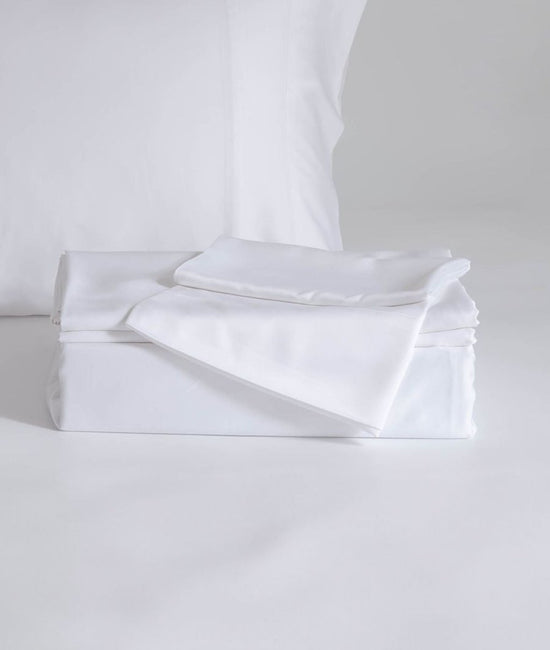
🌿 Bamboo Sheets
Soft, breathable, and moisture-wicking, Bamboo Sheets are especially helpful when the weather is shifting. They help the sleep surface feel cooler, fresher, and more comfortable through the night.
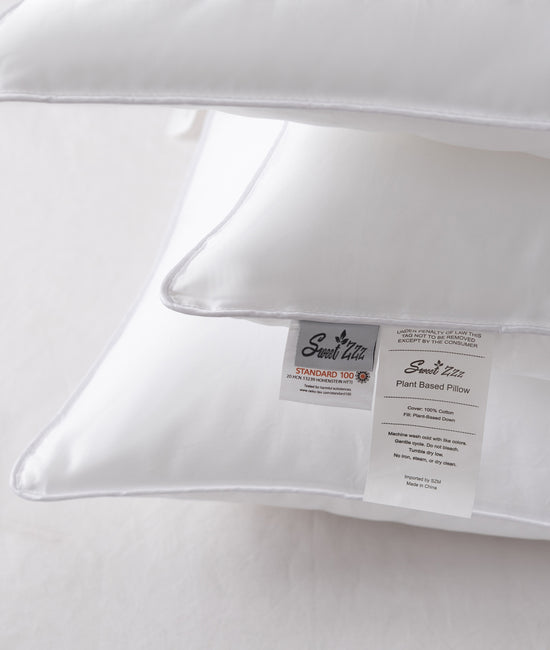
🌿 Plant-Based Pillow
A supportive, breathable pillow helps keep the head and neck aligned without making the upper body feel overheated or cramped.
🌿 Cooling Tencel Mattress Protector
A breathable protector helps keep the mattress surface cleaner and more comfortable while adding a practical layer of protection.
🌿 Adjustable Base
Helps you elevate your head or legs, reduce pressure, read comfortably, and relax before sleep with massage.
On cooler nights, comfort becomes easier to fine-tune.
The right setup helps your body settle and stay settled.
Final Thoughts
Cooler nights can help you sleep better because they support what your body naturally wants to do at night.
Cool down.
Relax.
Release the heat of the day.
Settle into deeper rest.
But comfort still matters.
Too warm can make sleep restless.
Too cold can make the body tense.
Too much bedding can trap heat.
The wrong mattress can hold warmth close to your body.
Dry or humid air can still make the room feel wrong.
The goal is not a cold bedroom.
The goal is a balanced one.
Cool air.
Breathable bedding.
Flexible layers.
A mattress that does not trap heat.
A morning routine that brings light back into the day.
When your bedroom works with the season instead of against it, sleep starts to feel easier.
And sometimes, the first real sign of fall is not the leaves changing.
It is finally waking up after a night that felt cool, quiet, and deeply restful.