 800-811-7514
Why Do We Feel More Restless Than Ever? (And Why It Shows Up at Night)

It’s a strange feeling.
You’re tired… but not relaxed.
You slow down… but your mind doesn’t.
You finally get into bed… and something still feels unsettled.
This kind of restlessness is becoming more common.
Not dramatic.
Not always obvious.
But constant.
So why does it feel like we’re more restless now than ever?
Restlessness Isn’t Always Anxiety

Most people think restlessness means stress or anxiety.
But modern restlessness often looks like:
-
Difficulty fully relaxing
-
A constant need to check something
-
Trouble staying present
-
Feeling mentally “on” even when nothing is wrong
-
Light, interrupted sleep
It’s not panic.
It’s low-grade, continuous activation.
1. Your Brain Never Fully Shuts Off Anymore

We live in a world where stimulation never ends.
Phones.
Notifications.
Messages.
Content.
Endless scrolling.
Even when you stop using them, your brain doesn’t immediately reset.
It stays slightly alert—waiting for the next input.
2. We’ve Lost Natural Transitions

In the past, the day had clear boundaries:
-
Work ended
-
Evenings slowed down
-
Darkness signaled rest
Now everything blends:
-
Work and home overlap
-
Day and night feel similar
-
Screens replace natural light cues
Without transitions, your brain doesn’t get a clear signal to relax.
3. Mental Load Has Increased (Even When Life Looks “Normal”)
Modern life adds invisible pressure:
-
Constant decision-making
-
Information overload
-
Planning and multitasking
-
Subtle comparison through social media
You may feel “fine”—but your brain is processing more than ever.
That buildup often shows up at night.
4. Your Nervous System Is Slightly Activated All the Time

Even without obvious stress, your body may stay in a mild alert state.
This looks like:
-
Light sleep
-
Frequent awakenings
-
Difficulty falling asleep
-
A sense of never fully resting
It’s not extreme—it’s constant.
5. Rest Has Become Passive, Not Restorative

Many people try to “relax” by:
-
Watching TV
-
Scrolling
-
Multitasking with content
But passive stimulation isn’t true rest.
Your brain is still engaged.
Real rest requires:
-
Lower stimulation
-
Slower input
-
Physical and mental stillness
Why Restlessness Shows Up Most at Night
During the day, distractions mask restlessness.
At night:
-
The environment quiets
-
The mind becomes more aware
-
Unprocessed thoughts surface
This is why many people feel:
“I’m fine all day… but can’t fully relax at night.”
How to Reduce Modern Restlessness
1. Create a Clear Wind-Down Window
Give your brain a transition from “on” to “off.”
Even 30–60 minutes helps.

2. Lower Stimulation Gradually
Don’t go from high activity to total stillness instantly.
Step it down:
-
Bright → dim light
-
Fast → slow content
-
Busy → quiet
3. Add Real Rest (Not Just Distraction)
Try:
-
Sitting in silence
-
Light stretching
-
Breathing slowly
-
Reading something calm
This resets the nervous system.
4. Support Physical Comfort at Night
If your body is uncomfortable, your brain stays alert.
Why Your Sleep Environment Matters More Than Ever
In a high-stimulation world, your bedroom needs to do the opposite.
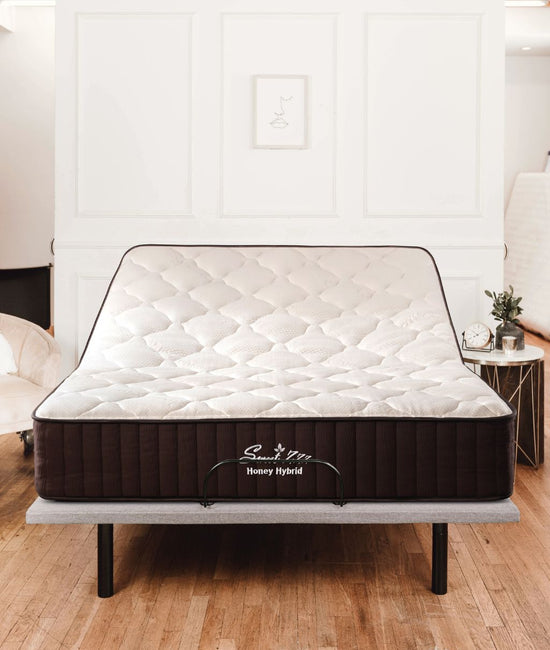
🌿 Honey Hybrid Organic Latex Mattress
Reduces pressure and movement, helping your body fully settle instead of staying slightly active.
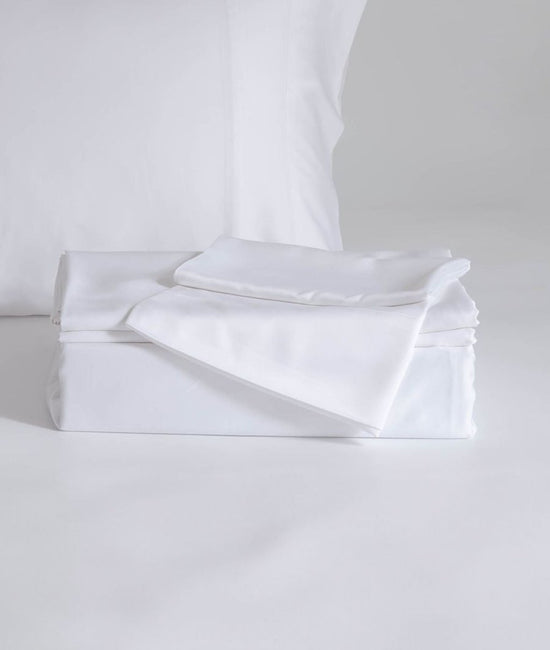
🌿 Bamboo Sheets
Temperature stability prevents overheating—a common trigger for restlessness.
🌿 Adjustable Base
Allows subtle positioning that helps the body feel supported and relaxed faster.
When your environment is calm, your nervous system follows.
Final Thoughts
We’re not more restless because we’re weaker.
We’re more restless because the world has become more stimulating, more demanding, and less defined.
Rest doesn’t happen automatically anymore.
It has to be supported—intentionally.
And when it is, something shifts.
Your body remembers how to relax.
Your mind slows down.
And sleep becomes what it was meant to be.