 800-811-7514
Why Do You Get So Hot at Night?


You fall asleep feeling fine.
The room seems comfortable.
The sheets feel good.
The pillow is cool.
Then a few hours later, everything changes.
You wake up hot.
You kick off the blanket.
Your shirt feels damp.
Your pillow needs flipping.
You feel restless, sticky, and annoyed.
And the worst part?
Once you wake up hot, it can be hard to fall back asleep.
So why does this happen?
Why do some people get so hot at night, even when the room doesn’t seem that warm?
The answer can come from your body, your bedroom, your bedding, your mattress, your hormones, your habits, or sometimes something medical.
First: Your Body Temperature Naturally Changes at Night

Sleep and body temperature are closely connected.
Your body usually needs to cool down slightly to fall asleep and stay asleep comfortably. Cleveland Clinic sleep specialist Brian Chen, MD, explains that when the body is too hot at night and cannot drop temperature as needed, sleep can become less refreshing.
That’s why overheating feels so disruptive.
Your body is trying to rest.
But heat keeps sending the opposite signal:
Wake up. Move. Cool down.
There’s a Difference Between Sleeping Hot and Night Sweats

Not every hot night is a medical concern.
Sometimes you’re simply too warm because of your room, sheets, blanket, pajamas, or mattress.
But night sweats are different.
Mayo Clinic describes night sweats as repeated episodes of very heavy sweating during sleep, heavy enough to soak nightclothes or bedding, and notes they are often caused by an underlying condition or illness.
So if you occasionally wake up warm, it may be your environment.
If you repeatedly wake up drenched, especially with other symptoms, it deserves more attention.
1. Your Bedroom May Be Too Warm

This is the simplest cause.
If the room is too warm, your body has to work harder to cool itself down.
That can lead to:
-
Tossing and turning
-
Sweating
-
Lighter sleep
-
More wake-ups
-
Restless mornings
Even a room that feels “fine” before bed may become too warm after your body heat builds under the covers.
This is especially common in summer or in rooms with poor airflow.
2. Your Bedding May Be Trapping Heat

Some sheets, blankets, and comforters trap heat close to the body.
At first, they may feel cozy.
But after a few hours, that trapped warmth can become uncomfortable.
Heavy bedding can also trap moisture, making you feel sticky instead of simply warm.
If you regularly wake up hot, your bedding should be one of the first things you check.
Ask yourself:
-
Are my sheets breathable?
-
Is my blanket too heavy?
-
Do I sweat more with certain fabrics?
-
Do I feel cooler when using lighter bedding?
The material touching your body all night matters.
3. Your Mattress May Be Holding Heat

Many people blame the blanket, but the mattress can be part of the problem too.
Some mattress materials hold heat more than others.
Dense foams, especially low-breathability foams, can trap body heat around you.
That can make the bed feel warmer as the night goes on.
A breathable mattress helps air move instead of letting heat build up.
This is one reason material choice matters.
Comfort is not only about softness.
It is also about temperature.
4. Your Pajamas May Be Working Against You

Sleep clothing matters too.
Thick, tight, or synthetic pajamas can trap heat and moisture.
Loose, breathable clothing usually helps your body cool more naturally.
Some people sleep better in lighter pajamas.
Others sleep better with less clothing.
The goal is not one perfect rule.
The goal is letting your body release heat instead of trapping it.
5. Humidity Can Make Heat Feel Worse

Humidity makes it harder for sweat to evaporate.
That means your body has a harder time cooling itself.
So even if the temperature is not extremely high, humid air can make the room feel hotter and heavier.
That sticky feeling is not imaginary.
Your body is trying to cool down, but the air is not helping.
This is why fans, air conditioning, dehumidifiers, and breathable sheets can make such a big difference.
6. Stress Can Raise Nighttime Heat

Stress does not only affect your thoughts.
It affects your body.
When your nervous system is activated, your heart rate, muscle tension, and alertness can increase.
That can make your body feel warmer at night.
Cleveland Clinic lists anxiety and panic disorders among possible contributors to sweating during sleep.
This is why some people wake up hot during stressful seasons, even if their bedroom setup has not changed.
The body is not fully settling.
It is still alert.
7. Hormones Can Play a Major Role

Hormonal changes can strongly affect body temperature at night.
This is especially common during perimenopause and menopause.
Mayo Clinic explains that nighttime hot flashes, often called night sweats, can wake people from sleep, and that hot flashes most commonly affect the face, neck, and chest.
Cleveland Clinic also lists hormone changes as a common cause of night sweats.
But hormones are not only a women’s health topic.
Thyroid issues and other hormonal changes can also affect temperature regulation.
If overheating is new, intense, or persistent, it is worth paying attention to the pattern.
8. Food, Alcohol, and Late Meals Can Contribute

What happens before bed can affect how hot you feel during sleep.
Some people notice more nighttime heat after:
-
Spicy foods
-
Heavy meals
-
Alcohol
-
Late dinners
-
Sugary snacks
-
Large amounts of caffeine
A heavy meal can keep digestion active.
Alcohol may make you feel sleepy at first, but it can fragment sleep later.
Spicy foods can make some people feel warmer.
Not everyone reacts the same way.
But if you wake up hot often, look at the few hours before bed.
Your night may be reacting to your evening.
9. Medications Can Cause Sweating

Some medications can contribute to night sweats or changes in body temperature.
Cleveland Clinic lists medications and cancer treatments among possible causes of night sweats.
This does not mean you should stop taking a medication on your own.
Never do that without medical guidance.
But if night sweats started after a new medication or dose change, mention it to your doctor or pharmacist.
10. Illness or Infection Can Cause Night Sweats

Sometimes night sweats are related to illness.
Mayo Clinic notes that night sweats often occur along with other concerning symptoms, such as fever, weight loss, pain in a specific area, cough, or diarrhea.
This is why repeated drenching sweats should not be brushed off as “just sleeping hot.”
If there are other symptoms, your body may be signaling something more than a warm bedroom.
When Should You Talk to a Doctor?

Occasional overheating is common.
But schedule a visit with a healthcare provider if night sweats are repeated, drenching, unexplained, or happen with symptoms such as fever, weight loss, pain, cough, diarrhea, or other concerning changes. Mayo Clinic specifically recommends seeing a provider when night sweats come with symptoms like these.
Also pay attention if night sweats are new, worsening, interrupting sleep often, or happening without an obvious environmental reason.
A cooler bed can help comfort.
But it should not replace medical care when symptoms point to something deeper.
What You Can Do Tonight

1. Cool the Room
Lower the temperature if possible.
Use a fan or air conditioning to keep air moving.
Even small changes can help your body release heat.
2. Change the Bedding
Use lighter, more breathable sheets and blankets.
Avoid heavy layers if you keep waking up hot.
3. Watch Humidity
If the air feels damp or sticky, humidity may be part of the problem.
A dehumidifier or air conditioning may help.
4. Wear Breathable Sleep Clothes
Choose lightweight clothing that does not trap heat.
Or experiment with fewer layers.
5. Avoid Heavy Meals Before Bed
Give your body time to digest before lying down.
This can also help if reflux or discomfort contributes to waking.
6. Reduce Alcohol Close to Bedtime
Alcohol can disrupt sleep and may make nighttime overheating worse for some people.
7. Calm the Nervous System
If stress is part of the problem, build a wind-down routine.
Try breathing, stretching, reading, or a warm shower earlier in the evening.
The goal is to help your body stop running hot emotionally and physically.
Why Your Sleep Setup Matters
If you regularly wake up hot, your mattress and bedding are not small details.
They are part of your sleep environment.
And your sleep environment can either trap heat around you or help your body release it.
Designed with breathable organic materials and responsive GOLS organic latex, the Honey Hybrid helps reduce heat buildup compared to mattresses that rely on dense, heat-trapping foams. It also supports proper alignment and pressure relief so discomfort does not keep pulling you awake.
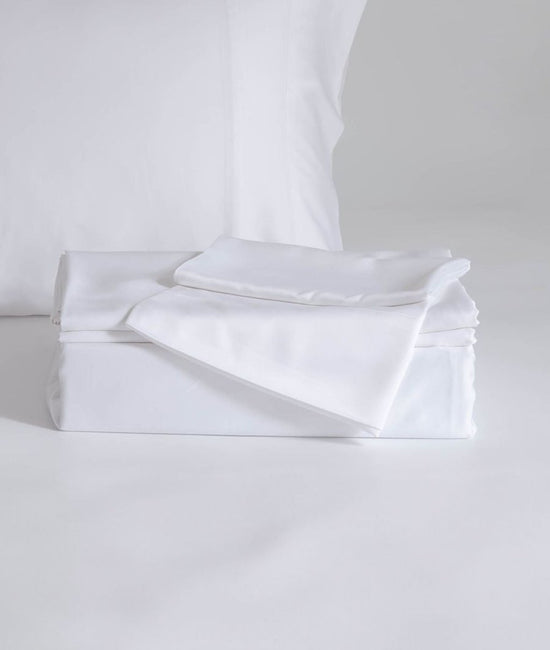
Soft, breathable, and moisture-wicking, Bamboo Sheets help move moisture away from the body and keep the sleep surface feeling cooler and more comfortable.
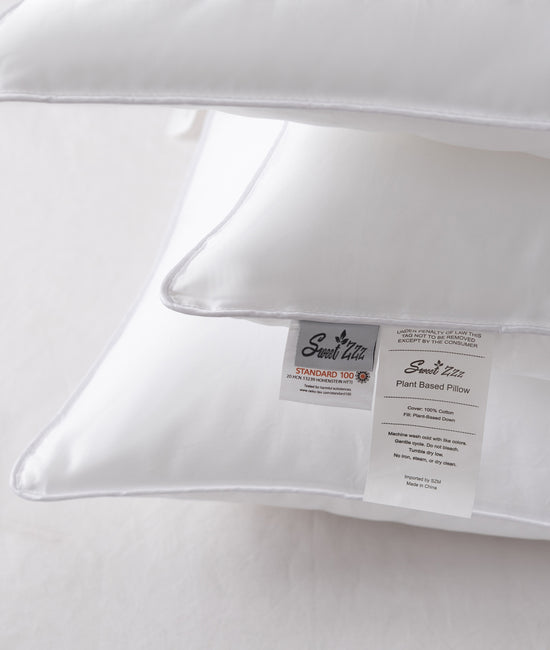
A breathable, supportive pillow helps keep the head and neck comfortable without adding unnecessary heat or tension.
The adjustable base helps you find a more comfortable position, elevate your legs or upper body, and relax before bed with massage. Better positioning can reduce pressure and make it easier for the body to settle.
If your body keeps overheating, your sleep setup should not make the problem worse.
It should help you stay cool, dry, and comfortable through the night.
Final Thoughts
Getting hot at night can happen for many reasons.
Sometimes it is the room.
Sometimes it is the bedding.
Sometimes it is the mattress.
Sometimes it is stress, hormones, food, alcohol, medication, illness, or another health issue.
The key is noticing the pattern.
If you wake up warm occasionally, start with your environment.
Cool the room.
Use breathable sheets.
Lighten the blankets.
Improve airflow.
Check your mattress materials.
But if you wake up drenched repeatedly, or if sweating comes with other symptoms, talk to a healthcare professional.
Because better sleep is not only about feeling comfortable.
It is about understanding what your body is trying to tell you.
And sometimes, the first step to sleeping better…
is simply helping your body cool down.