 800-811-7514
Why October Sleep Feels Different


October has its own feeling.
The air changes.
The nights get cooler.
The mornings feel darker.
The evenings arrive sooner.
The bedroom starts feeling different.
You may sleep under a heavier blanket for the first time in months.
You may wake up colder in the morning but still somehow overheat at night.
Your nose may feel stuffier.
Your body may feel stiffer.
Your energy may dip earlier in the evening.
And even if your sleep schedule has not changed much, sleep may simply feel different.
That is not your imagination.
October changes the conditions around sleep.
Light changes.
Temperature changes.
Humidity changes.
Allergens change.
Routines change.
Stress changes.
The bedroom changes.
And because sleep is deeply connected to the body’s environment, those seasonal changes can affect how easily you fall asleep, how often you wake, and how rested you feel in the morning.
So if October sleep feels different, there is probably a reason.
Maybe several.
Your Body Notices the Season Before You Do

Most people think of sleep as something that happens only at night.
But sleep is affected by the entire day.
When you wake up.
How much light you get.
How active you are.
When you eat.
How stressed you feel.
How warm or cool your room is.
What your bedding feels like.
How clean the air feels.
Your sleep-wake cycle follows a circadian rhythm, and NHLBI explains that light, darkness, and other cues help determine when you feel awake and when you feel drowsy.
That is why October can affect sleep in subtle ways.
The outside world changes.
And your body responds.
The Days Are Shorter

One of the biggest October changes is light.
The evenings get darker earlier.
The mornings may feel dimmer.
You may spend more time indoors.
Your body receives different light signals than it did in summer.
That can affect when you feel sleepy and when you feel alert.
Earlier darkness may make you feel tired sooner at night.
Darker mornings may make it harder to wake up.
Less daytime light may make your energy feel lower.
This does not mean something is wrong.
It means your body is reading the season.
Light is one of the strongest signals your internal clock uses, so when light changes, sleep can change with it.
Cooler Nights Can Help, But They Can Also Confuse Your Sleep

Cooler weather can be great for sleep.
Many people sleep better when the room is comfortably cool.
Sleep Foundation notes that the body’s temperature naturally drops during sleep and that a cooler room can make it easier to fall and stay asleep.
That is one reason October nights can feel so refreshing.
The heavy heat of summer fades.
The bedroom may feel calmer.
The sheets may feel fresher.
The bed may feel more inviting.
But October can also be inconsistent.
One night is warm.
The next night is chilly.
The room starts cool but gets too cold by morning.
You add a heavier blanket and then wake up hot.
You open a window and wake up congested.
So cooler weather helps sleep only when your bedroom setup adjusts with it.
The goal is not cold.
The goal is comfortable.
Heavier Bedding Can Accidentally Ruin Sleep

October is when people start changing bedding.
The thicker blanket comes out.
The comforter returns.
Maybe flannel sheets.
Maybe extra layers.
At first, it feels cozy.
But cozy can become too hot.
A heavy blanket may feel perfect when you get into bed, then trap heat by 2 a.m.
You wake up warm.
Kick off the covers.
Get cold.
Pull them back on.
Wake again.
This is one reason fall sleep can feel restless.
You are not too hot all night.
You are not too cold all night.
You are going back and forth.
That is why layering works better than jumping straight into winter bedding.
Breathable sheets, a light blanket, and an extra layer nearby often work better than one heavy cover that gives you no flexibility.
The Bedroom Air Starts Changing

October air can feel different too.
Depending on your home and climate, the air may become drier, dustier, cooler, or more closed in.
Windows may stay closed more often.
Heating systems may start running.
Dust may circulate.
Outdoor allergens may still be around.
Humidity may shift.
All of this can affect how the bedroom feels.
Dry air may irritate the nose and throat.
Dust can trigger sneezing or congestion.
A closed room can feel stale.
A damp room can feel heavy or musty.
Your bedroom is not just where you sleep.
It is the air you breathe for hours every night.
So when the air changes, sleep can feel different too.
Fall Allergies Can Still Be a Problem

Many people think allergies are only a spring issue.
But fall can bring its own problems.
Pollen, mold, dust, pet dander, damp leaves, closed windows, and indoor air changes can all affect sensitive sleepers.
You may notice:
-
Stuffy nose
-
Sneezing
-
Postnasal drip
-
Dry throat
-
Coughing
-
Itchy eyes
-
Mouth breathing
-
Restless sleep
Even mild congestion can affect sleep.
When breathing feels less comfortable, the body may wake more easily.
You may not fully remember every wake-up.
But the night feels lighter.
The morning feels less refreshing.
If October sleep feels stuffy or broken, your bedroom air and bedding may be part of the reason.
Darker Mornings Can Make Waking Up Harder

October mornings can feel heavier.
The alarm rings, but the room is still dark.
The air feels cooler.
The bed feels warmer.
The day feels slower to start.
That can make waking up harder, even if you slept enough.
Your body uses morning light as a wake-up signal. When mornings are darker, that signal may feel weaker. NHLBI explains that light and darkness help determine when you feel awake and when you feel drowsy.
That is why morning light matters more in fall.
Open the curtains quickly.
Turn on bright lights if it is still dark.
Step outside if possible.
Drink coffee near a bright window.
Do not let your body stay in “night mode” too long after waking.
A better October night often starts with a stronger October morning.
Your Mood and Energy May Shift

Some people feel emotionally different in fall.
Not necessarily depressed.
Just slower.
Less energetic.
More inward.
More tired earlier in the evening.
For some people, seasonal changes can be stronger. Mayo Clinic notes that seasonal affective disorder symptoms often appear in late fall or early winter and may include low energy, sluggishness, oversleeping, appetite changes, and mood symptoms.
That does not mean every tired October day is a medical issue.
But if your mood, energy, appetite, or sleep changes are strong, persistent, or affecting daily life, it is worth talking to a healthcare professional.
Seasonal changes are real.
But you do not have to push through serious symptoms alone.
Fall Routines Can Add Stress

October is not only a weather change.
It is a life rhythm change.
School is fully back.
Work often feels busier.
The holiday season is approaching.
Q4 pressure starts.
Schedules become more packed.
The relaxed feeling of summer is gone.
That mental load can affect sleep.
You may get into bed and start thinking:
What needs to be done tomorrow?
What did I forget?
What is coming next?
How is the year almost over?
Stress does not need to feel dramatic to disturb sleep.
Even low-level mental busyness can keep the brain alert at night.
A good October sleep routine needs a way to close the day before your head hits the pillow.
You May Move Less Without Realizing It

As the weather cools and days get shorter, people often move less.
Evening walks disappear.
Outdoor time shrinks.
More time happens indoors.
Work and school routines take over.
Less movement during the day can affect how ready your body feels for sleep at night.
You may feel mentally tired but physically restless.
The CDC includes regular exercise as one habit that supports healthy sleep.
That does not mean you need intense workouts at night.
A short walk, light stretching, or gentle movement during the day can help your body feel more settled when bedtime comes.
October Can Make Your Body Feel Stiffer

Cooler weather can make the body feel different.
You may wake up with tighter muscles.
Your back may feel stiffer.
Your shoulders may feel more tense.
Your hips may feel less relaxed.
Some of this may come from sleeping under heavier bedding, moving less during the day, colder mornings, or a mattress that no longer supports you well.
If your mattress is already too firm, colder weather may make pressure feel more noticeable.
If your mattress is too soft or sagging, your back may feel worse after long nights in bed.
If your pillow is wrong, neck and shoulder tension may become harder to ignore.
October does not always create the problem.
Sometimes it reveals the problem.
Your Mattress May Feel Different Under Fall Bedding

A mattress does not change just because the month changes.
But your experience of it can.
Add heavier blankets, warmer pajamas, closed windows, lower airflow, and cooler mornings, and suddenly the bed feels different.
Maybe it feels warmer.
Maybe it feels firmer.
Maybe pressure points become more noticeable.
Maybe you toss and turn more.
Maybe the mattress that seemed fine in summer starts feeling less comfortable in fall.
This is why October is a good time to check the bed honestly.
Are you waking up rested?
Or are you waking up hot, stiff, sore, congested, or tired?
Your sleep setup should support the season you are actually in.
Not the season you just left.
October Sleep Problems Often Come From Small Stacks

Sleep rarely changes because of one thing.
In October, it may be a stack of small things.
Less morning light.
Earlier darkness.
Heavier bedding.
Cooler air.
Dust.
Allergies.
More stress.
Less movement.
A mattress that traps heat.
A pillow that no longer supports you.
A room that feels stale.
None of these may seem huge alone.
But together, they can make sleep feel different.
More restless.
More broken.
Less refreshing.
That is why the solution does not have to be dramatic.
Small changes in the right places can make October sleep feel much better.
How to Sleep Better in October

1. Get Morning Light Early
October mornings can feel darker and slower.
Give your body a clear wake-up signal.
Open curtains.
Turn on lights.
Step outside if possible.
Morning light helps remind your body that the day has started.
2. Keep Your Wake-Up Time Steady
When days get shorter, your body needs rhythm.
Try to wake around the same time most days.
The CDC recommends keeping a consistent bedtime and wake time as part of healthy sleep habits.
This helps your internal clock stay more stable as the season changes.
3. Layer Bedding Instead of Using One Heavy Blanket
October temperatures can swing.
Layering gives you flexibility.
Use breathable sheets.
Add a light blanket.
Keep a warmer layer nearby.
This helps you avoid the too-hot, too-cold cycle that wakes people up.
4. Keep the Bedroom Cool, Not Cold
A cool room can help sleep.
But too cold can make the body tense.
The CDC recommends keeping the bedroom quiet, relaxing, and at a cool temperature.
Aim for comfort.
Cool enough to prevent overheating.
Warm enough that your body can relax.
5. Watch Bedroom Air Quality
Wash bedding regularly.
Dust near the bed.
Vacuum if needed.
Keep humidity balanced.
Consider an air purifier if dust, pollen, pets, or stale air bother you.
If the room smells musty or feels damp, deal with moisture early.
Air matters more than people think.
6. Move During the Day
Shorter days can make you less active.
Try to keep some movement in your routine.
Walk.
Stretch.
Go outside.
Do light exercise.
Your body often sleeps better when it has moved enough during the day.
7. Create a Stronger Wind-Down
October evenings can get dark early.
Use that darkness to slow down, not to scroll for hours.
Dim the lights.
Put work away.
Write tomorrow’s tasks.
Take a warm shower.
Read.
Stretch.
Pray, meditate, or breathe quietly.
Your body needs a transition from fall busyness to sleep.
8. Check Your Mattress and Pillow
Ask honestly:
Do I wake up stiff?
Do I wake up hot?
Do I wake up congested?
Do I toss and turn?
Do my shoulders or hips feel pressure?
Does my lower back feel supported?
Does my pillow keep my neck aligned?
If sleep feels worse as the weather changes, your sleep setup may need adjusting too.
When October Sleep Changes Need More Attention

Seasonal sleep changes can be normal.
But persistent problems deserve care.
Talk to a healthcare professional if you have ongoing insomnia, severe daytime sleepiness, loud snoring, gasping, breathing pauses, morning headaches, chronic pain, worsening mood, anxiety symptoms, depression symptoms, or strong seasonal changes that affect daily life.
Mayo Clinic notes that seasonal affective disorder symptoms can include low energy, oversleeping, and mood changes, and that seasonal patterns may need professional evaluation and treatment.
A better routine can help.
But serious or ongoing symptoms should not be ignored.
The Sweet Zzz Setup for October Sleep
October sleep needs balance.
Warm enough to feel cozy.
Cool enough to avoid overheating.
Supportive enough to reduce stiffness.
Breathable enough to stay comfortable through changing weather.
Clean enough to help the bedroom feel fresh.
🌿 Honey Hybrid Mattress
Designed to support spinal alignment, relieve pressure, and help your body stay comfortable through the night.
The GOLS organic latex gives responsive comfort, while individually pocketed coils provide stable support and help reduce motion transfer.
Its breathable organic materials help reduce overheating, which matters when fall bedding starts getting heavier.
The Honey Hybrid is made without polyurethane foams, fiberglass, chemical flame retardants, glues, formaldehyde, or heavy metals.
🌿 Bamboo Sheets
Soft, breathable, and moisture-wicking, Bamboo Sheets help keep the sleep surface comfortable when October nights shift between warm and cool.
They are especially helpful when you start layering blankets but still want the bed to feel fresh.
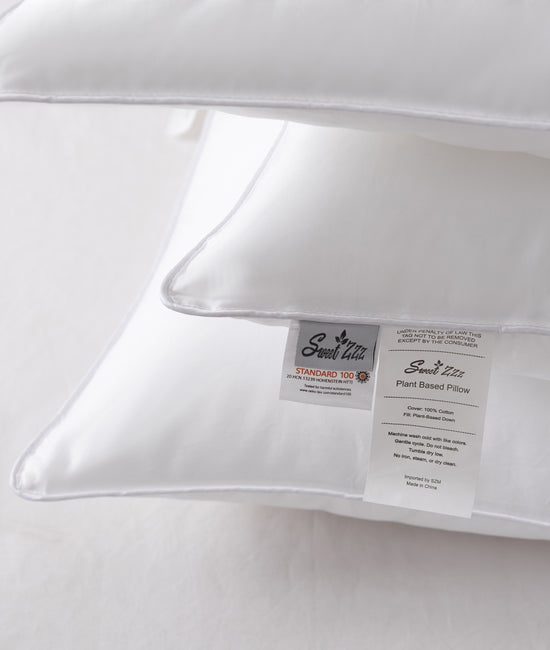
🌿 Plant-Based Pillow
Supports the head and neck so your upper spine can relax into better alignment.
This matters when cooler mornings already make the body feel stiffer.
🌿 Cooling Tencel Mattress Protector
Helps protect your mattress from moisture, spills, and everyday buildup while keeping the surface breathable and easier to maintain.
A cleaner sleep surface matters during dust and allergy season.
🌿 Adjustable Base
Helps you read, relax, elevate your head or legs, reduce pressure, and use massage before sleep.
It can be especially useful when colder weather, reflux, congestion, or body stiffness makes flat sleeping feel less comfortable.
🌿 White Noise Machine
Helpful when windows close, heating systems click on, outside sounds change, or the house feels too quiet.
Steady background sound can make the bedroom feel more predictable.
A good October sleep setup does not have to be complicated.
It just needs to help your body adjust to the season.
Final Thoughts
October sleep feels different because October is different.
The light changes.
The air changes.
The temperature changes.
The bedding changes.
The routines change.
Your body responds.
That does not mean your sleep is broken.
It means your sleep environment may need to change with the season.
Get morning light.
Keep a steady wake time.
Layer bedding.
Keep the room cool and comfortable.
Watch allergies and dust.
Move during the day.
Create a calmer evening routine.
Check whether your mattress and pillow still support you well.
October can make sleep feel harder.
But it can also make sleep feel deeper, calmer, and more restorative when your bedroom is set up right.
Because fall sleep should not feel like something you fight.
It should feel like your body finally settling into the season.