 800-811-7514
Why Sleep Gets Harder With Age (And What You Can Do About It)
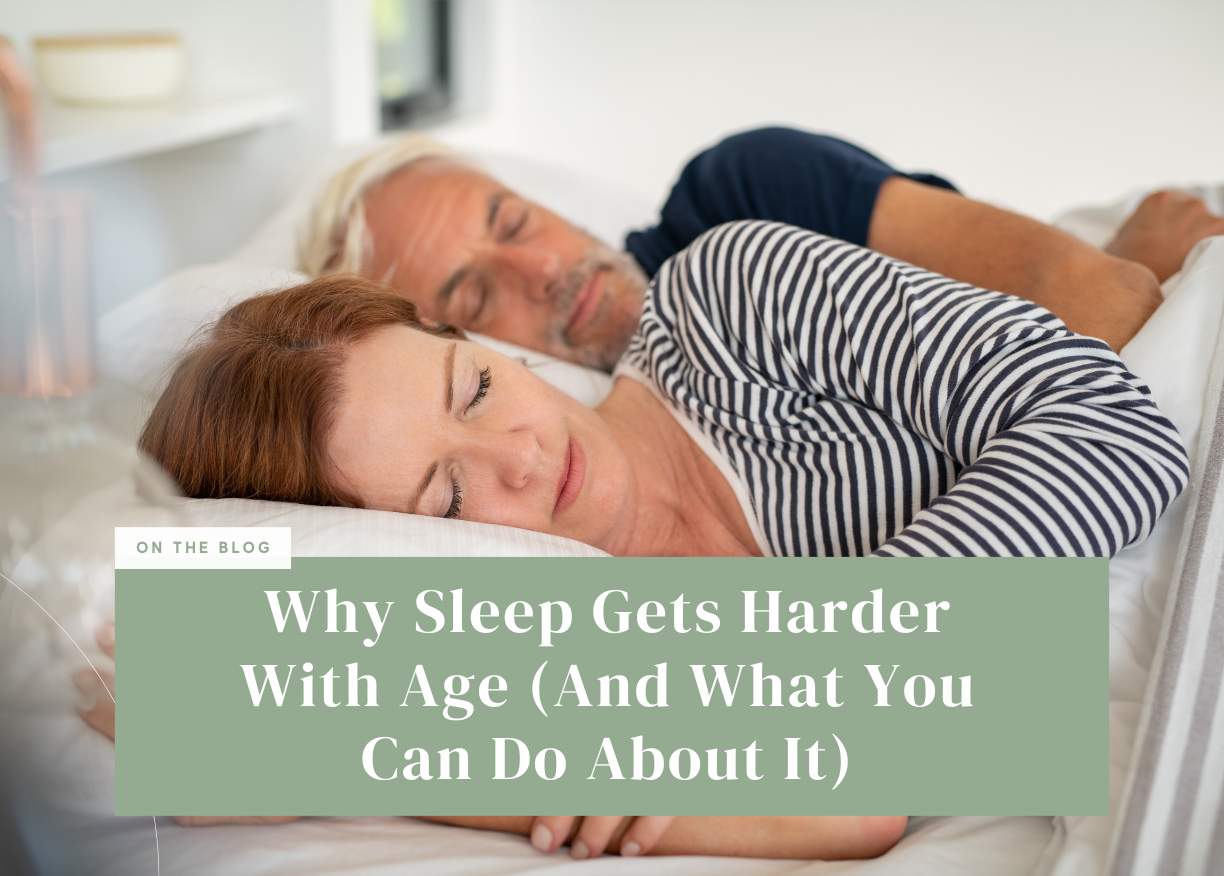

It’s a common experience.
You used to fall asleep easily.
Stay asleep longer.
Wake up feeling more rested.
But over time, something changes.
Sleep feels lighter.
More interrupted.
Less predictable.
So you wonder:
Is this just part of getting older—or can you actually improve it?
The answer is both.
First: Sleep Doesn’t Become Less Important With Age

There’s a common belief:
“You need less sleep as you get older.”
But that’s not really true.
Most adults—regardless of age—still need:
👉 7–8 hours of sleep
What changes isn’t the need for sleep.
It’s how easily your body maintains it.
1. Deep Sleep Naturally Decreases

As you age, the amount of deep sleep (the most restorative stage) tends to decline.
This means:
-
Sleep feels lighter
-
You wake up more easily
-
Recovery feels less complete
Even if you’re in bed the same amount of time.
2. Your Sleep Becomes More Fragmented

Older adults are more likely to:
-
Wake up during the night
-
Experience shorter sleep cycles
-
Have difficulty falling back asleep
These interruptions reduce overall sleep quality.
3. Your Internal Clock Shifts Earlier

Your circadian rhythm often moves forward with age.
You may:
-
Feel sleepy earlier in the evening
-
Wake up earlier in the morning
This is natural—but it can feel like lost sleep if your schedule doesn’t match it.
4. Hormonal Changes Affect Sleep

Changes in hormones—like melatonin—can impact:
-
Sleep timing
-
Sleep depth
-
Nighttime awakenings
Your body becomes more sensitive to external factors.
5. You Become More Sensitive to Your Environment

Things that didn’t matter before may now affect your sleep:
-
Temperature
-
Noise
-
Light
-
Physical discomfort
Sleep becomes less forgiving.
Why Sleep Feels Worse Even When You “Sleep Enough”

You may still get 7–8 hours.
But if that sleep is:
-
Lighter
-
Interrupted
-
Less restorative
it won’t feel the same.
Quality becomes more important than ever.
What Actually Helps Improve Sleep With Age

1. Prioritize Consistency
Same sleep and wake times help stabilize your rhythm.
2. Protect Deep Sleep
Minimize disruptions that break sleep cycles.
3. Manage Temperature Carefully
Your body becomes more sensitive to heat and cold.
4. Stay Physically Comfortable
Pressure and alignment matter more over time.
5. Accept Natural Changes—but Work With Them
Adjust your schedule instead of fighting your rhythm.
Why Your Sleep Setup Matters Even More Over Time
As sleep becomes lighter, your environment matters more.
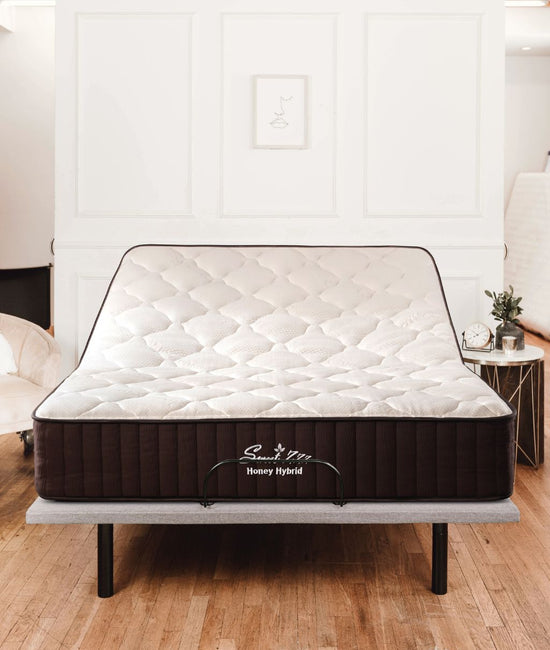
Honey Hybrid Mattress
Provides balanced support that reduces pressure and helps prevent frequent awakenings.
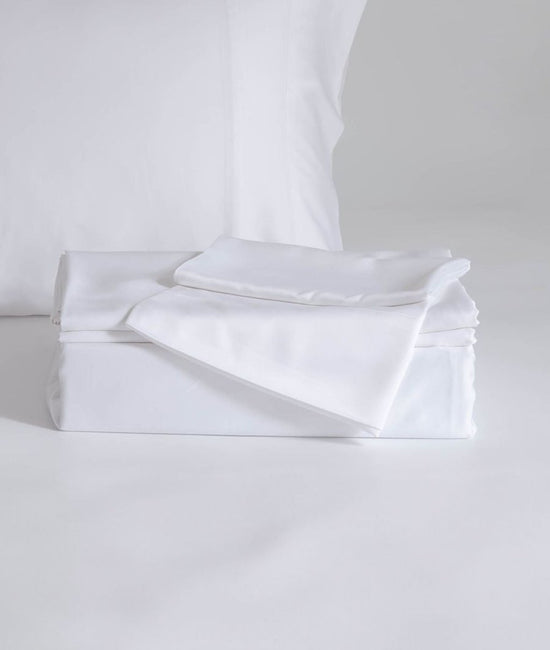
Bamboo Sheets
Regulate temperature, which becomes more important as your body’s sensitivity increases.
Adjustable Base
Allows gentle elevation for comfort, improved breathing, and better sleep positioning.
Small improvements have a bigger impact.
Final Thoughts
Sleep doesn’t get worse because you’re aging.
It changes—and becomes more sensitive.
The good news?
That means small adjustments can make a big difference.
When you support your body properly,
sleep can still feel deep, restful, and consistent.
At any age.