 800-811-7514
Why Your Afternoon Slump Feels Worse Than It Should
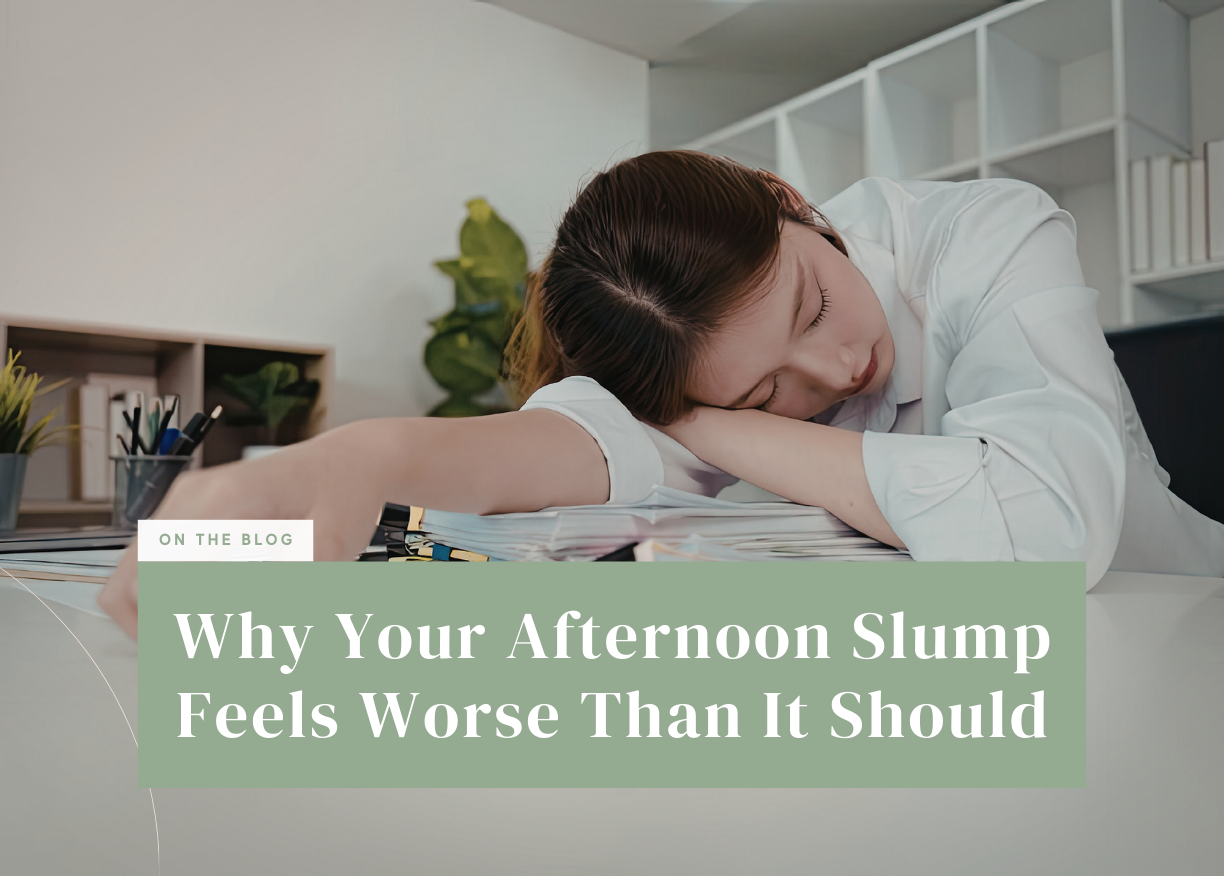

Why You Crash at 2 p.m. (And What Actually Helps)
That mid-afternoon energy crash isn’t random—it’s biological. In this article, we explain why the afternoon slump happens, what makes it worse, and how improving your sleep can smooth it out naturally.
1. Poor Nighttime Sleep

If you didn’t get enough deep sleep, your brain starts running low by mid-afternoon.
The slump isn’t new—it’s the bill for last night.
2. Blood Sugar Swings

Large carb-heavy lunches or sugary snacks spike blood sugar…
and then drop it quickly.
That crash feels like exhaustion.
3. Dehydration

Even mild dehydration reduces cognitive performance and alertness.
Most people drink less water in the morning than they think.
4. Too Much Caffeine, Too Early

Caffeine blocks adenosine (your sleep pressure chemical).
But when it wears off, that built-up pressure hits all at once—usually mid-afternoon.
5. Stress and Mental Fatigue

Decision-making and multitasking drain the brain.
By afternoon, cognitive fatigue shows up as sleepiness.
How to Beat the Afternoon Slump (Without Another Coffee)
1. Fix the Night Before
The strongest afternoon energy comes from consistent, deep sleep.
When your sleep is restorative, the slump becomes mild instead of overwhelming.
2. Get Morning Light

Sunlight within an hour of waking strengthens your circadian rhythm and smooths the afternoon dip.
3. Move for 5–10 Minutes

A short walk resets circulation and boosts alertness more effectively than caffeine.
4. Eat a Balanced Lunch

Combine protein, fiber, and healthy fats.Avoid heavy carb-only meals.
5. Try a 10–20 Minute Power Nap

If your schedule allows, a short nap before 3 p.m. can restore alertness without harming nighttime sleep.
6. Hydrate Before You Crash

Don’t wait until you feel tired to drink water.
Why Sleep Quality Changes Everything
If your afternoon slump feels extreme daily, your nights likely aren’t as restorative as you think.
Even if you sleep 7–8 hours, fragmented sleep from:
-
Pressure points
-
Overheating
-
Breathing disruptions
-
Movement
-
Stress
reduces how refreshed your brain feels the next day.
Supporting Better Recovery at Night
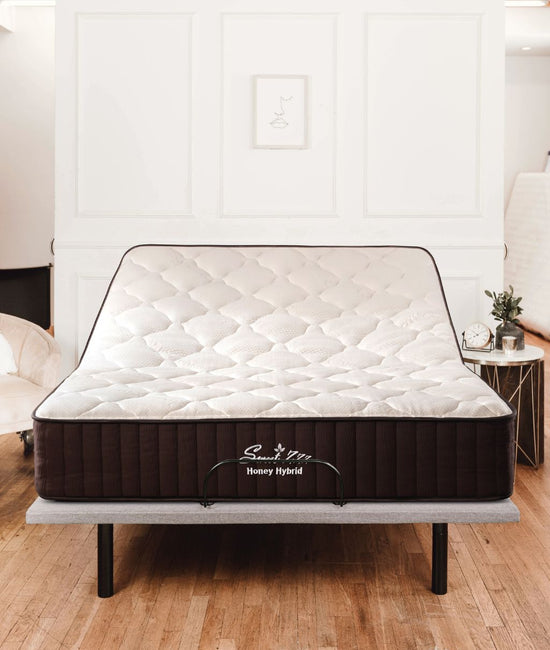
🌿 Honey Mattress
Reduces tossing and pressure buildup, allowing deeper sleep cycles that support next-day focus.
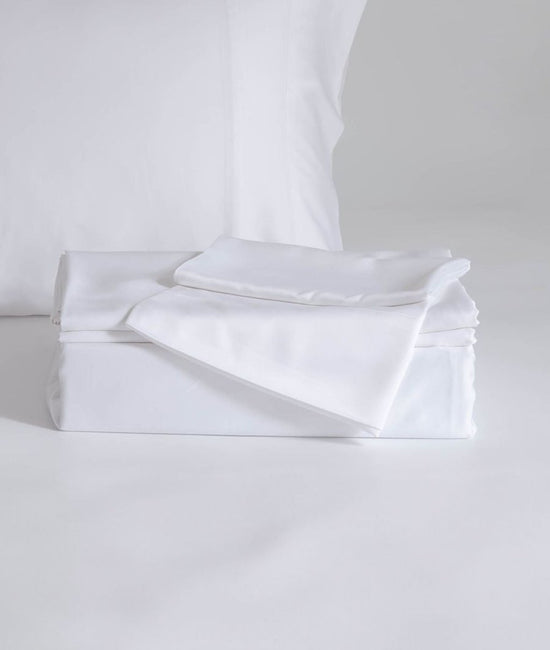
🌿 Bamboo Sheets
Temperature regulation prevents overheating—one of the biggest causes of shallow sleep.
🌿 Adjustable Base
Improves breathing and circulation with gentle elevation, helping your body reach deeper rest.
When your nights improve, afternoons become easier.
Final Thoughts
The afternoon slump isn’t a weakness—it’s a signal.
Sometimes it’s normal biology.
Sometimes it’s a reflection of how well you recovered the night before.
If your afternoons feel like survival mode, don’t just reach for caffeine.
Ask yourself how well you truly slept.
Because steady energy doesn’t start at 2 p.m.
It starts the night before.