 800-811-7514
Why Your Bedroom Feels Different When the Weather Changes


Some nights, your bedroom just feels different.
The mattress feels warmer.
The sheets feel cooler.
The air feels heavier.
Your nose feels stuffier.
The room feels darker earlier.
You wake up reaching for a blanket.
Then the next night, you kick it off again.
Nothing major changed.
Same room.
Same bed.
Same pillow.
But sleep feels different.
That is one of the strange things about seasonal change.
Your bedroom is not separate from the weather outside. It responds to temperature, humidity, light, air flow, allergens, and the way your body adjusts to a new season.
So if your sleep feels slightly off when the weather changes, you are not imagining it.
Your sleep environment is changing too.
Your Bedroom Has Its Own Climate

Most people think of bedroom comfort as one thing.
Is the bed comfortable or not?
But your bedroom has a whole sleep climate.
It includes:
-
Room temperature
-
Humidity
-
Air movement
-
Bedding weight
-
Sheet material
-
Light exposure
-
Noise
-
Dust and allergens
-
Mattress breathability
-
Your body temperature
When the weather changes outside, all of these can shift inside.
That means your bedroom may need small adjustments from season to season.
The same setup that felt perfect in July may feel wrong in September.
The same comforter that worked in winter may feel too heavy in spring.
The same open window that felt refreshing one month may bring pollen, noise, or dry air the next.
Sleep responds to these details.
Temperature Is Usually the First Thing You Notice

Temperature has a major effect on how comfortable sleep feels.
If the room is too warm, you may wake up sweaty, restless, or uncovered.
If it is too cold, you may tense up, curl tightly, or wake up searching for warmth.
The CDC recommends keeping the bedroom quiet, relaxing, and at a cool temperature as part of healthy sleep habits.
That is why seasonal transition months can feel tricky.
The temperature may not be consistent yet.
One night feels like summer.
The next morning feels like fall.
The air conditioner runs less.
The heat is not on yet.
Windows open and close depending on the night.
Your body does not love guessing.
A stable, comfortable sleep temperature can help the body settle more easily.
Cooler Nights Can Help, But Only If the Bed Still Feels Right

Many people sleep better when the room is cooler.
Cool air can make the bed feel more inviting and help the body settle into rest.
But cooler weather does not automatically mean better sleep.
If your bedding is too heavy, you may overheat under the covers.
If your sheets trap moisture, you may still wake up warm.
If the room gets too cold, your muscles may tense instead of relax.
The goal is not simply “cold.”
The goal is comfortable.
Cool enough to prevent overheating.
Warm enough that your body can relax.
That balance often changes when the season changes.
Humidity Can Completely Change How the Room Feels

Humidity is one of the most overlooked parts of bedroom comfort.
When the air is humid, the room can feel heavy, sticky, and harder to cool.
When the air is dry, your throat, nose, skin, and eyes may feel irritated.
Sleep Foundation notes that air that is too dry can contribute to dry skin, nasal irritation, sore throats, and nighttime coughing, while excessive humidity can make it harder for sweat to evaporate and create a stuffy sleep environment.
This is why the same temperature can feel different from one night to another.
A 68-degree room with dry air feels different than a 68-degree room with humid air.
Your body feels both.
Changing Humidity Can Affect Allergies Too

Humidity is not only about comfort.
It can also affect dust mites and mold.
Mayo Clinic notes that hot, humid homes can be breeding grounds for dust mites and mold.
That matters because seasonal transitions can create moisture problems.
Windows may collect condensation.
Bathrooms may stay damp longer.
Closets may feel musty.
Bedrooms may get less airflow.
Leaves, rain, and damp outdoor conditions may increase mold exposure.
If the bedroom starts smelling musty or feels damp, do not ignore it.
A room can be beautiful and still not feel healthy to sleep in.
Fall Allergens Can Follow You Inside

When weather changes, outdoor allergens change too.
In fall, many people deal with ragweed pollen, mold spores, damp leaves, dust mites, and more time indoors.
Mayo Clinic Health System notes that fall allergies can include symptoms such as sneezing, itchy and watery eyes, runny nose, coughing, and congestion, and that piles of damp leaves can be a place where mold grows.
Those symptoms may feel worse at night because the bedroom is where your face, pillow, sheets, and breathing space all come together.
You may bring allergens inside on clothes, hair, shoes, or pets.
Then they settle into the place where you are trying to rest.
That can make sleep feel more broken, even if the weather itself feels pleasant.
Light Changes Your Bedroom Too

Weather is not only about temperature.
It is also about light.
As seasons shift, sunrise and sunset times change. The bedroom may get darker earlier at night or stay darker later in the morning.
Your body uses light as one of its strongest timing signals.
NHLBI explains that your sleep-wake cycle follows a circadian rhythm, and that the light-dark cycle influences when your brain makes and releases hormones related to sleep.
That means seasonal light changes can affect when you feel sleepy, when you feel alert, and how easy it feels to wake up.
In September, earlier evenings can be helpful if they encourage a calmer nighttime routine.
But darker mornings can make waking up harder.
The bedroom may need a different light strategy as the season changes.
Your Evening May Feel Sleepier Earlier

As the days get shorter, evenings can feel different.
The house gets darker sooner.
Dinner may feel later than it is.
Your energy may dip earlier.
You may feel ready for bed before your usual time.
This can be helpful if your summer bedtime drifted too late.
Earlier darkness can support a better wind-down.
But it can also make you sluggish if you do not get enough light during the day.
That is why morning light becomes even more important during seasonal transitions.
Open the curtains.
Step outside.
Get bright light early.
Let your body know the day has started.
Good nights often begin with stronger morning signals.
Your Bedding May Need to Change Before the Weather Fully Changes

One of the biggest seasonal sleep mistakes is waiting too long to adjust bedding.
The weather may be changing gradually, but your body feels the change immediately.
A comforter that was perfect last month may suddenly feel too warm.
A lightweight blanket may not be enough by early morning.
Flannel may feel cozy too soon.
Thick bedding may cause overheating before winter even arrives.
Instead of switching everything at once, layer bedding.
Use breathable sheets.
Add a light blanket.
Keep a warmer layer nearby.
Choose bedding that lets you adjust during the night.
Layering gives you flexibility.
That matters when September gives you summer and fall in the same week.
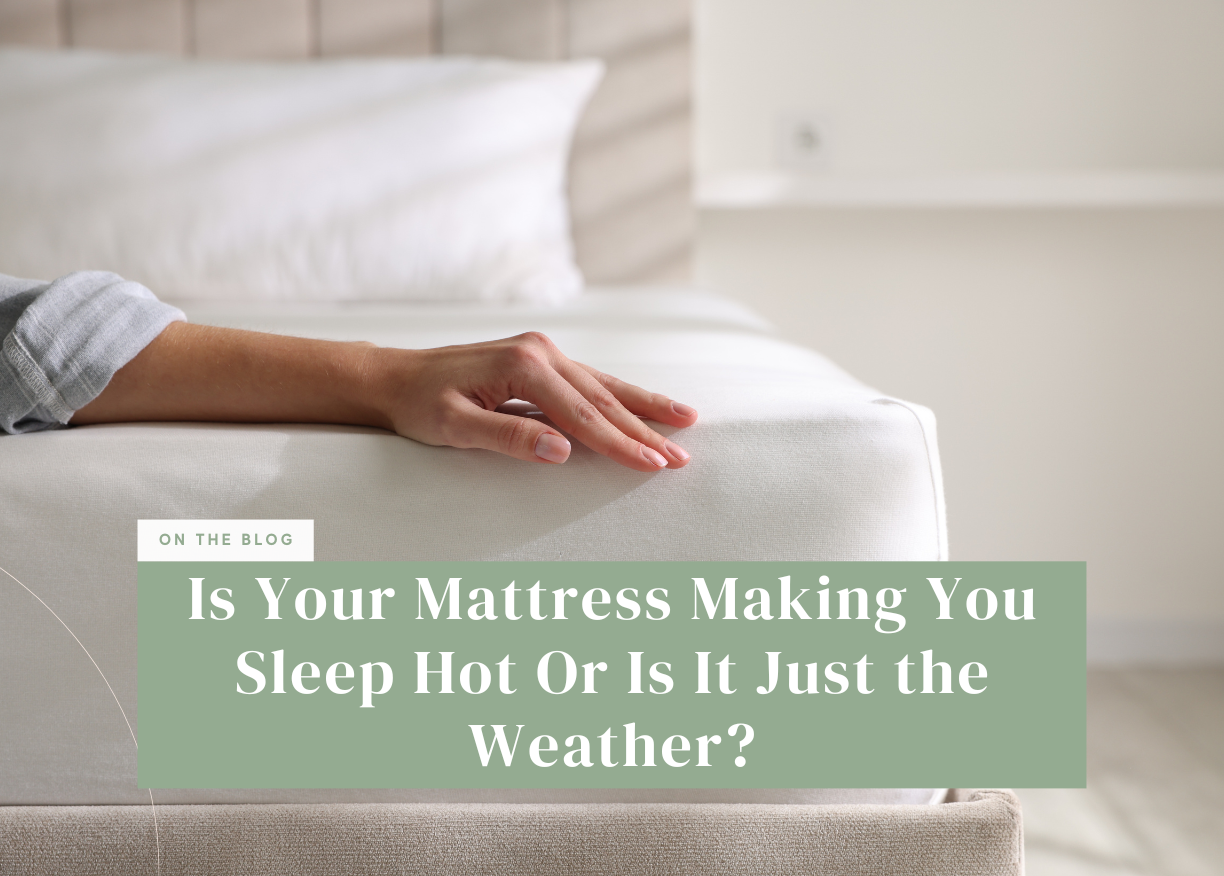
Your Mattress Can Sleep Differently in Different Seasons

Your mattress does not literally become a different mattress.
But it can feel different depending on the room.
If the room is warmer, the sleep surface may feel warmer.
If the room is humid, bedding may feel heavier.
If the mattress traps heat, the problem may feel worse during warm transition nights.
If your body is colder, a too-firm surface may feel less inviting.
This is why breathable materials matter.
A mattress that allows airflow and does not trap heat can help your body stay more comfortable through seasonal changes.
Your bed should not fight the weather.
It should help buffer you from it.
Air Flow Changes When You Stop Using AC

In summer, many homes rely heavily on air conditioning.
In fall, people often use it less.
That sounds simple, but it changes the bedroom.
Less air conditioning may mean less air movement.
Windows may open more often.
Outdoor air may bring pollen, noise, humidity, or dry air.
The room may feel stale in the morning.
Or it may feel too cool by dawn.
This is why air flow matters.
A fan, slightly open door, clean filter, air purifier, or adjusted vent can all make the room feel more balanced.
You want the room to feel fresh, not stagnant.
Heating Systems Can Stir Up Dust

As cooler weather approaches, many homes eventually turn the heat back on.
That first stretch of heating season can stir up dust and dry out the air.
Some people notice more sneezing, dry throat, congestion, or irritated skin when indoor heating returns.
If that happens, look at the basics:
Change or clean filters.
Dust the bedroom.
Wash bedding.
Vacuum around the bed.
Monitor humidity.
Keep the sleep surface clean.
The weather may be changing outside, but the air inside needs attention too.
Noise Can Change With the Season

Seasonal change can also change what you hear at night.
Air conditioners turn off.
Windows open.
Leaves move in the wind.
Rain becomes more common.
School traffic returns.
Neighbors change routines.
Heating systems click on.
Early morning sounds start at different times.
A sound that was hidden by summer AC may suddenly feel loud.
A quiet room may now feel too quiet.
If changing noise wakes you, steady background sound can help.
A fan, air purifier, or white noise machine can make the bedroom feel more predictable.
The goal is not always silence.
The goal is fewer sudden changes.
Your Body May Need Time to Adjust

Seasonal change is not only happening in the room.
It is happening in you.
Your body adjusts to different light patterns, different temperatures, different routines, and different levels of activity.
Maybe you are returning to work structure.
Maybe kids are back in school.
Maybe your evenings are busier.
Maybe mornings are earlier.
Maybe your mood shifts with less daylight.
All of this can affect sleep.
So if your sleep feels off for a few nights during a weather transition, do not panic.
Start with simple adjustments before assuming something is wrong.
How to Adjust Your Bedroom When the Weather Changes

1. Recheck the Room Temperature
Do not assume your summer setting still works.
Notice how the room feels at bedtime and near morning.
You may need a small change in thermostat, fan use, windows, or bedding.
2. Layer Bedding Instead of Switching Everything
Use breathable sheets and flexible layers.
That way you can adjust when the night starts warm but ends cool.
3. Watch Humidity
If the room feels sticky, damp, dry, or irritating, humidity may be part of the problem.
A simple humidity gauge can help you stop guessing.
4. Wash Bedding More Often During Allergy Season
If pollen, dust, or mold are triggers, clean bedding matters.
Your pillowcase is especially important because it sits so close to your face all night.
5. Keep Outdoor Allergens Out
On high pollen days, consider keeping bedroom windows closed.
Change clothes after outdoor time.
Shower before bed if symptoms are strong.
Keep shoes out of the bedroom.
6. Add Morning Light
If darker mornings make waking up harder, give your body a clear daytime signal.
Open curtains quickly.
Step outside if possible.
Use bright indoor light if mornings are dark.
7. Reduce Sudden Noise
If the bedroom sounds different with the season, create a steadier sound environment.
A fan, white noise machine, or quiet air purifier may help.
8. Check the Bed Itself
If your sleep still feels off after adjusting temperature, humidity, light, and routine, look at your mattress and pillow.
Are you waking up stiff?
Hot?
Sore?
Congested?
Restless?
Your room may have changed, but your bed may also be showing problems you ignored before.
When Seasonal Sleep Changes Need More Attention

Most seasonal sleep changes are normal and manageable.
But talk to a healthcare professional if sleep problems last for weeks, affect daily life, or come with symptoms like loud snoring, gasping, chest discomfort, severe congestion, frequent night sweats, chronic pain, or persistent daytime sleepiness.
A room adjustment can help comfort.
But it should not replace medical guidance when symptoms are ongoing or serious.
Why Your Sleep Setup Matters During Weather Changes
Seasonal sleep comfort depends on more than the thermostat.
Your mattress, sheets, pillow, and base all influence how your body handles changing weather.
🌿 Honey Hybrid Mattress
Designed with breathable organic materials, GOLS organic latex, and individually pocketed coils, the Honey Hybrid helps support airflow, pressure relief, and spinal alignment through seasonal changes.
It is made without polyurethane foams, fiberglass, chemical flame retardants, glues, formaldehyde, or heavy metals.
🌿 Bamboo Sheets
Soft, breathable, and moisture-wicking, Bamboo Sheets are especially helpful during transition months when some nights still feel warm and others feel cooler.
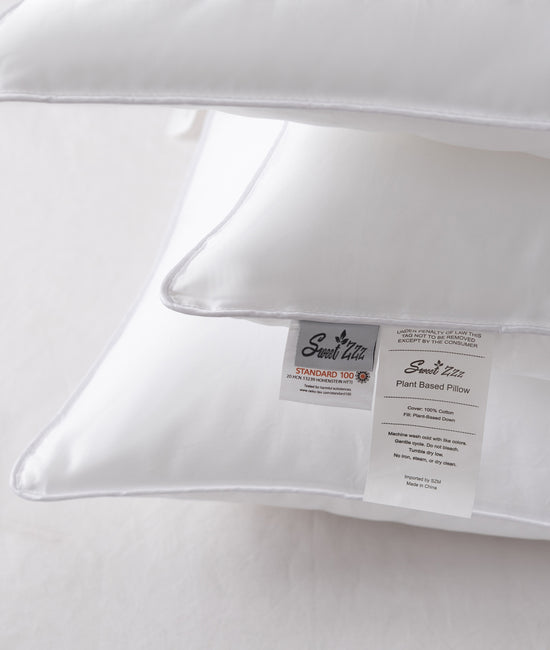
🌿 Plant-Based Pillow
A supportive pillow helps keep the head and neck aligned while giving your face a breathable, comfortable place to rest.
🌿 Cooling Tencel Mattress Protector
A protector helps keep the sleep surface cleaner and easier to maintain while adding a breathable layer of protection.
🌿 Adjustable Base
Helps you elevate your head or legs, read comfortably, reduce pressure, and relax before bed with massage. It can be especially helpful when seasonal congestion, reflux, or body discomfort makes flat sleeping feel less comfortable.
A weather change does not mean you need a whole new bedroom.
But it may mean your bedroom needs to adapt.
Final Thoughts
Your bedroom changes when the weather changes.
The temperature shifts.
Humidity rises or drops.
Light changes.
Airflow changes.
Allergens change.
Noise changes.
Your bedding feels different.
Your body responds differently.
That is why a bed that felt perfect one month can suddenly feel too warm, too cold, too stuffy, or less comfortable the next.
The answer is not to overcomplicate sleep.
It is to pay attention.
Adjust the layers.
Control the room temperature.
Watch humidity.
Keep bedding clean.
Get morning light.
Reduce allergens.
Make the bedroom feel fresh, calm, and comfortable again.
Sleep is seasonal because your body is seasonal.
And when your bedroom changes with the weather instead of fighting it, rest becomes easier to find.