 800-811-7514
Why Your Body Feels Stiffer in the Fall
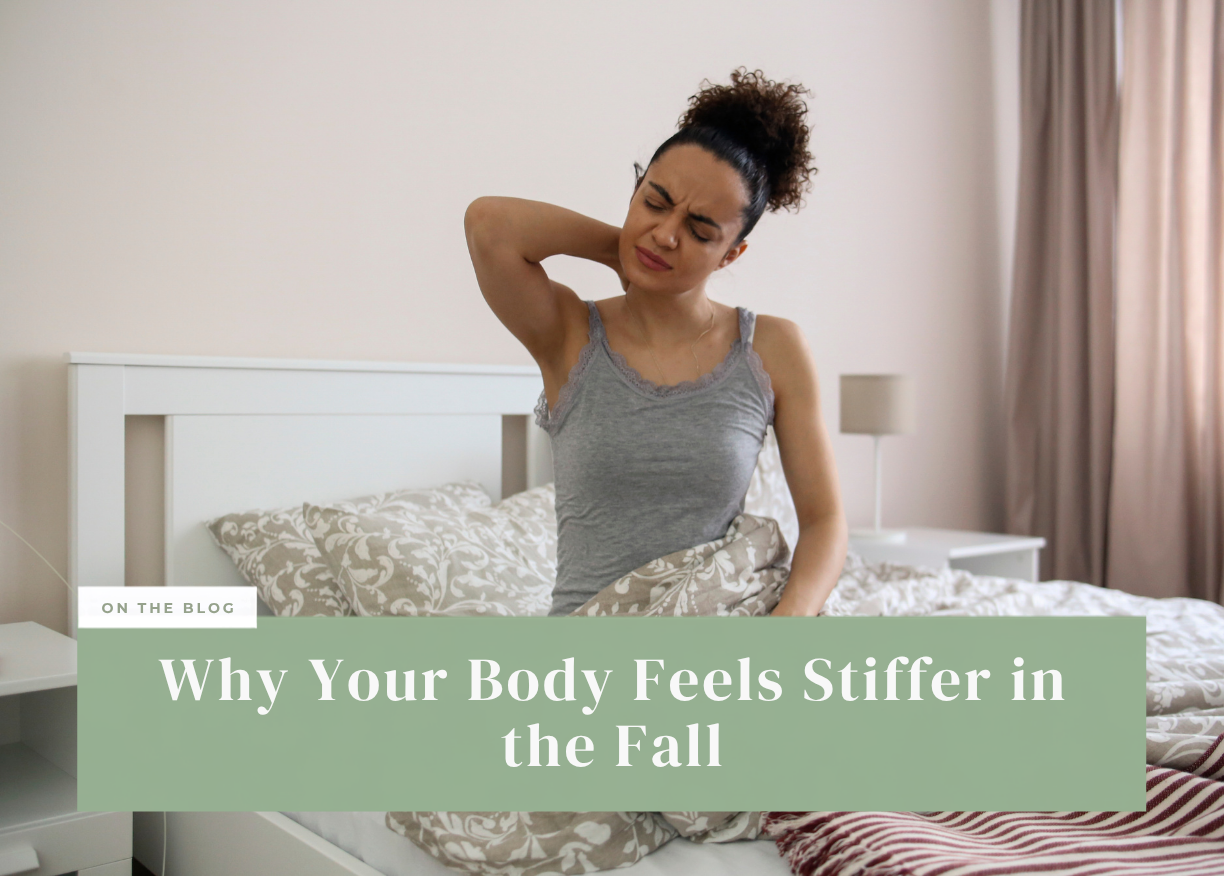

Fall mornings can make your body feel different.
You wake up and your back feels tighter.
Your neck takes longer to loosen.
Your hips feel less relaxed.
Your shoulders feel tense.
Your knees feel slower going down the stairs.
Your whole body needs a few minutes before it feels ready for the day.
At first, you may blame age.
Or sleep.
Or yesterday’s workout.
Or the weather.
And honestly, it may be a little bit of everything.
Fall changes more than the temperature outside.
It changes your movement, your bedding, your bedroom air, your routine, your light exposure, and sometimes even your mood and stress levels.
Your body responds to all of that.
So if you feel stiffer in the fall, it does not always mean something serious is wrong.
But it does mean your body may need better support, better movement, and a better sleep setup as the season changes.
Cold Weather Can Make Stiffness More Noticeable

Many people feel more aches and stiffness when temperatures drop.
Cleveland Clinic notes that cold weather may contribute to joint pain and stiffness, and that people may feel more soreness as muscles and joints change with age. It also recommends getting persistent, worsening, or swollen joint pain checked by a healthcare professional.
That does not mean cold weather is always the cause.
But colder weather can make discomfort harder to ignore.
Your body may feel tighter.
Your joints may feel slower.
Your muscles may feel less warm and loose in the morning.
A mattress or pillow that felt tolerable in summer may suddenly feel less forgiving.
Fall may not create every ache.
Sometimes it simply reveals what your body was already dealing with.
You May Move Less Without Realizing It

Fall can quietly reduce movement.
The days get shorter.
Evening walks disappear.
Outdoor errands feel less appealing.
The couch feels more inviting.
You spend more time indoors.
You sit longer.
You stretch less.
And when the body moves less, stiffness can increase.
CDC explains that physical activity helps adults feel better, function better, and sleep better, and that sitting less and doing any amount of moderate or vigorous activity has health benefits.
That is important because stiffness is not only about what happens at night.
It is also about what happens during the day.
A body that barely moves all day may feel tighter when it gets into bed.
Then after hours of stillness, it may feel even stiffer in the morning.
Fall stiffness often starts before bedtime.
Cooler Mornings Can Make Your Body Feel Slower

Warm weather can make the body feel looser.
Cooler mornings can do the opposite.
You get out of bed and your muscles feel less ready.
You may walk slower.
Stretch more.
Move carefully for the first few minutes.
This can be more noticeable if you sleep in a cool room, use heavy blankets, or stay in one position for a long time.
Your body may need a little warm-up before it feels normal.
That does not mean the bedroom should be hot.
A cooler bedroom can help many people sleep better.
But if you wake up tense, curled tightly, or chilled, your sleep setup may be too cold for your body.
Cool is good.
Cold and tense is not.
Heavier Bedding Can Restrict Movement

Fall bedding feels wonderful at first.
Thicker blankets.
Warmer comforters.
More layers.
A cozier bed.
But heavier bedding can also make it harder to move naturally during the night.
If the blanket feels heavy, tangled, or restrictive, you may stay in one position longer than your body wants.
That can lead to more stiffness by morning.
You may also overheat under the bedding, kick it off, get cold, and pull it back on.
That back-and-forth can make sleep more restless.
Fall bedding should be warm enough to relax under, but not so heavy that your body feels trapped.
Layering usually works better than one oversized, heavy comforter.
Your Mattress May Be Creating Pressure Points

A mattress that does not fit your body can make stiffness worse.
If it is too firm, your shoulders and hips may take too much pressure.
If it is too soft, your hips may sink too far and strain your lower back.
If it is sagging, your body may rest in a curved position for hours.
If it traps heat, you may toss and turn more.
Sleep Foundation explains that a mattress should support spinal alignment while also providing enough comfort and pressure relief for your body.
That balance matters even more in fall.
When your body already feels colder or tighter, pressure points can become more noticeable.
A mattress should help your body recover overnight.
Not give your body something else to recover from in the morning.
Your Pillow May Be Making Neck and Shoulder Stiffness Worse

Many people blame the mattress for all morning stiffness.
But the pillow matters too.
Your pillow controls the position of your head and neck for hours.
If it is too high, your neck may bend upward.
If it is too low, your head may drop.
If it is flat or lumpy, your muscles may stay active all night trying to stabilize your head.
That can lead to:
Neck stiffness.
Shoulder tension.
Upper back tightness.
Headaches.
Arm numbness.
Restless sleep.
Fall mornings can make that tension feel even stronger.
So if you wake up stiff from the shoulders up, check the pillow before blaming everything on the mattress.
Your neck should not have to work while you sleep.
Cold Weather Can Make Old Mattress Problems Harder to Ignore

A mattress can fail slowly.
You may not notice the change day by day.
But your body notices.
Especially when the season changes.
Look for signs like:
Visible dips.
Soft spots where your hips rest.
Rolling toward the middle.
Weak edges.
More tossing and turning.
Waking up stiff.
Sleeping better away from home.
If your mattress is sagging or no longer supportive, fall may make the problem more obvious.
That is because cooler weather, heavier bedding, and less movement can make your body less forgiving.
A mattress that was already borderline may finally start feeling wrong.
Stress Can Show Up as Body Tension

Fall can be busy.
Work gets more serious.
School routines are fully back.
The end of the year starts feeling closer.
Holiday planning begins.
Schedules get packed.
Your body may carry that stress as tension.
Jaw tightness.
Shoulder tightness.
Neck tightness.
Lower back tightness.
Clenched hands.
Restless sleep.
Stress does not stay only in the mind.
It can show up in the body.
If you go to bed tense and wake up stiff, your evening routine may need more space to unwind.
Not just more sleep.
A rushed bedtime can carry the whole day into your muscles.
You May Be Sleeping in One Position Too Long

Some movement during sleep is normal.
Changing positions helps reduce pressure and keeps the body from staying loaded in one place all night.
But in fall, several things can reduce movement:
Heavy blankets.
A cold room.
A mattress that makes turning harder.
A body that is tired and less active.
A partner or pet taking space.
When you stay in one position too long, certain areas can feel stiff.
Shoulders.
Hips.
Lower back.
Neck.
Knees.
If you wake up stiff in the same areas every morning, your body may not be moving comfortably through the night.
A responsive mattress and lighter bedding can help make movement easier.
Fall Allergies Can Also Affect Stiffness Indirectly

Allergies may not seem connected to stiffness.
But poor breathing can lead to restless sleep.
Fall allergies, dust, dry air, and closed windows can cause congestion, coughing, mouth breathing, or nighttime waking.
If sleep becomes lighter and more broken, the body may not recover as well.
You may wake up feeling tired and tense.
A stuffy room can also make you sleep in awkward positions as you try to breathe more comfortably.
So if fall stiffness comes with congestion, dry throat, or restless sleep, look at the bedroom air too.
Your body cannot relax deeply if it is fighting the room all night.
Dry Air Can Make Mornings Feel Rougher

Cold weather and heating systems can dry out indoor air.
Dry air may irritate your nose, throat, mouth, skin, and eyes.
You may wake up feeling tight, dry, and uncomfortable.
This may not directly cause joint stiffness, but it can make mornings feel rougher overall.
If the room is too dry, you may wake up more often, drink water, breathe through your mouth, or sleep less deeply.
Balanced air helps the body feel more comfortable through the night.
A clean humidifier may help some people.
But too much humidity can create other problems like mold and dust mites.
The goal is not humid.
The goal is balanced.
Fall Can Make Arthritis Symptoms More Noticeable

For people with arthritis, fall and cold weather may make symptoms feel more noticeable.
Cleveland Clinic explains that arthritis causes joint pain, stiffness, and inflammation, and notes that some people find arthritis feels worse during certain weather, including cold and damp conditions.
If you already have arthritis or joint issues, colder weather may require more attention to movement, warmth, support, and medical guidance.
A better mattress can help support comfort.
But it cannot treat arthritis.
If stiffness is persistent, worsening, swollen, or limiting your daily life, talk to a healthcare professional.
Do not assume it is “just fall.”
The Difference Between Normal Stiffness and a Warning Sign

Some morning stiffness improves quickly.
You get up.
Move around.
Stretch a little.
Take a warm shower.
And your body feels better.
That can be common.
But stiffness should not be ignored if it is severe, persistent, worsening, or connected to other symptoms.
Talk to a healthcare professional if you notice:
Swelling.
Redness.
Warm joints.
Severe pain.
Pain after injury.
Weakness.
Numbness.
Pain that spreads down the leg.
Stiffness that lasts a long time every morning.
Pain that affects walking, work, sleep, or daily life.
Mayo Clinic notes that back pain is one of the most common reasons people seek medical help, and it recommends medical care sooner when back pain comes with warning signs such as unexplained weight loss, a history of cancer, urinary changes, or other concerning symptoms.
A seasonal sleep reset is helpful.
But serious symptoms deserve real care.
How to Feel Less Stiff in the Fall

1. Move Earlier in the Day
Do not wait until evening if earlier darkness steals your motivation.
Walk in the morning.
Stretch at lunch.
Do light strength work.
Take stairs.
Move during daylight.
Even small amounts of movement can help your body feel less locked up.
2. Stretch Gently Before Bed
You do not need an intense routine.
Just a few gentle movements can help signal your body to relax.
Focus on:
Hips.
Hamstrings.
Calves.
Lower back.
Shoulders.
Neck.
Do not force deep stretches.
The goal is to release tension, not create soreness.
3. Use Warmth Wisely
A warm shower or bath before bed can help the body relax.
Warmth can also feel soothing for stiffness.
Cleveland Clinic notes that heat therapy can help soothe stiff joints.
The key is not overheating yourself before sleep.
Use warmth to relax.
Then keep the bedroom comfortably cool.
4. Layer Bedding Instead of Trapping Yourself
Use breathable sheets.
Add a light blanket.
Keep a warmer layer nearby.
Avoid one heavy blanket that makes movement difficult.
Your bedding should keep you warm without pinning you in place.
5. Keep the Bedroom Cool, Not Cold
If you wake up curled tightly or chilled, the room may be too cold.
If you wake up sweaty, the bedding may be too warm.
Adjust both.
Cold-weather sleep needs balance.
6. Check Your Mattress Support
Your mattress should keep your spine supported and reduce pressure.
If your hips sink too much, your lower back may feel worse.
If your shoulders and hips feel compressed, the mattress may be too firm.
If there are dips, sagging, or soft spots, the support may be failing.
7. Check Your Pillow Height
Your pillow should keep your head and neck aligned.
If you wake with neck or shoulder stiffness, try adjusting pillow height, shape, or support.
A good mattress cannot fully fix a bad pillow.
8. Do Not Ignore Daytime Sitting
Long sitting can make hips, hamstrings, and lower back feel tighter.
If you work at a desk, stand up regularly.
Walk for a few minutes.
Stretch your hip flexors.
Move your shoulders.
Your night may improve when your day includes more movement.
Morning Routine for Fall Stiffness

Try this when you wake up stiff:
Sit up slowly.
Take a few deep breaths.
Roll shoulders gently.
Move your ankles and wrists.
Stand carefully.
Walk around for a minute.
Do gentle stretches.
Use a warm shower if needed.
Get morning light.
Do not judge your whole day by the first 60 seconds out of bed.
Sometimes the body just needs a transition.
But if stiffness is strong, lasts a long time, or keeps returning, pay attention.
Evening Routine for Fall Stiffness

A better morning starts the night before.
Try:
A short walk after dinner.
Light stretching.
A warm shower.
Breathable bedding.
A comfortable room temperature.
Phone away before bed.
Pillow adjusted.
Blankets layered.
Mattress checked for support.
Your body should not enter bed cold, tense, stressed, and unsupported.
The goal is to help the body feel safe enough to release.
Why Your Sleep Setup Matters More in Fall

Fall creates the perfect conditions for stiffness:
Cooler mornings.
Less movement.
Heavier bedding.
Darker evenings.
More sitting.
Closed windows.
Dry air.
Stress.
If your mattress, pillow, sheets, or blankets are already working against you, fall makes that more obvious.
Your sleep setup should help your body stay aligned, warm enough, breathable, and free to move.
That means:
The mattress should support your body.
The pillow should support your neck.
The sheets should breathe.
The blankets should be flexible.
The room should be cool but not cold.
The air should feel comfortable.
When all of that works together, your body has a better chance to wake up loose instead of locked up.
The Sweet Zzz Setup for Fall Stiffness
A better sleep setup cannot control the weather.
But it can help your body rest more comfortably through seasonal changes.
🌿 Honey Hybrid Mattress
The Honey Hybrid is designed to support spinal alignment, relieve pressure, and help reduce the kind of discomfort that can make mornings feel stiff.
The GOLS organic latex provides responsive comfort, while individually pocketed coils offer stable support and help reduce motion transfer.
That balance matters in fall because your body may need both pressure relief and strong support as colder weather makes stiffness more noticeable.
Its breathable organic materials also help reduce heat buildup under heavier fall bedding.
The Honey Hybrid is made without polyurethane foams, fiberglass, chemical flame retardants, glues, formaldehyde, or heavy metals.
Choose the firmness that fits your sleep position:
Medium-Soft for side sleepers and pressure relief.
Medium-Firm for back sleepers, couples, and combination sleepers.
Firm for stomach sleepers and stronger support.
Honey Hybrid Plus for an extra firm feel around 9 out of 10.
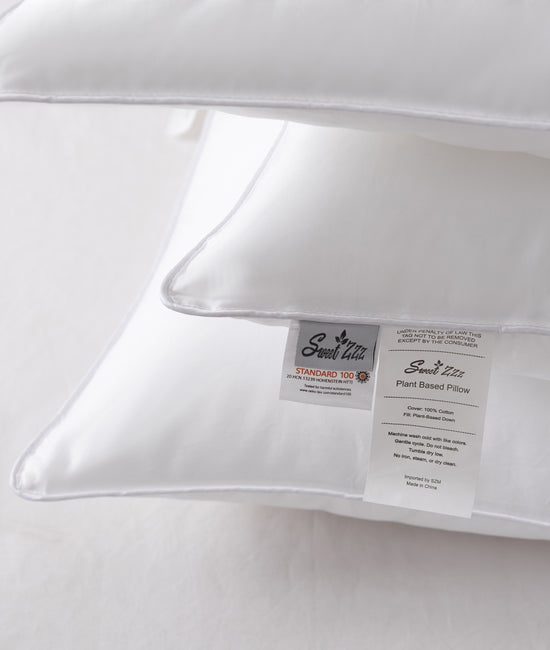
🌿 Plant-Based Pillow
Supports the head and neck so your upper spine can relax into better alignment.
If fall mornings bring neck and shoulder stiffness, your pillow should be one of the first things you check.
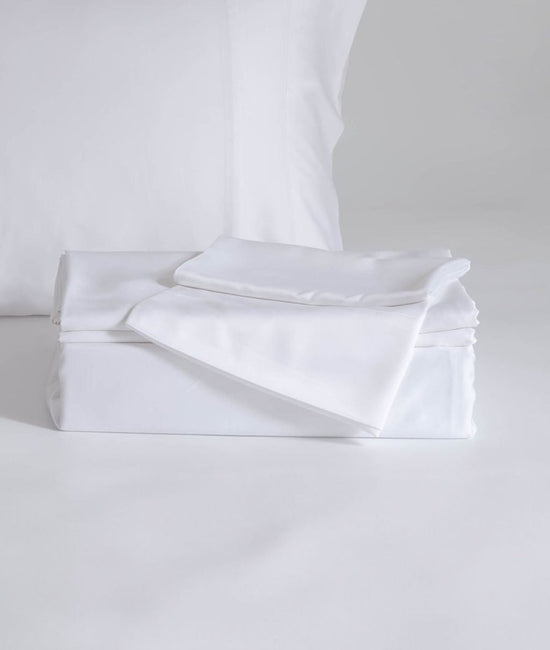
🌿 Bamboo Sheets
Soft, breathable, and moisture-wicking, Bamboo Sheets help keep the sleep surface comfortable under fall bedding.
They help you stay cozy without trapping too much heat or moisture.
🌿 Organic Latex Topper
Helpful if your mattress is still supportive but feels too firm.
It adds pressure relief for shoulders, hips, and other pressure points.
But if your mattress is sagging or too soft, a topper may not solve the deeper support problem.
🌿 Adjustable Base
Helps you elevate your head or legs, read comfortably, relax with massage, and reduce pressure before sleep.
For fall stiffness, a more comfortable wind-down position can make bedtime feel easier on the body.
🌿 White Noise Machine
If fall sounds, heating systems, wind, or apartment noise make your sleep lighter, steady sound can help the bedroom feel more predictable.
Better sleep quality can make the body feel better in the morning.
A fall sleep setup should not only make the bed cozy.
It should help your body recover.
Final Thoughts
Your body may feel stiffer in the fall for many reasons.
Colder weather.
Less movement.
Heavier bedding.
Longer sitting.
Darker evenings.
Dry air.
Stress.
A mattress that no longer supports you.
A pillow that keeps your neck tense.
A room that is too cold, too warm, too dry, or too stuffy.
The solution is not just adding another blanket.
The solution is helping your body move better, relax better, and sleep on a setup that supports you properly.
Move during the day.
Stretch gently.
Use warmth wisely.
Layer bedding.
Keep the room cool but comfortable.
Check your mattress.
Check your pillow.
Pay attention to symptoms that do not improve.
Fall stiffness is common.
But it should not become your new normal.
Your body deserves a bedroom that helps it loosen, recover, and wake up ready for the day.
Not one that makes the season feel heavier than it already is.