 800-811-7514
Why Your Sleep Changes in the Spring (And How to Adjust)

Spring feels like a fresh start.
Longer days.
Warmer weather.
More energy.
But for many people, sleep quietly becomes… inconsistent.
You go to bed at the same time—but don’t feel as sleepy.
You wake up earlier than usual.
Or your sleep just feels lighter.
So what’s going on?
Your Body Is Reacting to More Light

The biggest change in spring isn’t temperature.
It’s light.
As days get longer:
-
Sun rises earlier
-
Sun sets later
-
Your exposure to light increases
Light directly affects your circadian rhythm—the system that controls when you feel awake and when you feel sleepy.
More light = your body shifts its timing.
1. You Produce Melatonin Later at Night

Melatonin is your sleep hormone.
It rises when it gets dark.
In spring:
-
Evenings stay brighter longer
-
Your brain delays melatonin release
-
You don’t feel sleepy at your usual time
So even if you go to bed at the same hour, your body may not be ready yet.
2. You Wake Up Earlier (Even Without Trying)
Morning light is powerful.
It signals your brain to wake up—whether you want to or not.
As sunlight enters earlier:
-
Your body starts waking sooner
-
Your sleep window shifts forward
This can shorten your total sleep time without you realizing it.
3. Your Energy Feels Different—But Not Always Better

Spring often brings:
-
More activity
-
More social time
-
More time outdoors
That sounds positive—but it can also:
-
Increase mental stimulation
-
Disrupt routines
-
Delay wind-down time
Your schedule becomes less predictable—and so does your sleep.
4. Temperature Starts Playing a Role
Warmer nights can:
-
Make it harder to fall asleep
-
Cause more awakenings
-
Reduce deep sleep
Even small changes in temperature can affect sleep quality.
5. Allergies Begin to Interfere

For many people, spring also means:
-
Congestion
-
Sneezing
-
Airway irritation
This can affect breathing at night—making sleep lighter and less restful.
Why Spring Sleep Feels “Off”

It’s not one big change.
It’s several small ones happening at the same time:
-
Light shifts
-
Schedule changes
-
Temperature increases
-
Environmental factors
Your body just needs time to adjust.
How to Adjust Your Sleep for Spring
1. Control Light at Night
Dim your environment earlier—even if it’s still bright outside.
2. Get Morning Sun Intentionally
This helps anchor your rhythm and keeps your schedule stable.
3. Keep Your Bedtime Consistent
Even when your evenings become more active.
4. Manage Temperature
A cooler sleep environment becomes more important as the season changes.
5. Wind Down Properly
Don’t let longer days eliminate your nighttime routine.
Why Your Sleep Setup Matters More in Seasonal Changes
When your environment shifts, your bed should stay consistent.
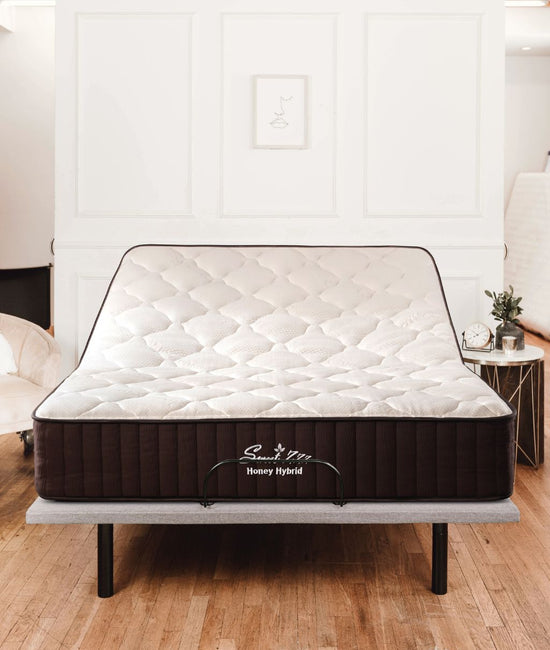
Honey Hybrid Mattress
Provides stable support so your body doesn’t have to adapt physically while everything else is changing.
Bamboo Sheets
Help regulate temperature as nights get warmer—preventing overheating.
Adjustable Base
Supports comfortable positioning, helping your body settle even when your rhythm feels slightly off.
Consistency in your sleep environment helps balance seasonal changes.
Final Thoughts
Spring doesn’t ruin your sleep.
It shifts it.
And when you understand why it’s happening, it becomes much easier to adjust.
A few small changes—light, timing, and comfort—can bring your sleep back into rhythm quickly.
Because even as the seasons change…
your body still knows how to rest.