 800-811-7514
7 Hours vs. 8 Hours of Sleep: Does One Hour Really Matter?

One hour does not sound like much.
It’s one extra episode.
One more scroll.
One late conversation.
One more task before bed.
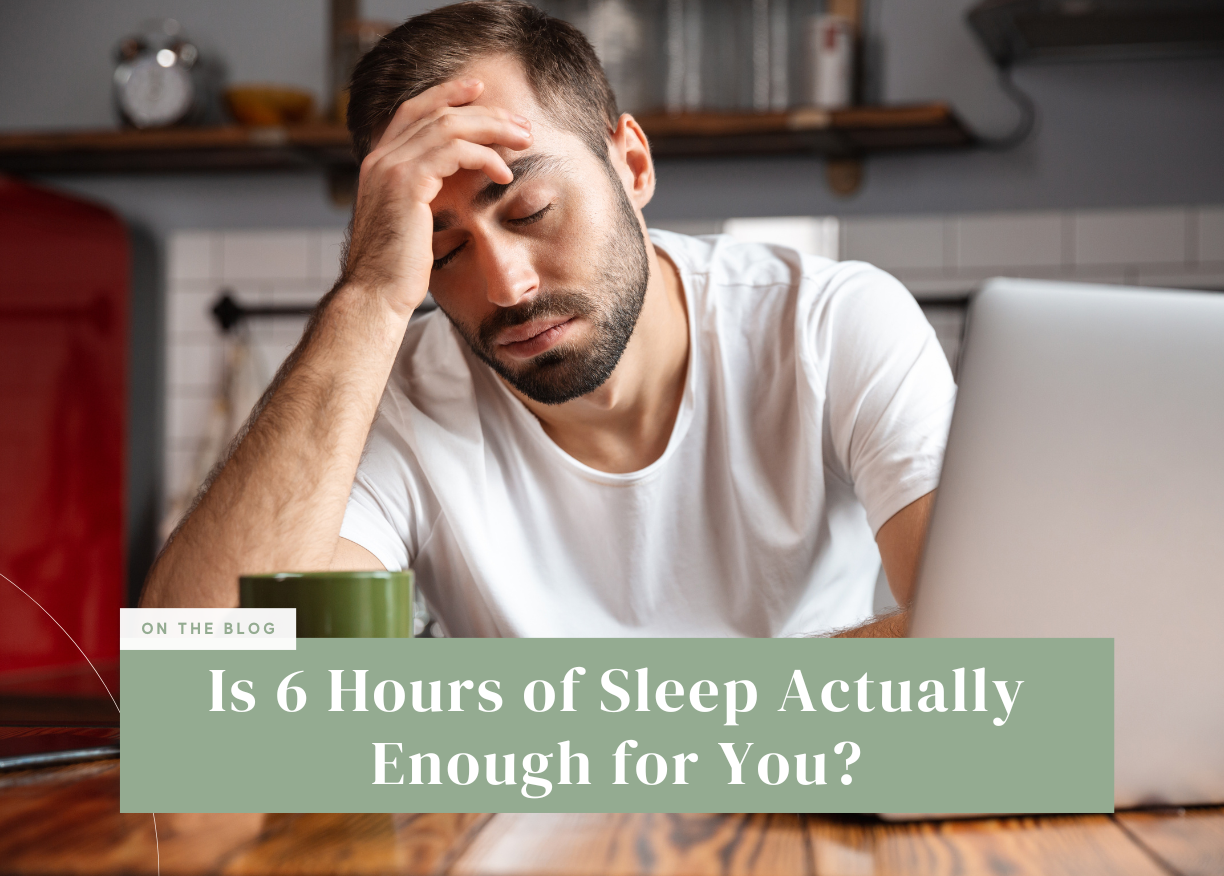
So if you sleep 7 hours instead of 8, does it really matter?
The honest answer is:
It depends.
For some people, 7 hours may be enough.
For others, that missing hour can be the difference between feeling rested and dragging through the day.
Sleep is not about hitting one perfect number.
It’s about getting enough quality rest for your body to recover.
First: 7 Hours Is Not “Bad Sleep”

Let’s clear this up first.
Seven hours of sleep can be completely healthy for many adults.
The CDC states that adults generally need 7 or more hours of sleep in a 24-hour period.
The American Academy of Sleep Medicine also recommends that adults sleep 7 or more hours per night on a regular basis to support health, productivity, and daytime alertness.
So the goal is not always 8 hours exactly.
The goal is usually 7 or more, depending on the person.
That means 7 hours can be enough.
But it has to be good sleep.
Why 8 Hours Became the Famous Number

Eight hours became popular because it sits comfortably in the normal adult sleep range.
It is simple.
Easy to remember.
Useful as a general goal.
But it is not a magic number.
Some people feel great with 7 hours and 15 minutes.
Others feel best closer to 8 and a half.
Some need more during stressful seasons, illness, heavy training, pregnancy, recovery, or emotionally demanding periods.
Your body is not a machine with one fixed setting.
Sleep needs can shift.
The Difference Between 7 and 8 Hours Adds Up

One hour may not sound like much for one night.
But across a week, it becomes 7 hours.
That is basically an entire extra night of sleep.
If your body truly needs 8 hours and you only give it 7, you may slowly build a sleep debt.
At first, you may still function.
You may still answer emails.
Drive.
Work.
Take care of family.
Get things done.
But functioning is not the same as fully recovering.
Over time, that missing hour may show up as:
-
Brain fog
-
More caffeine dependence
-
Mood swings
-
Lower patience
-
More cravings
-
Weaker focus
-
Slower reaction time
-
Feeling tired by afternoon
Not dramatic at first.
Just a quiet decline in how well you feel.
Quality Matters as Much as Quantity

Here’s the part many people miss:
Seven hours of deep, steady, high-quality sleep may feel better than 8 hours of broken sleep.
If you sleep 8 hours but wake up from heat, pain, snoring, reflux, stress, or discomfort, your body may not recover well.
The NHLBI explains that getting enough quality sleep at the right times is important for mental health, physical health, quality of life, and safety.
So the question is not only:
Did I sleep 7 or 8 hours?
The better question is:
Did my sleep actually restore me?
How to Know If 7 Hours Is Enough for You

Seven hours may be enough if you usually:
-
Wake up reasonably refreshed
-
Can focus during the day
-
Do not feel sleepy while driving
-
Do not rely heavily on caffeine to function
-
Feel emotionally steady
-
Have steady energy most days
-
Fall asleep at a normal time the next night
You do not need to wake up feeling perfect every morning.
But you should feel functional.
Clear enough.
Steady enough.
Rested enough.
If 7 hours gives you that consistently, it may be enough for you.
How to Know If You Need Closer to 8 Hours

You may need more than 7 hours if you regularly:
-
Wake up tired
-
Feel sleepy during the day
-
Crash in the afternoon
-
Feel mentally foggy
-
Get irritated easily
-
Need multiple coffees to function
-
Fall asleep quickly whenever you sit still
-
Struggle to wake up without snoozing
-
Feel better on weekends when you sleep longer
That last one matters.
If you sleep 7 hours during the week but naturally sleep 8 or 9 on weekends, your body may be telling you something.
You may not be lazy.
You may be under-slept.
Your Sleep Need Is Personal

Two people can sleep the same number of hours and feel completely different.
One person sleeps 7 hours and wakes up sharp.
Another sleeps 7 hours and feels destroyed.
That difference can come from:
-
Age
-
Stress
-
Health
-
Activity level
-
Genetics
-
Sleep quality
-
Sleep timing
-
Medications
-
Sleep disorders
-
Recovery needs
This is why comparing yourself to someone else is not always helpful.
Your body gives the best feedback.
The Danger of “I’m Used to It”

Many people say:
I only need 6 or 7 hours.
And sometimes that is true.
But sometimes, they are just used to feeling tired.
The NHLBI notes that it is a myth that people can learn to get by on little sleep with no negative effects.
That does not mean everyone needs 9 hours.
It simply means your body may adapt to functioning tired without truly performing or recovering at its best.
You may not notice how tired you are until you finally sleep better for a while.
What About 6 Hours?

Six hours is where things become more concerning for most adults.
Some people claim they feel fine on 6 hours, but for most adults, regularly sleeping less than 7 hours is below the recommended amount.
One short night is not a disaster.
Life happens.
But if 6 hours becomes your normal pattern, your body may not be getting enough recovery.
The issue is not one bad night.
It is chronic short sleep.
What If You’re in Bed 8 Hours But Still Tired?

Then the problem may not be the number.
It may be sleep quality.
You could be dealing with:
-
Heat
-
Pain
-
Stress
-
Anxiety
-
Insomnia
-
Snoring
-
Sleep apnea
-
Reflux
-
Restless legs
-
Poor mattress support
-
A bad pillow
-
Partner movement
If you sleep 8 hours and still wake up exhausted most days, pay attention.
Especially if you snore loudly, gasp, wake with headaches, or feel sleepy during the day.
That may be a sign to talk to a healthcare professional.
A Better Goal Than “7 or 8”

Instead of obsessing over one exact number, aim for this:
Enough sleep that you can function well without constantly fighting fatigue.
For many adults, that will be around 7 to 9 hours.
Some nights will be shorter.
Some will be longer.
That is normal.
What matters is your usual pattern.
Healthy sleep is not a single perfect night.
It is a rhythm your body can depend on.
How to Find Your Ideal Sleep Amount

Try this for one or two weeks:
1. Keep Your Wake Time Consistent
Wake up at roughly the same time each day.
This helps stabilize your body clock.
2. Move Bedtime Earlier Gradually
If you usually sleep 7 hours, try giving yourself 30 minutes more.
See how your body responds.
3. Track How You Feel, Not Just the Hours
Pay attention to:
-
Energy
-
Mood
-
Focus
-
Cravings
-
Afternoon sleepiness
-
Morning grogginess
Your body’s response matters more than the number alone.
4. Watch Weekend Sleep
If you keep sleeping much longer on weekends, your weekday sleep may be too short.
5. Improve Sleep Quality
Before assuming you need much more time, reduce the things that keep waking you.
Cool the room.
Reduce caffeine late in the day.
Improve comfort.
Keep the room dark.
Address snoring or reflux if needed.
Better sleep may make the hours you already get feel more restorative.
Why Your Sleep Setup Matters
Whether you sleep 7 hours or 8, those hours need to count.
Your body needs comfort, support, airflow, and fewer interruptions.
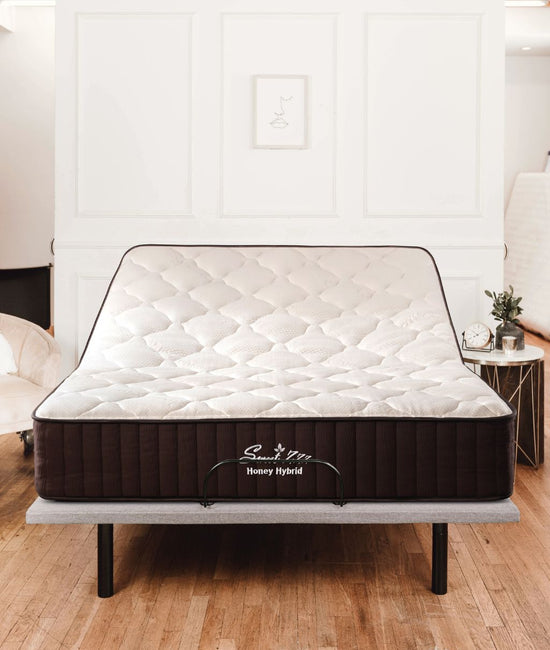
Designed to support spinal alignment and relieve pressure so your body can stay comfortable through the night. Its breathable organic materials help reduce overheating, while GOLS organic latex and pocketed coils support natural movement.
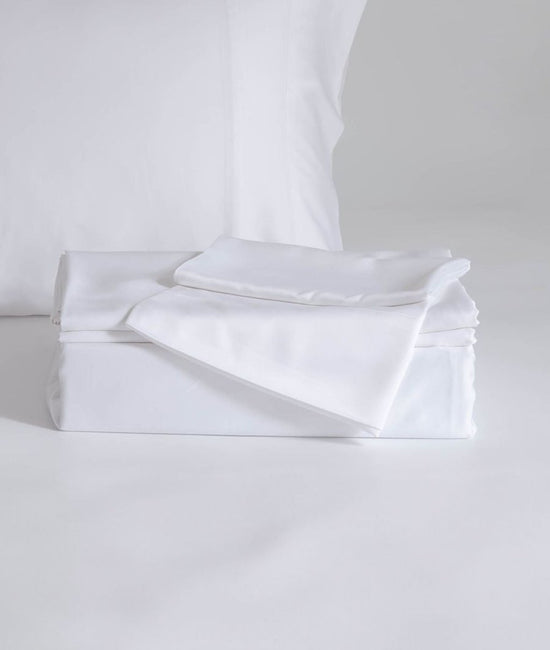
Soft, breathable, and moisture-wicking, they help regulate temperature so heat and sweat do not interrupt your sleep.
Supports the head and neck so your body can stay aligned and relaxed.
Helps you find a more comfortable position, elevate your head or legs, reduce pressure, and relax before sleep with massage.
Because the difference between 7 and 8 hours matters less if both are restless.
But when your sleep environment helps you stay comfortable and undisturbed, every hour becomes more valuable.
Final Thoughts
So, does one hour of sleep really matter?
Sometimes, yes.
If your body needs 8 hours and you regularly give it 7, that missing hour can slowly add up.
But 7 hours is not automatically bad.
For many adults, 7 hours of high-quality sleep can be enough.
The real question is not:
Did I get exactly 8 hours?
The real question is:
Did I get enough quality sleep for my body to recover?
If the answer is yes, you are probably on the right track.
If the answer is no, that extra hour may be exactly what your body has been asking for.