 800-811-7514
Is 6 Hours of Sleep Actually Enough for You?

You hear it all the time:
“I function fine on 6 hours.”
And maybe you do.
You get through the day.
You stay productive.
You don’t feel completely exhausted.
So it raises the question:
Do you really need more than 6 hours of sleep—or is that enough?
First: “Functioning” Isn’t the Same as “Optimal”

This is where most people get it wrong.
You can function on less sleep.
But that doesn’t mean your body is:
-
Fully recovered
-
Performing at its best
-
Getting what it actually needs
There’s a difference between:
👉 Getting by
👉 And fully restoring
What Most Adults Actually Need

For most people, the recommended range is:
👉 7–9 hours of sleep per night
This allows for:
-
Full sleep cycles
-
Deep sleep
-
REM sleep
-
Physical and mental recovery
6 hours usually falls short of that.
Why 6 Hours Might Feel Fine

Your body adapts.
When you consistently sleep less:
-
Your brain adjusts
-
Fatigue becomes your “normal”
-
You stop noticing the difference
But adaptation doesn’t mean optimization.
What Happens With Chronic 6-Hour Sleep

Over time, getting less sleep can affect:
1. Focus and Reaction Time
You may:
-
Process information more slowly
-
Miss small details
-
Feel mentally less sharp
2. Mood and Stress
Less sleep often leads to:
-
Irritability
-
Lower patience
-
Increased stress sensitivity
3. Physical Recovery
Your body has less time to:
-
Repair tissues
-
Regulate hormones
-
Restore energy
4. Long-Term Health
Chronic sleep restriction has been linked to:
-
Weakened immune function
-
Metabolic changes
-
Increased fatigue over time
Are There Exceptions?

A small percentage of people can truly function well on less sleep.
But this is rare.
Most people who think they’re fine on 6 hours are:
👉 Used to it—not thriving on it
How to Know If 6 Hours Is Enough for You

Ask yourself:
-
Do I wake up feeling refreshed—without an alarm?
-
Do I stay energized throughout the day?
-
Do I rely on caffeine to function?
-
Do I feel focused and clear?
If the answer is no, you likely need more sleep.
Quality vs. Quantity

It’s not just about hours.
If your sleep is:
-
Interrupted
-
Too warm
-
Physically uncomfortable
-
Light
even 7–8 hours may not feel like enough.
That’s why quality matters just as much.
How to Improve Sleep (Beyond Just Sleeping Longer)

1. Focus on Consistency
Same sleep and wake times help your body recover better.
2. Protect Deep Sleep
That’s where most restoration happens.
3. Reduce Nighttime Disruptions
Small interruptions add up.
Why Your Sleep Setup Still Matters
If your sleep quality is low, you’ll feel tired no matter how long you sleep.
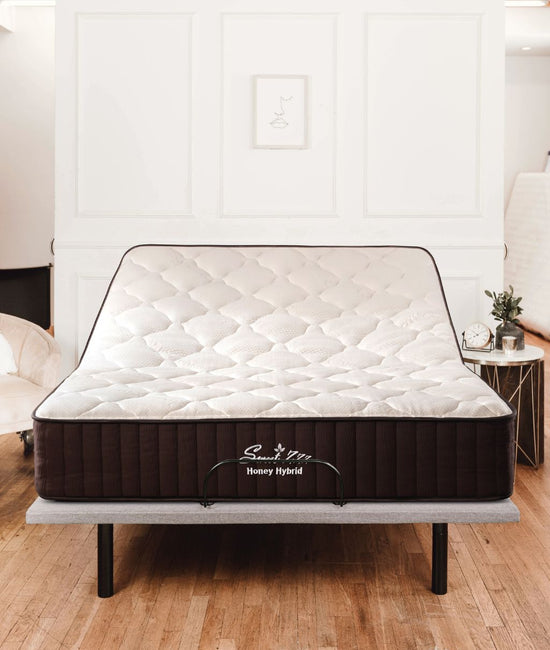
Honey Hybrid Mattress
Helps your body stay supported and relaxed—allowing deeper, more effective sleep.
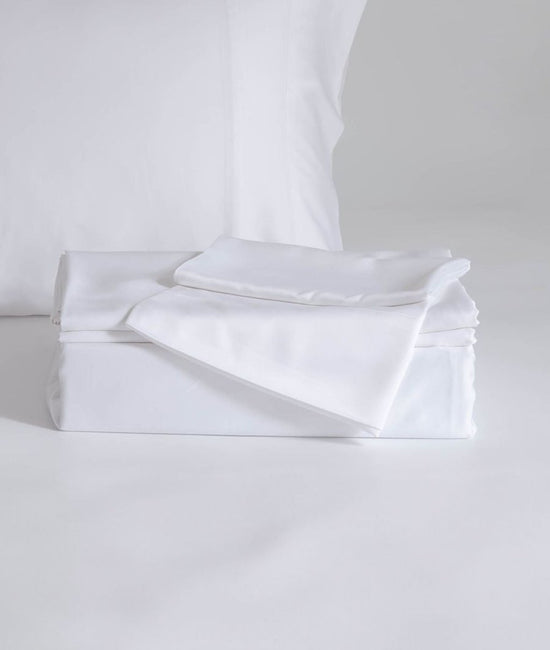
Bamboo Sheets
Keep your temperature stable, preventing restless nights.
Adjustable Base
Supports comfort and breathing, helping you stay asleep longer.
Better sleep means your hours actually count.
Final Thoughts
6 hours might feel enough.
But for most people, it’s not.
The goal isn’t just to get through the day.
It’s to feel clear, energized, and fully recovered.
And that usually takes more than 6 hours.