 800-811-7514
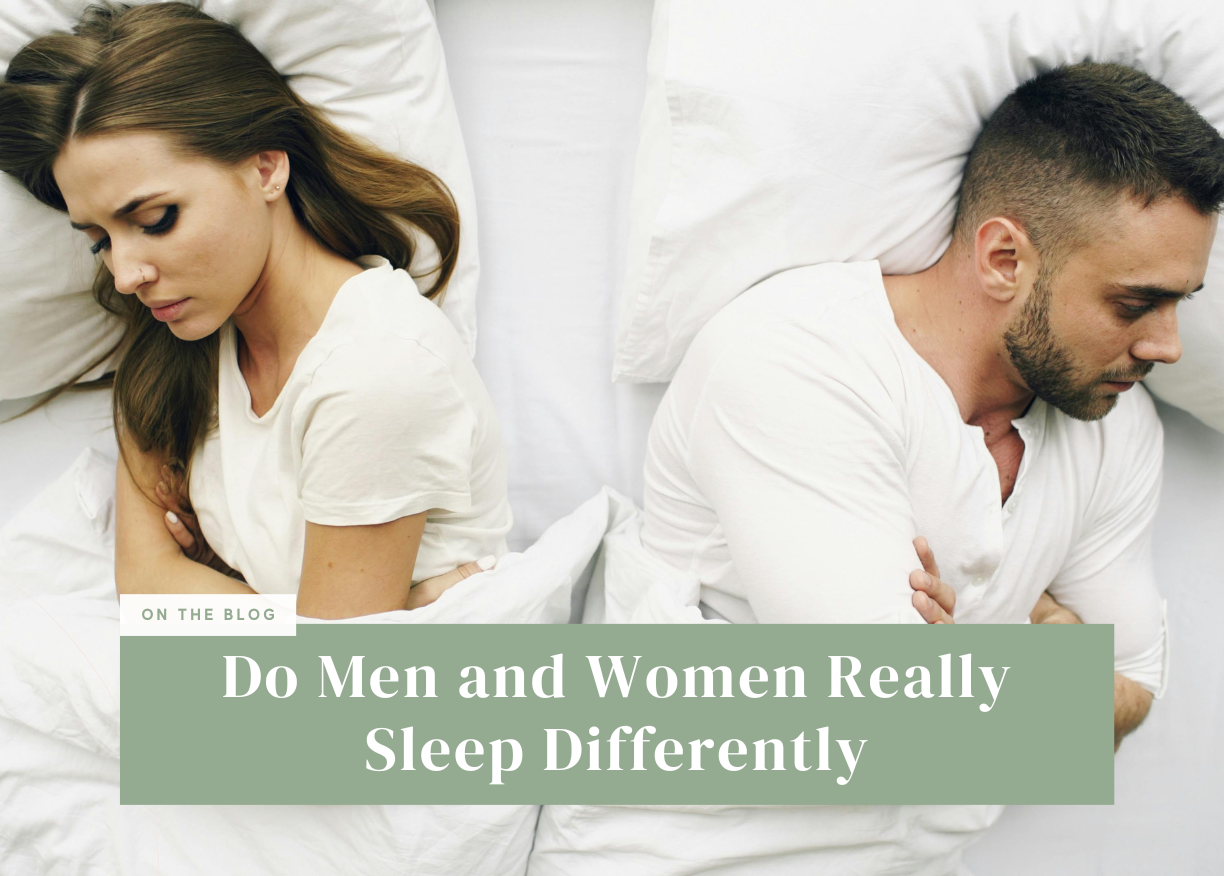
Do Men and Women Really Sleep Differently

It’s something many people notice.
One person falls asleep instantly.
The other stays awake longer.
One wakes up during the night.
The other sleeps straight through.
So it raises the question:
Do men and women actually sleep differently—or is it just individual habits?
The answer is: yes, there are real differences.
Sleep Isn’t One-Size-Fits-All

Sleep is influenced by:
-
Hormones
-
Biology
-
Lifestyle
-
Stress patterns
And some of these differ between men and women.
1. Women Often Need Slightly More Sleep

Research suggests women may need:
👉 20–30 minutes more sleep per night on average
Why?
-
Greater multitasking demands on the brain
-
More complex hormonal cycles
-
Higher mental load in many cases
Even a small difference matters over time.
2. Women Experience More Sleep Disruptions

Women are more likely to:
-
Wake up during the night
-
Experience lighter sleep
-
Report insomnia symptoms
Common factors include:
-
Hormonal fluctuations
-
Pregnancy
-
Menopause
Sleep may be more sensitive to internal changes.
3. Men Are More Likely to Experience Sleep Apnea

Men have a higher risk of:
-
Snoring
-
Airway obstruction
-
Breathing interruptions during sleep
This can affect:
-
Oxygen levels
-
Sleep depth
-
Overall recovery
4. Hormones Play a Major Role

Women’s sleep is influenced by:
-
Menstrual cycles
-
Pregnancy
-
Menopause
These changes can affect:
-
Sleep timing
-
Sleep depth
-
Temperature regulation
Men’s hormones are generally more stable day-to-day.
5. Stress Shows Up Differently

Both experience stress—but often process it differently.
-
Women may experience more mental rumination
-
Men may experience more physical restlessness
Both can disrupt sleep—but in different ways.
6. Temperature Sensitivity Differs

Women often:
-
Feel colder before sleep
-
Are more sensitive to temperature shifts
Men may:
-
Overheat more easily
-
Be less sensitive to small changes
Temperature plays a key role in sleep comfort.
What Matters More Than Gender

While these differences exist, the biggest factors are still:
-
Sleep quality
-
Environment
-
Consistency
-
Comfort
Two people of the same gender can sleep very differently.
Why Couples Often Notice the Difference

Shared sleep environments highlight differences:
-
One person sleeps hot, the other cold
-
One moves more, the other wakes easily
-
One falls asleep fast, the other needs time
This can create challenges—but also awareness.
How to Improve Sleep for Both

1. Focus on Individual Needs
Not everything should be shared—comfort matters.
2. Manage Temperature Carefully
Find a balance that works for both.
3. Reduce Disruptions
Movement, noise, and light affect each person differently.
4. Prioritize Consistency
Routine benefits everyone.
Why Your Sleep Setup Needs to Work for Both
A shared bed should support different needs.
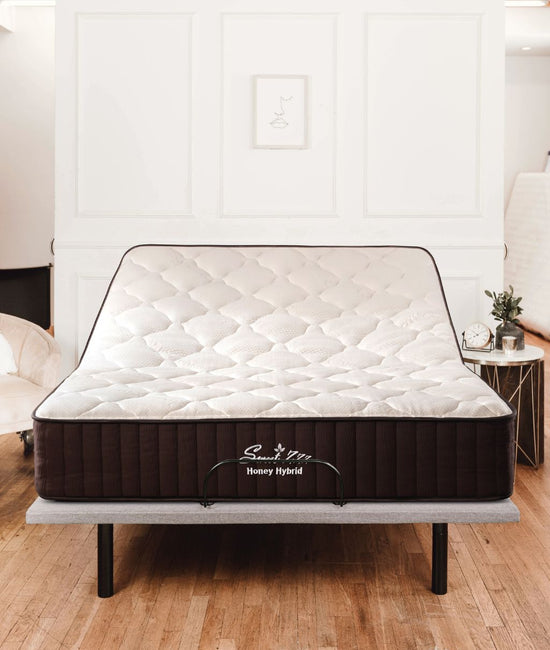
Honey Hybrid Mattress
Reduces motion transfer and supports both sleepers—so one person’s movement doesn’t disturb the other.
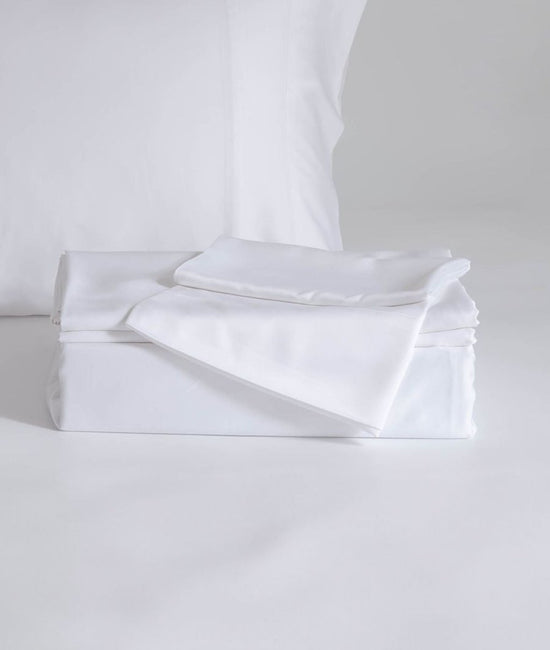
Bamboo Sheets
Help regulate temperature for both hot and cold sleepers.
Adjustable Base
Allows personalized positioning—so each person can find what works for them.
Better sleep comes from balance—not compromise.
Final Thoughts
Men and women do sleep differently—but not in ways that limit good sleep.
Understanding those differences helps you:
-
Adjust your environment
-
Improve comfort
-
Reduce frustration
Because better sleep isn’t about who sleeps “better.”
It’s about what works for your body.