 800-811-7514
Night Sweats in Men vs. Women: Why They Happen, and Why the Causes Are Often Different
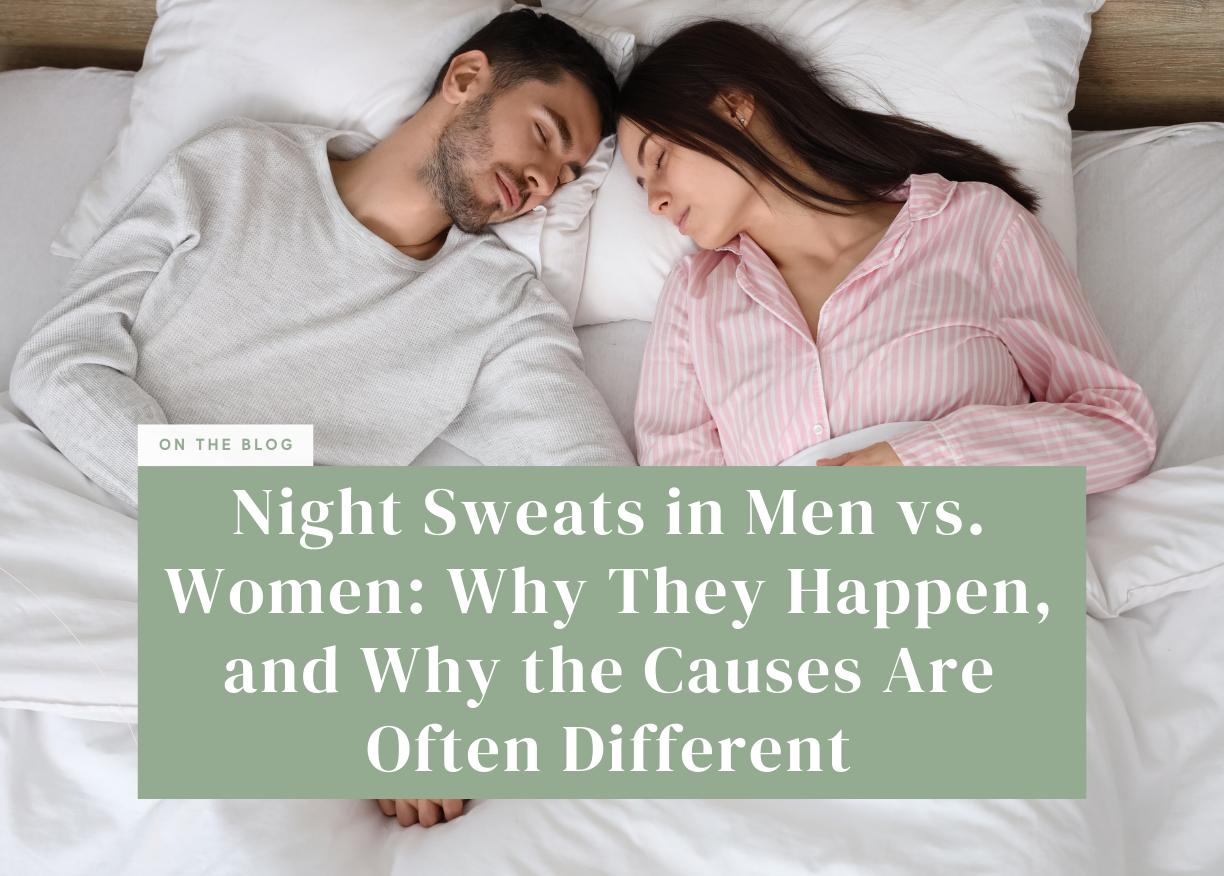

Waking up drenched in sweat can be confusing—and frustrating.
You went to bed comfortable.
The room didn’t feel hot.
And yet, sometime during the night, your body flipped a switch.
Night sweats are common—but the reasons behind them are often very different for men and women.
Understanding why they happen is the first step to knowing what actually helps.

First: What Counts as Night Sweats?
Night sweats aren’t just feeling a little warm.
They usually mean:
-
Waking up soaked
-
Damp sheets or pajamas
-
Repeated overheating during the night
-
Sweating that disrupts sleep
And while environment matters, persistent night sweats are often internal—not just about room temperature.

Why Men and Women Experience Night Sweats Differently
Men and women regulate temperature differently due to:
-
Hormones
-
Body composition
-
Metabolism
-
Nervous system responses
That’s why the triggers—and solutions—often differ.

Common Causes of Night Sweats in Women
1. Hormonal Fluctuations
This is the most common cause.
Changes in estrogen and progesterone affect the body’s temperature regulation system.
Night sweats are especially common during:
-
Menstrual cycle shifts
-
Pregnancy
-
Postpartum recovery
-
Perimenopause
-
Menopause

Even small hormonal changes can confuse the brain’s “thermostat.”
2. Stress and Emotional Load
Women tend to experience stress more internally.
Elevated cortisol at night can trigger sweating—especially during REM sleep.
This often happens even when women don’t feel stressed during the day.
3. Blood Sugar Sensitivity
Poor sleep or late meals can cause blood sugar drops overnight, triggering adrenaline—and sweating.
4. Overheating from Bedding
Women are often more temperature-sensitive, especially during hormonal shifts.
Heavy or non-breathable bedding traps heat quickly.

What Helps Women Reduce Night Sweats
-
Consistent sleep schedules
-
Breathable bedding
-
Cooler room temperature
-
Stress reduction before bed
-
Gentle elevation to improve circulation
-
Avoiding heavy meals late at night
Comfort and temperature stability matter more than sheer coolness.
Common Causes of Night Sweats in Men
1. Stress and Nervous System Activation
Men often carry stress physically.
Night sweats in men are frequently tied to:
-
Chronic tension
-
Work-related stress
-
Suppressed anxiety

The body releases adrenaline during sleep, triggering sweating.
2. Alcohol Consumption
Alcohol disrupts temperature regulation and increases blood flow to the skin.
Even moderate evening drinking can cause:
-
Night sweats
-
Fragmented sleep
-
Early awakenings
3. Breathing Disruptions
Snoring or mild sleep-disordered breathing can stress the nervous system, leading to sweating.
The body sweats as it struggles to regulate oxygen and temperature.
4. Higher Muscle Mass
Men generally generate more body heat during sleep due to muscle mass and metabolism.
Without proper airflow, heat builds quickly.

What Helps Men Reduce Night Sweats
-
Limiting alcohol before bed
-
Supporting better breathing at night
-
Improving sleep posture
-
Reducing late-night stimulation
-
Using breathable sleep materials
-
Managing stress physically (stretching, movement)
Why Night Sweats Often Get Worse at Night
At night:
-
The nervous system should slow down
-
Body temperature should drop
-
Hormones should stabilize

When any of those processes are disrupted, sweating becomes the body’s release valve.
Why Your Sleep Environment Makes or Breaks Night Sweats
Night sweats are often worsened—not caused—by sleep setup.
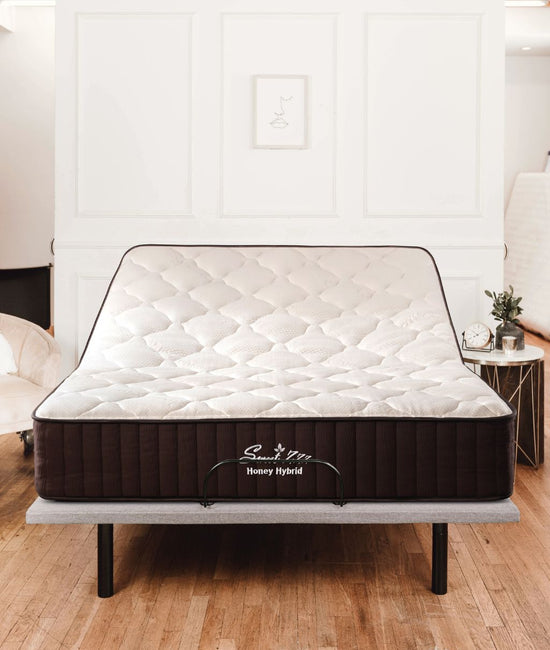
🌿 Honey Hybrid Mattress
Breathable materials help dissipate heat instead of trapping it beneath the body.
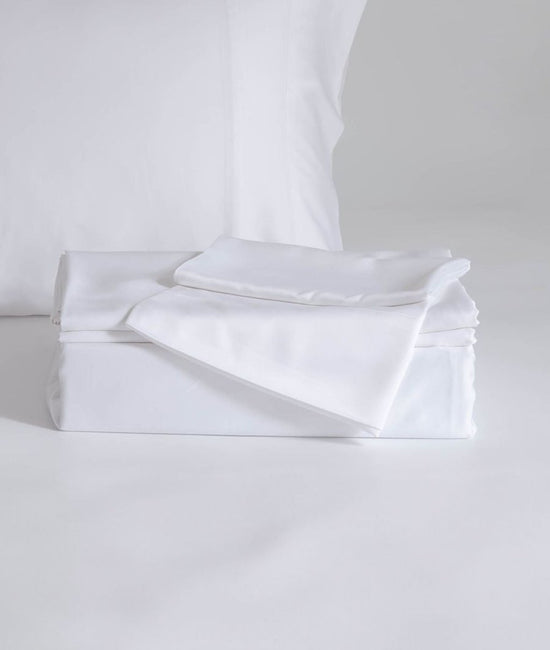
🌿 Bamboo Sheets
Naturally temperature-regulating and moisture-wicking—ideal for both men and women experiencing night sweats for different reasons.
🌿 Adjustable Base
Improves circulation and breathing with gentle elevation, helping the body regulate temperature more efficiently overnight.
When your body isn’t fighting heat or discomfort, sweating often decreases naturally.
When Night Sweats Should Be Checked
Occasional night sweats are common.
But you should talk to a healthcare provider if they are:
-
Severe
-
Persistent
-
Accompanied by weight loss, fever, or pain
This article focuses on common, non-emergency causes—not replacing medical advice.
Final Thoughts
Night sweats aren’t one-size-fits-all.
For women, they’re often hormonal and temperature-related.
For men, they’re frequently tied to stress, metabolism, or breathing.
Understanding why your body is overheating allows you to respond with the right changes—rather than guessing.
Better sleep starts when your body no longer has to fight the night.