 800-811-7514
Do You Have Sleep Apnea? Find Out From These Signs

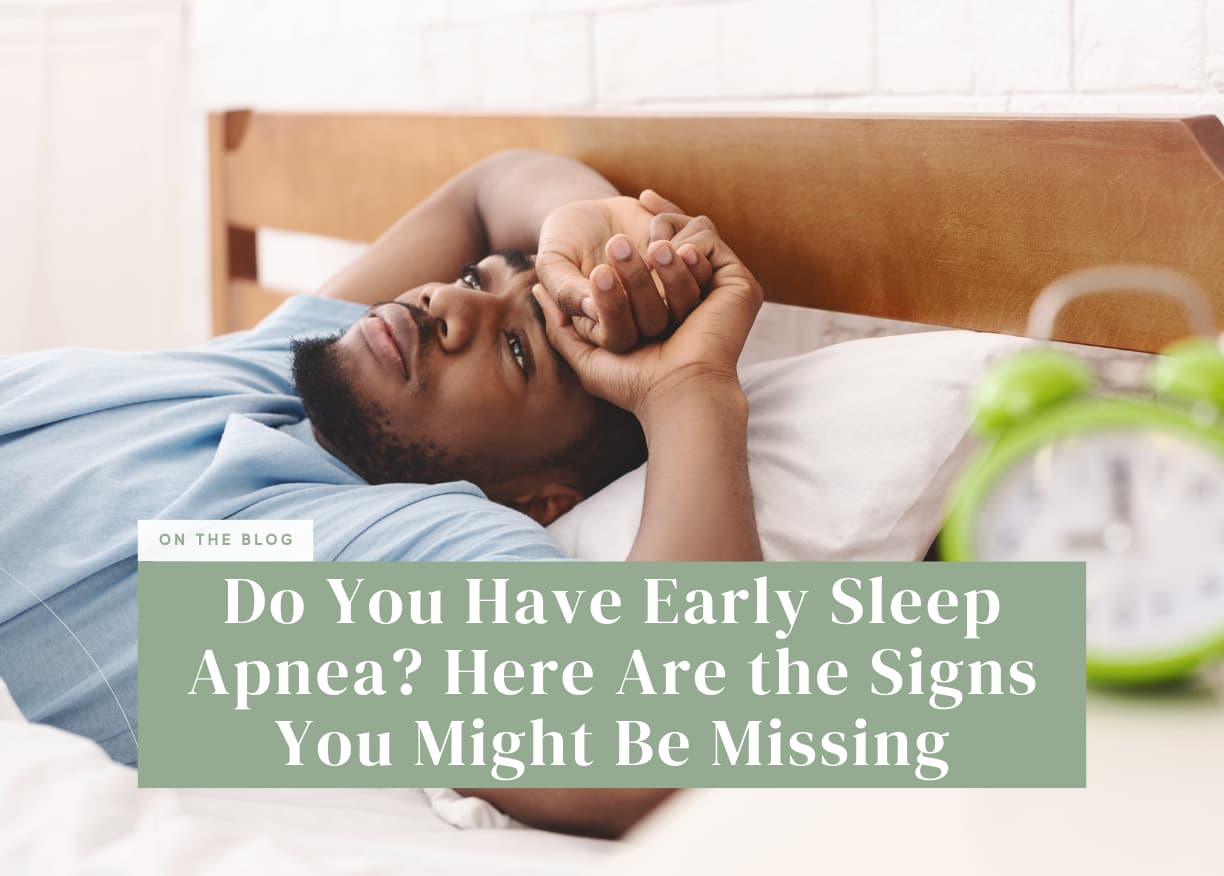
You sleep for seven or eight hours.
At least, that’s what the clock says.
But when morning comes, you don’t feel rested.
Your mouth is dry.
Your head feels heavy.
Your energy is low.
Maybe your partner says you snore loudly or sometimes seem to stop breathing.
And you wonder:
Is this normal… or could it be sleep apnea?
Sleep apnea is one of those conditions many people hear about but don’t always recognize in themselves.
And that matters.
Because sleep apnea doesn’t just affect how loudly someone snores.
It can affect breathing, sleep quality, daytime energy, focus, mood, and long-term health.
What Is Sleep Apnea?

Sleep apnea is a sleep disorder where breathing repeatedly stops or becomes very shallow during sleep.
The most common type is obstructive sleep apnea, which happens when the airway becomes partially or fully blocked during sleep.
When breathing is interrupted, the brain wakes the body just enough to restart normal breathing.
You may not remember these awakenings.
But your sleep does.
Over the course of the night, these small interruptions can prevent deep, restorative sleep.
The Biggest Sign: Loud, Frequent Snoring

Not everyone who snores has sleep apnea.
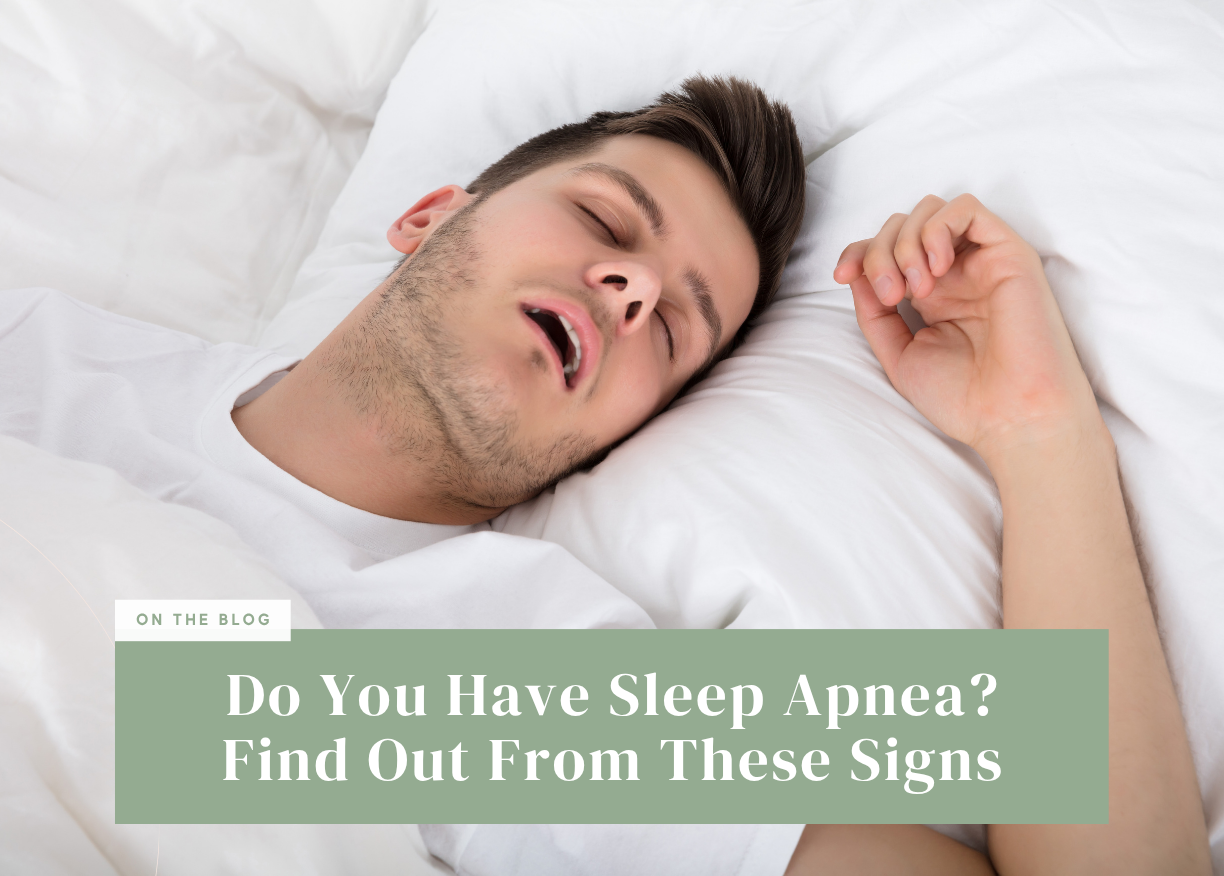
But loud, frequent snoring is one of the most common warning signs.
This is especially true if the snoring is followed by:
-
Pauses in breathing
-
Choking sounds
-
Gasping
-
Sudden awakenings
Mayo Clinic lists loud snoring, breathing pauses noticed by another person, and gasping for air during sleep among common signs of sleep apnea.
If your partner says your breathing sounds unusual at night, take it seriously.
Sometimes the person sleeping next to you notices the signs before you do.
You Wake Up Tired Even After a Full Night

One of the most frustrating signs of sleep apnea is waking up exhausted despite spending enough time in bed.
You may think:
I slept for eight hours. Why do I feel like this?
The answer may be sleep quality.
If breathing interruptions keep pulling you out of deep sleep, your body may never fully recover.
That can leave you feeling tired, foggy, or unrefreshed the next day.
Morning Headaches Can Be a Clue

Waking up with headaches can happen for many reasons.
Dehydration, stress, neck tension, caffeine, poor pillow support, and sinus issues can all play a role.
But morning headaches can also be connected to sleep apnea.
Mayo Clinic includes morning headaches, dry mouth, trouble staying asleep, daytime sleepiness, trouble paying attention, and irritability as possible symptoms.
So if morning headaches happen often, especially with snoring or daytime fatigue, it may be worth discussing with a doctor.
Dry Mouth or Sore Throat in the Morning

Many people with sleep apnea breathe through their mouth at night.
That can cause:
-
Dry mouth
-
Sore throat
-
Bad morning breath
-
Waking up thirsty
This symptom alone does not prove sleep apnea.
But when it appears with loud snoring, gasping, or daytime tiredness, it becomes more important.
Daytime Sleepiness Is a Major Warning Sign

If you constantly feel sleepy during the day, your sleep may not be doing its job.
You may notice:
-
Needing more caffeine than usual
-
Feeling sleepy while working
-
Struggling to stay alert during meetings
-
Feeling drowsy while driving
-
Needing naps just to function
Sleep apnea can make restorative sleep difficult, and daytime sleepiness is one of the common signs.
If you feel dangerously sleepy while driving, that is not something to ignore.
Poor Focus and Brain Fog

Sleep apnea doesn’t only affect the body.
It can affect the brain too.
Because sleep is when your brain restores energy, processes information, and clears out mental fatigue, poor sleep quality can make the next day feel harder.
You may experience:
-
Brain fog
-
Forgetfulness
-
Trouble focusing
-
Slower thinking
-
Irritability
The NHLBI notes that sleep apnea can affect concentration, decision-making, memory, and behavior.
So if you feel mentally tired no matter how long you sleep, your sleep quality may be part of the problem.
Mood Changes Can Happen Too

Poor sleep can make anyone more irritable.
But when sleep apnea keeps disrupting sleep night after night, mood can be affected more deeply.
Some people may feel:
-
Short-tempered
-
Emotionally drained
-
Less motivated
-
More anxious
-
More down than usual
This does not mean sleep apnea is always the cause.
But sleep and mood are closely connected.
When sleep quality improves, many people feel more emotionally stable and better equipped to handle the day.
Who Is More at Risk?

Sleep apnea can affect many types of people.
It is not limited to one body type, age, or lifestyle.
That said, certain factors may increase risk, including age, family history, weight, airway structure, nasal congestion, smoking, alcohol use, and some medical conditions. The NHLBI explains that both changeable and non-changeable factors can raise the risk of obstructive sleep apnea.
This is why symptoms matter.
Even if you don’t “look like” someone who might have sleep apnea, it is still worth paying attention to the signs.
Can Your Sleep Position Make It Worse?

For some people, sleep apnea symptoms are worse when sleeping flat on the back.
That position can allow the tongue and soft tissues to fall backward more easily, making the airway narrower.
This is why some people snore more on their back than on their side.
Changing position may help reduce snoring for some people, but it is not a substitute for medical diagnosis or treatment.
If sleep apnea is suspected, the right next step is speaking with a healthcare professional.
When Should You Talk to a Doctor?

Consider talking to a doctor if you or your partner notice:
-
Loud, frequent snoring
-
Pauses in breathing during sleep
-
Gasping or choking at night
-
Morning headaches
-
Daytime sleepiness
-
Waking up unrefreshed
-
Trouble focusing
-
High blood pressure with poor sleep
-
Falling asleep unintentionally during the day
Sleep apnea is diagnosable and treatable.
But guessing is not enough.
A doctor may recommend a sleep study or home sleep test to better understand what is happening during the night.
How Your Sleep Setup Can Support Better Rest
A better sleep environment cannot diagnose or treat sleep apnea.
But it can support more comfortable, less disrupted sleep.
And for people who snore, deal with reflux, or feel uncomfortable lying flat, position and support can make a difference.
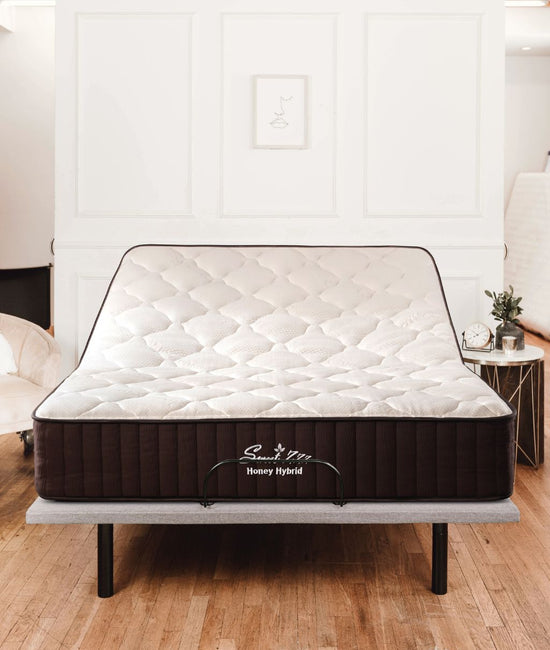
The Sweet Zzz Adjustable Base allows you to gently elevate your upper body, which may help some people reduce snoring and feel more comfortable breathing at night. It is not a medical treatment for sleep apnea, but it can support better positioning and comfort.
Balanced support and pressure relief help your body stay comfortable through the night, reducing unnecessary tossing and turning.
Proper neck support helps keep the head and neck aligned, which can make breathing and comfort feel more natural.
Soft, breathable, and temperature-regulating, they help reduce overheating and discomfort that can interrupt sleep.
Better comfort is not a cure.
But it can make your sleep environment work with your body instead of against it.
Final Thoughts
Sleep apnea is more than loud snoring.
It can affect your breathing, energy, focus, mood, and overall health.
But the signs are often easy to dismiss.
You may think you’re just tired.
Just stressed.
Just not a morning person.
But if you regularly wake up exhausted, snore loudly, gasp at night, or feel sleepy during the day, your body may be telling you something important.
Pay attention.
Ask questions.
And when in doubt, talk to a doctor.
Because better sleep starts with understanding what is really happening while you sleep.