 800-811-7514
How Fall Allergies and Dust Can Quietly Hurt Your Sleep

Fall allergies do not always feel dramatic.
Sometimes it is not a big sneezing attack.
It is smaller than that.
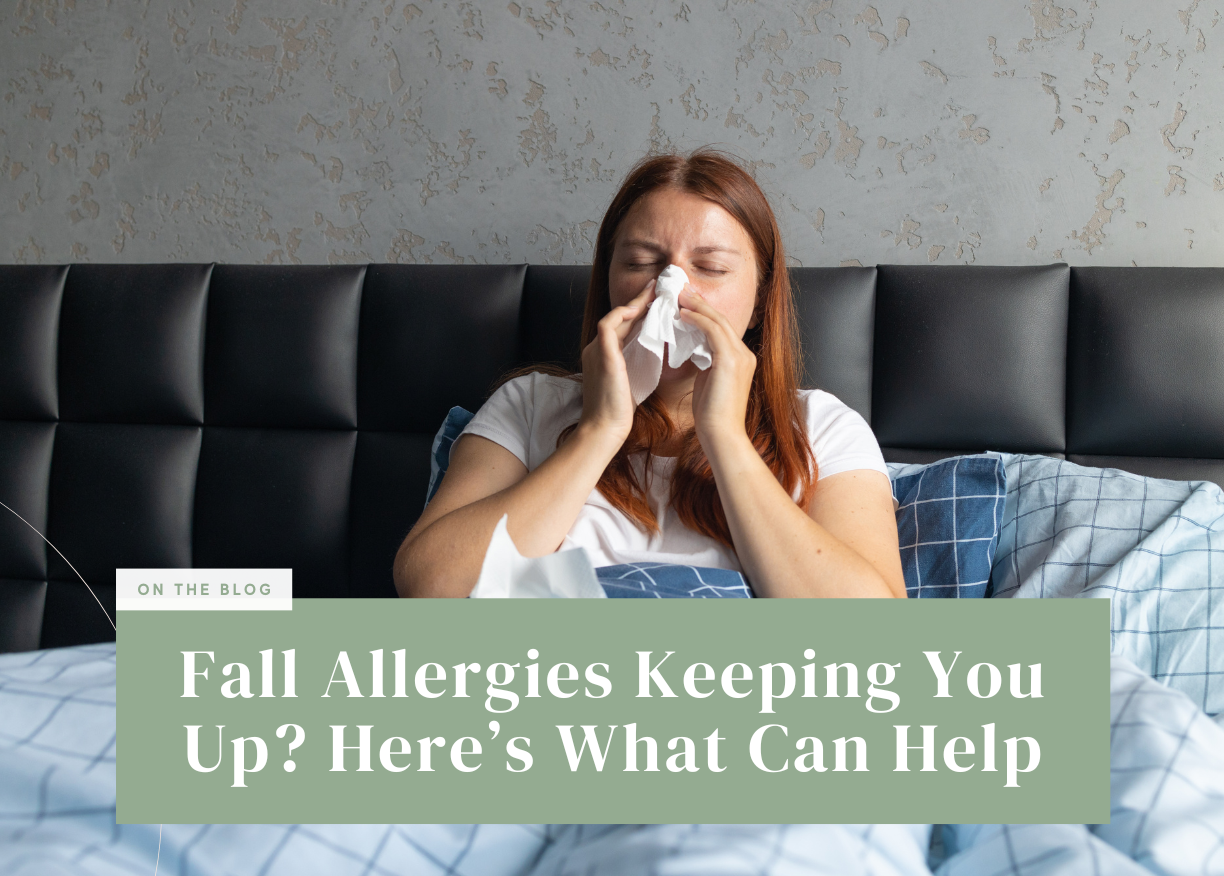
A stuffy nose when you lie down.
A dry throat in the morning.
A cough that shows up at night.
Itchy eyes when you get into bed.
A heavy feeling in the room.
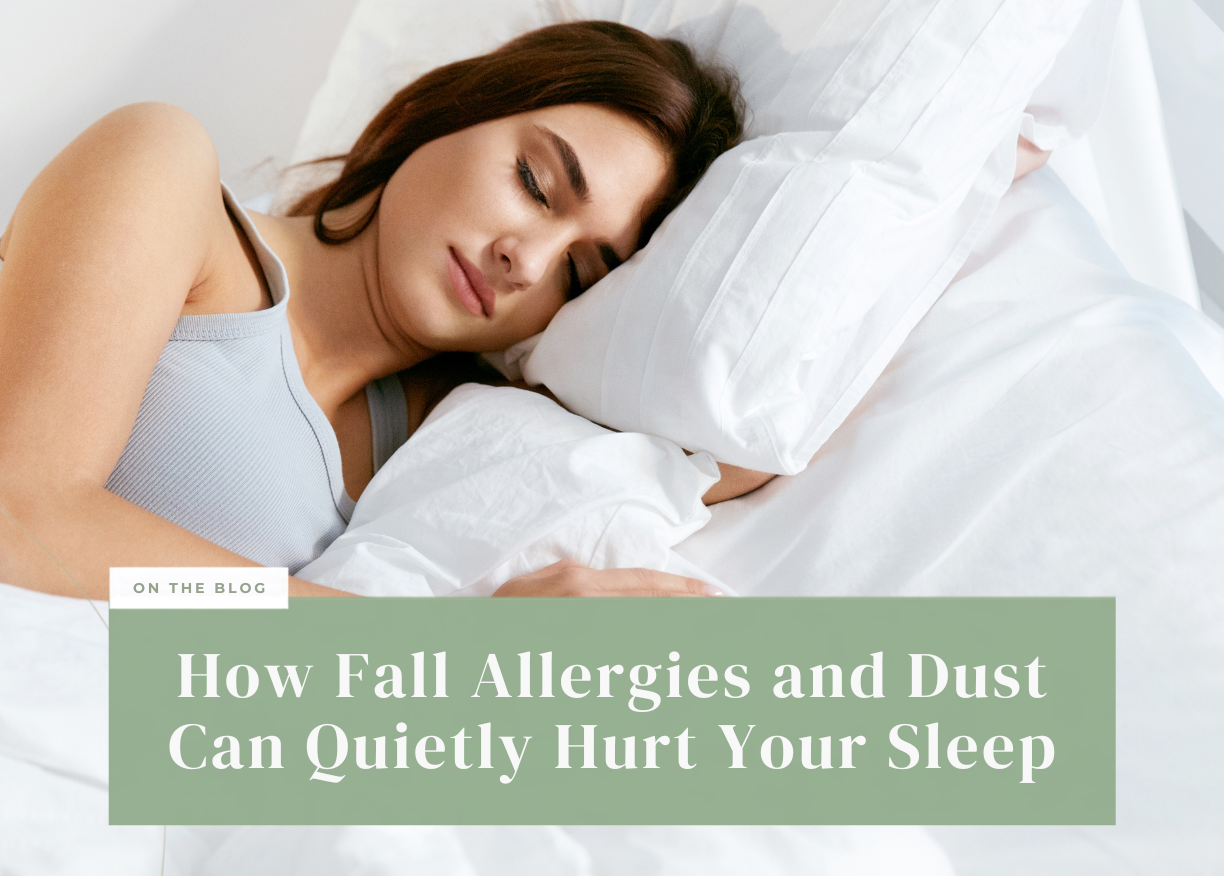
Sleep that feels lighter than it should.
You may not even think of it as allergies.
You may just think:
I didn’t sleep well.
But fall allergies and bedroom dust can quietly affect sleep in a way that is easy to miss.
Not always enough to fully wake you.
But enough to make the night feel broken.
And because fall often means closed windows, heavier bedding, heating systems, indoor dust, mold, and more time inside, your bedroom can become one of the biggest places where allergy-sensitive sleep gets disrupted.
So if you wake up congested, irritated, or tired during fall, the problem may not only be your schedule.
It may be the air and bedding around you.
Why Allergies Feel Worse at Night

Allergy symptoms can feel more noticeable at night because bedtime removes distractions.
During the day, you are moving, talking, working, eating, and focusing on other things.
At night, you lie still.
Now you notice the congestion.
The throat irritation.
The coughing.
The itchy eyes.
The stuffy nose.
And because your face is close to your pillow, sheets, mattress surface, and bedroom air for hours, anything irritating in that sleep environment can matter more.
Dust mites are commonly found in bedding, padded furniture, and carpeting, and Mayo Clinic notes that reducing dust mites in the home can help control dust mite allergy.
That is why the bedroom matters so much.
It is where you spend the longest uninterrupted time breathing the same indoor air and resting against the same fabrics.
Fall Often Moves Allergy Triggers Indoors

Spring allergies get a lot of attention.
But fall creates its own bedroom problems.
As the weather cools, windows close.
Heating systems begin running.
Blankets and comforters come out of storage.
People spend more time indoors.
Dust collects.
Humidity changes.
Pets may spend more time inside.
Outdoor allergens can still be carried indoors on clothes, shoes, hair, and pets.
The American Academy of Allergy, Asthma & Immunology lists indoor allergens such as dust mite droppings, animal dander, cockroach droppings, and molds as common triggers for allergy symptoms.
That means fall allergies are not only an outdoor issue.
Sometimes the biggest trigger is the bedroom itself.
Dust Mites Love Bedrooms

Dust mites are microscopic, so you do not see them.
But they can still affect allergy-sensitive sleepers.
They tend to thrive in places where skin cells, warmth, humidity, and fabric collect.
That makes bedrooms a common problem area.
Bedding.
Pillows.
Mattresses.
Blankets.
Carpets.
Upholstered furniture.
Fabric headboards.
Stuffed animals.
Heavy curtains.
AAAAI explains that dust mites can be found throughout the house but thrive in warm, humid environments such as bedding, upholstered furniture, and carpeting, and because so much time is spent in the bedroom, reducing mite levels there is especially important.
This does not mean your room is dirty.
It means bedrooms naturally collect the things dust mites like.
That is why regular cleaning and washable bedding matter so much.
Dust Can Make Sleep Feel Lighter

Dust irritation can affect sleep in small ways.
You may breathe through your mouth more.
Cough lightly.
Clear your throat.
Wake up congested.
Turn over more often.
Reach for water.
Wake up feeling dry or heavy.
These small disruptions can make sleep feel less restorative.
You may not remember being awake for long.
But your body still had to keep responding to irritation.
That is why bedroom dust can quietly reduce sleep quality.
It does not always feel like a major allergy attack.
Sometimes it just feels like a bad night of sleep.
Bedding Can Collect More Than You Think

Your bed is used every night.
That means it naturally collects:
-
Sweat
-
Skin cells
-
Body oils
-
Hair
-
Dust
-
Pollen
-
Pet dander
-
Moisture
-
Fragrance residue
-
Everyday buildup
Again, this does not mean your bed is dirty.
It means your bed is used.
And anything used that often needs regular care.
Mayo Clinic recommends washing sheets, pillowcases, and blankets at least once a week in water heated to at least 130°F to help control dust mites.
For allergy-sensitive sleepers, this is one of the most practical places to start.
Before changing everything, wash what touches your face and body every night.
Your Pillow May Be a Bigger Problem Than You Think

Your pillow sits closest to your nose, mouth, eyes, and skin.
If it holds dust, sweat, oils, allergens, or pet dander, you are breathing near that for hours.
A pillow can also become less supportive over time.
So now it may create two problems:
Irritation and poor alignment.
You wake up congested and stiff.
That is not a good combination.
Mayo Clinic recommends using dust-mite-proof covers for pillows and mattresses when allergy-proofing the bedroom.
If your pillow is old, flat, musty, hard to wash, or no longer supportive, it may be time to replace it.
A fresh, supportive pillow can make the whole sleep setup feel cleaner and calmer.
Mattress Protectors Matter During Allergy Season

A mattress is not as easy to wash as sheets.
That is why a protector matters.
A good mattress protector helps create a cleaner barrier between your body and the mattress.
It can help protect against moisture, spills, sweat, and everyday buildup.
For allergy-sensitive sleepers, it can also make the sleep surface easier to maintain.
Mayo Clinic recommends encasing mattresses, box springs, and pillows in dust-mite-proof covers as part of reducing bedroom allergens.
A protector is not exciting.
But it is practical.
It helps keep the bed fresher for longer.
And during fall allergy season, practical matters.
Humidity Can Help or Hurt

Humidity is tricky.
If the air is too dry, your nose and throat may feel irritated.
If the air is too humid, dust mites and mold can become more of a problem.
Mayo Clinic notes that hot, humid homes can be breeding grounds for dust mites and mold, and it recommends keeping relative humidity no higher than 50% when allergy-proofing the home.
So the goal is not simply “add humidity.”
The goal is balance.
If your bedroom air is dry, a humidifier may help some people feel more comfortable.
But a humidifier needs to be cleaned properly.
And the room should not become damp.
If your bedroom smells musty, feels sticky, or has condensation, too much humidity may be making things worse.
Comfortable air is the goal.
Not dry.
Not damp.
Comfortable.
Mold Should Not Be Ignored

Fall can bring damp leaves, rain, closed windows, and less airflow.
That can make mold more noticeable in some homes.
Mold may show up around windows, bathrooms, closets, vents, walls, or damp areas.
If your bedroom smells musty, that matters.
AAAAI lists molds among common indoor allergens, along with dust mite droppings and animal dander.
A musty bedroom is not just unpleasant.
It can make sleep feel stuffy and irritating for sensitive people.
If you see or smell mold, address the moisture source.
Improve ventilation.
Use a dehumidifier if needed.
Clean safely.
For larger or recurring mold problems, professional help may be necessary.
Heating Systems Can Stir Up Dust

When colder weather arrives, heating systems often turn on after months of little use.
That first stretch of heat can stir up dust.
Vents, filters, carpets, curtains, bedding, and furniture may all contribute to the bedroom feeling dustier.
You may notice:
A dry throat.
More sneezing.
More congestion.
A dusty smell.
Waking up feeling irritated.
This is a good time to clean around the bedroom, wash bedding, check filters, and make sure vents are not blowing dust directly toward the bed.
A comfortable fall bedroom should feel warm enough to rest in, but not dusty, dry, and irritating.
Pets Can Bring Allergens Into the Bedroom

Pets are part of the family.
But for allergy-sensitive sleepers, the bedroom can become a problem if pets sleep in the room or on the bed.
Pet allergens are not only in fur. AAAAI explains that pet allergy can be caused by proteins found in a pet’s dander, skin flakes, saliva, and urine, and pet hair can also collect pollen, mold spores, and other outdoor allergens.
That matters in fall because pets can bring outdoor allergens inside.
If your symptoms are worse at night, try making the bedroom pet-free for a few weeks.
Not forever.
Just as a test.
AAAAI notes that keeping pets out of the bedroom can reduce allergy symptoms because people spend so many hours there.
Your sleep can tell you if it helps.
Clutter Can Make Dust Worse

A cluttered bedroom is harder to clean.
That matters for allergies.
Dust collects on:
Decorative pillows.
Blankets.
Clothes piles.
Books.
Open shelves.
Curtains.
Rugs.
Under-bed storage.
Stuffed animals.
Upholstered furniture.
The more surfaces and fabrics around the bed, the more places dust can settle.
Mayo Clinic recommends keeping the bedroom clean and removing dust-collecting clutter to help reduce dust mites.
This does not mean your bedroom needs to feel empty.
But if allergies are affecting sleep, simplify the area around the bed.
Make the room easier to clean.
The easier it is to clean, the more likely it is to stay sleep-friendly.
The Bedroom Should Be Cool, Clean, and Comfortable

Allergy control matters.
But sleep comfort matters too.
A bedroom that is too hot, too cold, too noisy, too bright, or too uncomfortable can make sleep worse even if allergens improve.
The CDC recommends keeping the bedroom quiet, relaxing, and at a cool temperature as part of healthy sleep habits.
For fall, that means balancing several things at once:
Cool air, but not cold.
Warm bedding, but not overheating.
Cleaner air, but not heavy fragrances.
Humidity balance, but not dampness.
Comfort, but not clutter.
Fresh bedding, but not harsh irritation.
A good fall bedroom should feel calm and breathable.
Not stuffy and overdone.
How Dust and Allergies Quietly Affect Sleep

Allergies do not need to wake you fully to affect sleep.
They can create small disruptions:
A blocked nose.
A cough.
A dry throat.
A sneeze.
Itchy eyes.
Mouth breathing.
Restless movement.
A need to drink water.
A need to adjust pillows.
These little moments can pull your body out of deeper rest.
You may still be in bed for eight hours.
But the sleep may feel lighter.
That is why people with bedroom allergens often say:
“I slept, but I don’t feel rested.”
The issue is not only sleep duration.
It is sleep continuity.
A Simple Fall Bedroom Allergy Reset

You do not need to do everything at once.
Start with the highest-impact areas.
1. Wash Sheets and Pillowcases Weekly
This is the easiest place to begin.
Mayo Clinic recommends washing sheets, pillowcases, and blankets weekly in hot water of at least 130°F to help control dust mites.
If hot washing is not possible for a certain item, follow care instructions and clean it as effectively as you can.
2. Use Protective Covers
Dust-mite-proof covers for pillows and mattresses can help create a cleaner barrier.
This is especially useful because pillows and mattresses are difficult to fully wash.
Mayo Clinic recommends allergen-proof bedcovers as part of dust mite control.
3. Keep Humidity Below 50%
If humidity is too high, dust mites and mold can become more of a problem.
Mayo Clinic recommends maintaining relative humidity below 50% to help control dust mites.
A small humidity gauge can help you stop guessing.
4. Reduce Dust Collectors Around the Bed
Remove extra clutter near the bed.
Wash or reduce decorative pillows.
Keep laundry off the floor.
Vacuum and dust regularly.
Clean under the bed when possible.
The goal is not a perfect room.
The goal is a cleaner breathing space.
5. Keep Pets Out of the Bedroom If Needed
If you suspect pet dander is affecting your sleep, test a pet-free bedroom for a few weeks.
AAAAI recommends minimizing contact and keeping pets out of the bedroom when pet allergen exposure cannot be avoided.
6. Check for Musty Smells
A musty smell may point to moisture or mold.
Look near windows, walls, vents, bathrooms, and closets.
Fix moisture issues early.
Do not just cover the smell with fragrance.
7. Change or Clean Filters
Heating and cooling filters matter.
A dirty filter can make the room feel dusty and stale.
Check your home system, air purifier, humidifier, or fan filters as needed.
8. Be Careful With Strong Scents
Candles, sprays, plug-ins, and heavily scented detergents may make a room smell “clean,” but they can irritate sensitive sleepers.
Fresh is better than perfumed.
Clean air should not feel overwhelming.
When Allergy Symptoms Need Medical Help

Bedroom changes can help reduce triggers.
But they do not replace medical care.
Talk to a healthcare professional or allergy specialist if symptoms are persistent, severe, or affecting sleep and daily life.
This is especially important if you have wheezing, shortness of breath, chest tightness, frequent sinus infections, asthma symptoms, severe congestion, or symptoms that do not improve with basic changes.
Mayo Clinic notes that dust mite allergy can be diagnosed based on symptoms, home environment questions, and allergy testing when needed.
You do not have to guess forever.
If sleep is being disrupted, it is worth getting proper guidance.
The Sweet Zzz Setup for Cleaner Fall Sleep
A cleaner bedroom starts with habits.
Washing bedding.
Reducing dust.
Managing humidity.
Checking air quality.
But your sleep setup matters too.
Because your body spends hours every night on and around the bed.
🌿 Honey Hybrid Mattress
Made with GOLS organic latex, organic cotton, organic wool, and individually pocketed coils, the Honey Hybrid is designed for breathable, cleaner comfort.
It is made without polyurethane foams, fiberglass, chemical flame retardants, glues, formaldehyde, or heavy metals.
It is also GREENGUARD Gold certified as a finished mattress, which gives extra peace of mind for customers who care about what they bring into the bedroom.
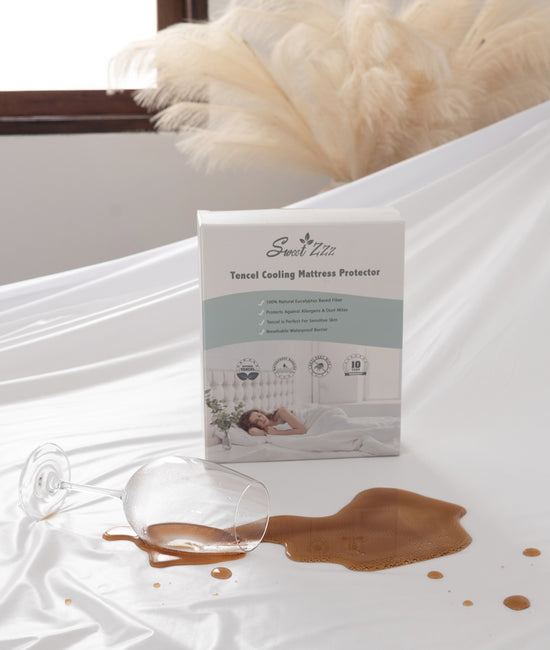
🌿 Cooling Tencel Mattress Protector
A mattress protector helps protect the mattress from moisture, spills, and everyday buildup while keeping the sleep surface easier to maintain.
This is one of the most practical additions during allergy and dust season.
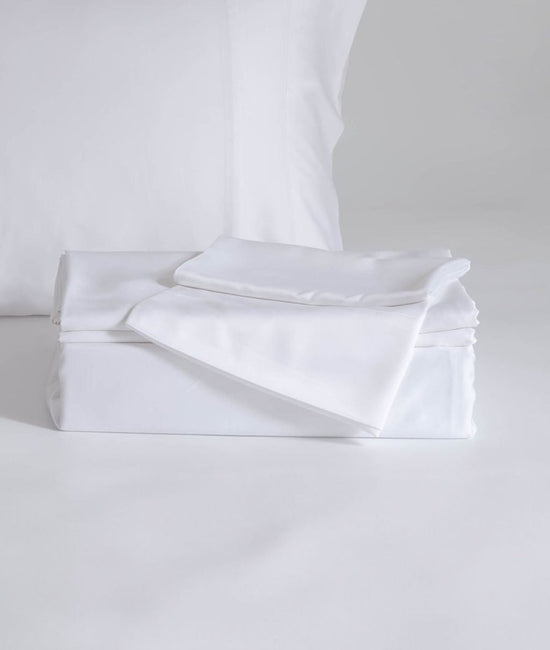
🌿 Bamboo Sheets
Soft, breathable, and moisture-wicking, Bamboo Sheets help create a cooler, fresher sleep surface.
They are also easy to wash regularly, which matters when dust and allergens are part of the problem.
🌿 Plant-Based Pillow
A supportive pillow helps keep the head and neck aligned while giving your face a soft, comfortable place to rest.
During allergy season, your pillow should feel fresh, supportive, and breathable.
🌿 White Noise Machine
If fall allergy symptoms, heating systems, apartment noise, or household sounds make your sleep lighter, steady background sound can help create a calmer bedroom environment.
🌿 Adjustable Base
An adjustable base can help elevate your upper body for more comfortable breathing, reading, reflux support, or relaxation.
It does not treat allergies, but better positioning can help some people feel more comfortable at night.
A cleaner fall sleep setup is not about perfection.
It is about reducing the triggers that keep pulling your body out of rest.
Final Thoughts
Fall allergies and dust can hurt sleep quietly.
Not always with a dramatic reaction.
Sometimes with small nightly interruptions.
A stuffy nose.
A cough.
A dry throat.
Itchy eyes.
Mouth breathing.
A room that feels stale.
A pillow that does not feel fresh.
Bedding that needs washing.
Air that feels too dry, too damp, or too dusty.
These things may seem small.
But sleep is sensitive.
Start with the bedroom.
Wash bedding.
Protect the mattress and pillows.
Control humidity.
Reduce dust collectors.
Check for mold.
Keep pets out if needed.
Make the room cool, clean, and comfortable.
Because better fall sleep is not only about going to bed earlier.
Sometimes, it starts with breathing easier in the room you sleep in every night.