 800-811-7514
How Much Does Your Sleep Position Really Affect Your Sleep?

You probably have a favorite sleep position.
Maybe you're a side sleeper.
Maybe you sleep on your back.
Or maybe you wake up in a completely different position than where you started.
But have you ever wondered:
Does your sleep position actually affect how well you sleep?
The answer is yes.
In fact, the position you sleep in can influence everything from back pain and snoring to pressure points and sleep quality.
Why Sleep Position Matters

While you're asleep, your body spends hours in the same general posture.
If that position doesn't properly support your:
-
Spine
-
Neck
-
Shoulders
-
Hips
your muscles continue working throughout the night instead of relaxing.
The result?
You may wake up feeling stiff, sore, or less rested—even after a full night's sleep.
Side Sleeping

Side sleeping is the most common sleep position.
For many people, it can:
-
Reduce snoring
-
Help keep the airway open
-
Ease pressure on the lower back
-
Be more comfortable during pregnancy
However, it can also place extra pressure on:
-
Shoulders
-
Hips
Without enough cushioning and support, side sleepers often toss and turn throughout the night.
Back Sleeping

Sleeping on your back helps distribute body weight more evenly.
It can:
-
Promote good spinal alignment
-
Reduce pressure on joints
-
Help prevent facial pressure from pillows
However, it isn't ideal for everyone.
For some people—especially those who snore or have sleep apnea—lying flat can make breathing more difficult.
Stomach Sleeping

Many people find stomach sleeping comfortable at first.
Unfortunately, it's often the hardest position on the body.
Sleeping on your stomach can:
-
Twist the neck for hours
-
Flatten the natural curve of the spine
-
Increase pressure on the lower back
Over time, this may contribute to stiffness and discomfort.
If you're a stomach sleeper, even small adjustments can make a noticeable difference.
The Position You Fall Asleep In Isn't Always the One You Stay In

Here's something many people don't realize:
Most of us change positions multiple times throughout the night.
In fact, healthy sleepers naturally move to:
-
Relieve pressure
-
Improve circulation
-
Stay comfortable
So don't worry if you wake up in a different position.
That's completely normal.
Your Mattress Matters Just As Much

A sleep position is only as comfortable as the surface supporting it.
For example:
A side sleeper on a mattress that's too firm may experience shoulder pain.
A back sleeper on a mattress that's too soft may lose proper spinal support.
The goal isn't simply choosing the "best" sleep position.
It's choosing the right support for the position you naturally prefer.
How to Make Any Sleep Position More Comfortable

For Side Sleepers
Choose a mattress that cushions pressure points while keeping your spine aligned.
For Back Sleepers
Look for balanced support that maintains your natural posture without allowing your hips to sink too deeply.
For Stomach Sleepers
Try transitioning gradually toward side sleeping if possible. If not, choose a supportive mattress that minimizes lower back strain.
Supporting Every Sleep Position
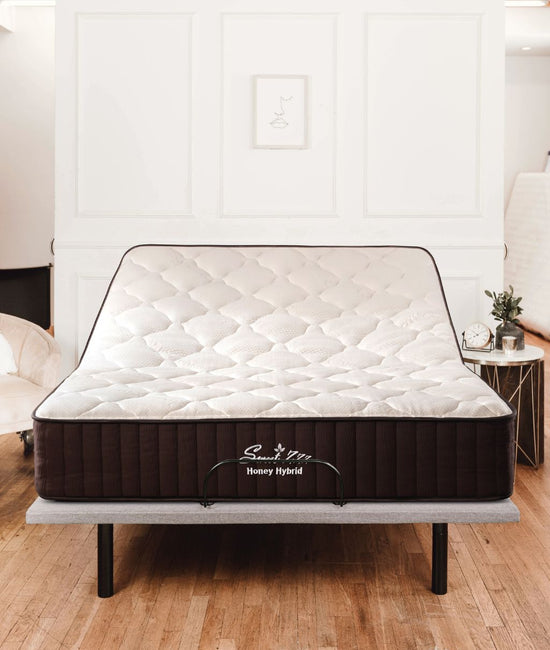
Designed with responsive GOLS organic latex and individually pocketed coils, it provides pressure relief for side sleepers while maintaining excellent spinal support for back sleepers. The responsive design also makes it easy to change positions naturally during the night.
Soft, breathable, and temperature-regulating to keep you comfortable regardless of how you sleep.
Whether you're reading before bed, elevating your legs after a long day, or raising your head to help reduce snoring or acid reflux, an adjustable base lets you customize your sleeping position for greater comfort.
Final Thoughts
There isn't one perfect sleep position for everyone.
The best position is the one that allows your body to stay:
-
Comfortable
-
Properly aligned
-
Free from unnecessary pressure
When your sleep position and your mattress work together, your muscles can finally relax, your body can recover, and you wake up feeling refreshed.
Because better sleep isn't just about how long you sleep.
It's also about how you sleep.