 800-811-7514
What Your Sleep Position Says About Your Relationship
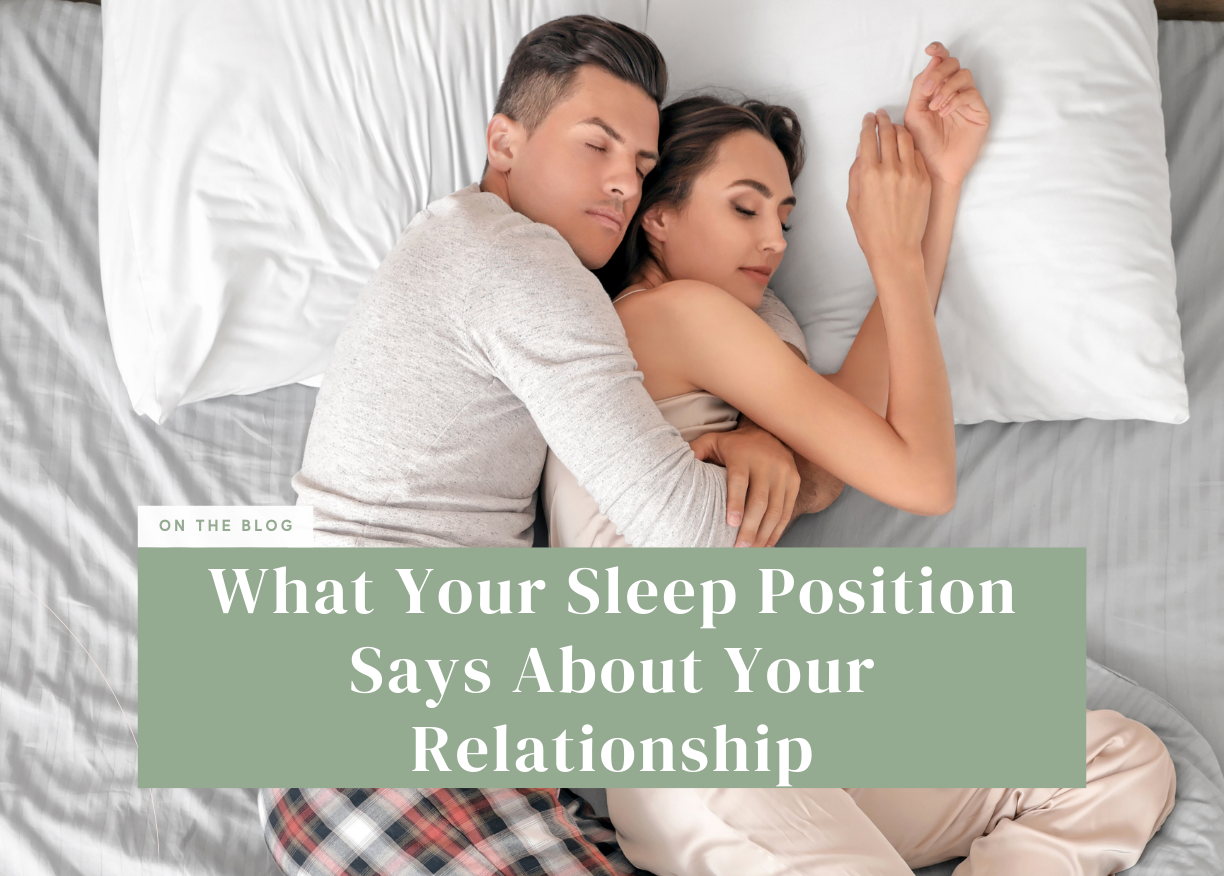

You may not think about it much,
but the way you and your partner sleep together can quietly reveal a lot about your relationship.
Not in a dramatic, fortune-telling way.
But in subtle patterns tied to comfort, trust, emotional closeness, and independence.
Sleep strips away performance.
There’s no posing, no overthinking—just habit and instinct.
And those instincts tell a story.

Why Sleep Positions Matter More Than We Realize
During sleep, the brain shifts out of social awareness and into safety mode.
Your body naturally chooses positions that feel:
-
Secure
-
Comfortable
-
Emotionally safe
That’s why sleep posture often reflects how you feel in a relationship—not how you present during the day.
Researchers who study sleep and attachment patterns have found consistent emotional themes tied to how couples sleep.
Common Couple Sleep Positions & What They Often Mean

1. Facing Each Other
You fall asleep looking at one another—sometimes with legs or arms lightly touching.
This often signals:
-
Emotional openness
-
Strong communication
-
Comfort with vulnerability
Couples who sleep this way tend to feel emotionally attuned—even during conflict.

2. Spooning (Big Spoon / Little Spoon)
One partner curls around the other.
This position often reflects:
-
Protection and reassurance
-
A caregiving dynamic
-
Emotional closeness
It’s common during stressful periods or early relationship stages—but many long-term couples return to it when comfort is needed.

3. Back-to-Back, Touching
You sleep facing away but maintain contact—backs, hips, or feet touching.
This is one of the healthiest long-term patterns.
It suggests:
-
Trust
-
Independence
-
Emotional security
You don’t need constant closeness—but you still want connection.

4. Back-to-Back, No Touching
There’s space between you, and no physical contact.
This doesn’t automatically mean trouble.
It can reflect:
-
Overheating
-
Different comfort needs
-
Sleep disruptions
-
Different schedules
But if emotional distance exists during the day, this position may reflect it.
Context matters.

5. Entwined (The “Knotted” Position)
Arms, legs, bodies tangled together.
Often seen in newer relationships—or during reunions after time apart.
It reflects:
-
High emotional intensity
-
Desire for closeness
-
Passion and reassurance
Over time, many couples naturally move away from this as comfort and trust stabilize.

6. One Person Drifting Away During the Night
You start close—but wake up apart.
This is extremely common and very normal.
Sleep movement often reflects:
-
Temperature regulation
-
Comfort adjustments
-
Deepening sleep stages
It doesn’t signal emotional withdrawal—it signals the body prioritizing rest.

What Sleep Positions Don’t Mean
They don’t automatically mean:
-
Your relationship is failing
-
Someone loves the other less
-
There’s emotional distance
Sleep is physical first, emotional second.
Discomfort, heat, breathing, or mattress support often dictate position more than feelings.

Why Comfort Matters for Connection
Many couples drift apart in bed—not emotionally, but physically—because:
-
The mattress transfers motion
-
One partner overheats
-
One partner needs elevation
-
Pressure points make closeness uncomfortable
When sleep is uncomfortable, closeness becomes effort.
How Better Sleep Support Improves Bedtime Connection
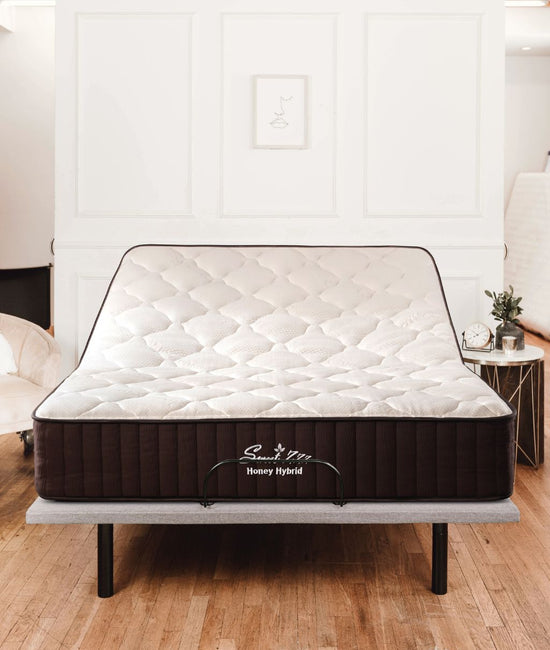
🌿 Honey Mattress
Reduces motion transfer and pressure points so couples can sleep close without sacrificing comfort.
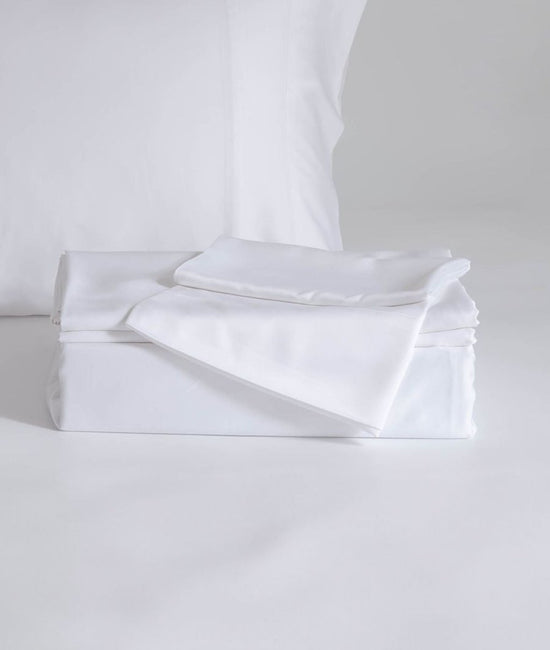
🌿 Bamboo Sheets
Temperature regulation prevents overheating—one of the biggest reasons couples separate at night.
🌿 Adjustable Base
Allows each partner to customize their position without disturbing the other—supporting both intimacy and independence.
When both partners sleep well, bedtime becomes a place of connection again—not compromise.
Final Thoughts
Your sleep position doesn’t define your relationship—but it does reflect how safe, comfortable, and relaxed you feel together.
The healthiest relationships aren’t the ones that sleep tangled forever.
They’re the ones where both people feel secure enough to rest fully—together or apart.
And sometimes, the most romantic thing you can do…
is make sure you both sleep well.