 800-811-7514
How Pollen and Air Quality Can Quietly Disrupt Your Sleep
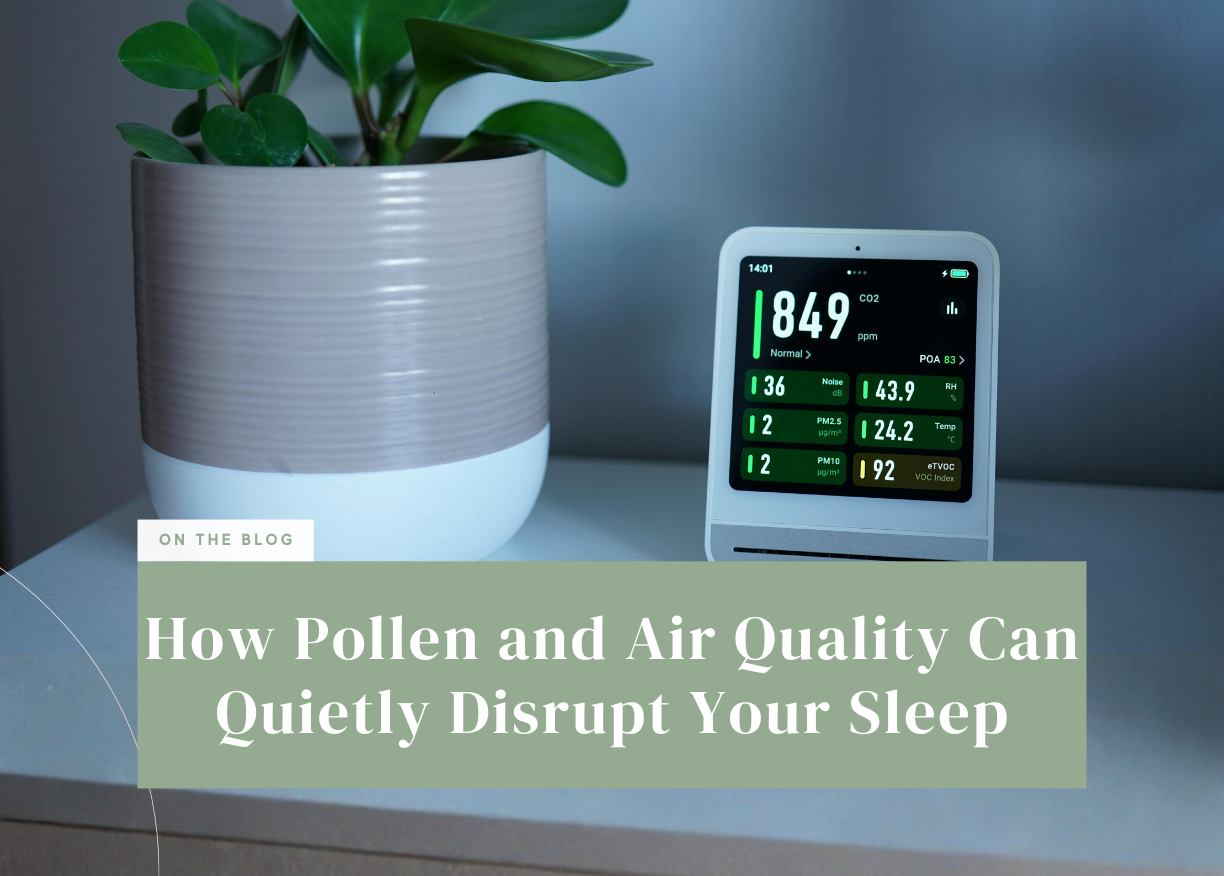
Spring brings fresh air, blooming trees…
and for many people—worse sleep.
You might notice:
-
More congestion at night
-
Waking up feeling stuffy
-
Lighter, more restless sleep
But it’s not always obvious why.
The truth is, pollen and air quality can affect your sleep more than you think—even if your symptoms feel mild during the day.
Why Air Matters More at Night

During the day, you’re upright and moving.
At night:
-
You lie flat
-
Breathing patterns change
-
Your body becomes more sensitive
Small irritations in your airway become more noticeable—and more disruptive.
1. Pollen Can Affect Your Breathing

Pollen particles are tiny—but powerful.
When they enter your system, they can cause:
-
Nasal congestion
-
Inflammation
-
Increased mucus production
This leads to:
-
Mouth breathing
-
Snoring
-
Interrupted sleep
Even mild congestion reduces sleep quality.
2. Poor Air Quality Irritates Your Airways

Air isn’t just oxygen—it carries particles.
Dust, pollution, and allergens can:
-
Irritate your throat
-
Dry out your airway
-
Make breathing feel less smooth
Your body reacts—even if you don’t fully wake up.
3. Your Immune System Stays Active at Night

When exposed to allergens, your immune system responds.
That response includes:
-
Inflammation
-
Histamine release
-
Increased sensitivity
This can lead to:
-
Restlessness
-
More awakenings
-
Lighter sleep
Your body is working when it should be recovering.
4. Congestion Forces Mouth Breathing
When your nose is blocked, you breathe through your mouth.
This can cause:
-
Dry mouth
-
Snoring
-
Less efficient oxygen exchange
Mouth breathing often leads to less restorative sleep.
5. You May Not Realize It’s the Cause
Unlike obvious sleep problems, air-related issues are subtle.
You may just feel:
-
Slightly more tired
-
Slightly more restless
-
Slightly less refreshed
But over time, those small disruptions add up.
Signs Air Quality May Be Affecting Your Sleep

-
You wake up congested
-
You breathe better during the day than at night
-
Your symptoms worsen in spring
-
You notice more snoring
-
You feel tired without a clear reason
What You Can Do to Improve Air While You Sleep
1. Keep Your Bedroom Clean
Reduce dust and allergens in your sleep space.
2. Shower Before Bed (If Needed)
This helps remove pollen from your skin and hair.
3. Keep Windows Closed on High-Pollen Days
Fresh air isn’t always helpful during peak pollen times.
4. Support Nasal Breathing
Address congestion before sleep when possible.
5. Use Cleaner, Breathable Materials
Your bedding should not trap heat or irritants.
Why Your Sleep Setup Still Plays a Role
Even with perfect air, your environment matters.
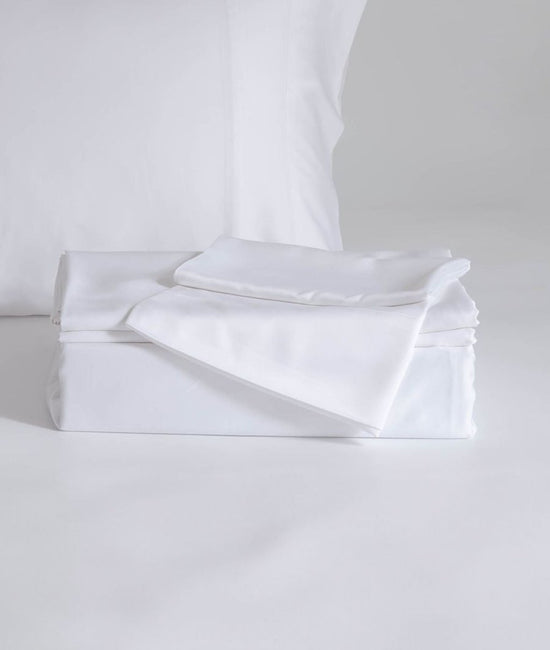
Bamboo Sheets
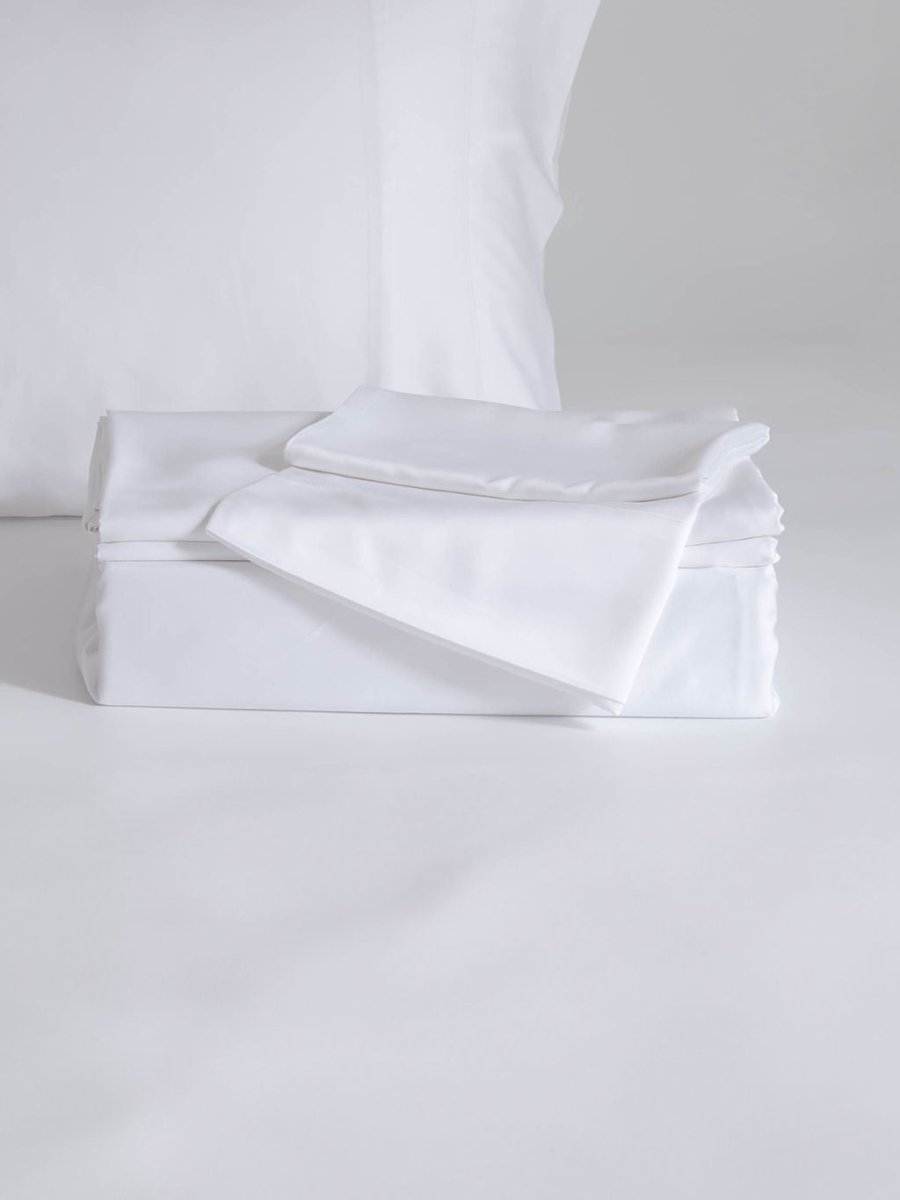
Naturally breathable and moisture-wicking—helping reduce irritation and overheating.
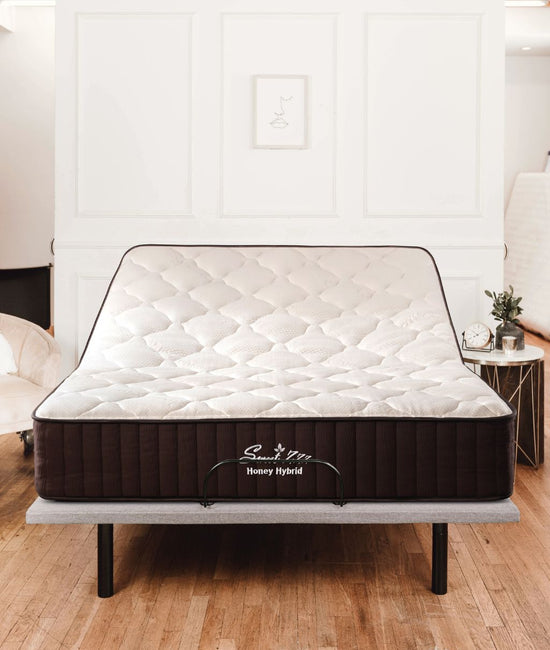
Honey Hybrid Mattress
Supports stable, uninterrupted sleep—so small breathing disruptions don’t wake you as easily.
Adjustable Base
Allows slight elevation, which can help reduce congestion and improve airflow.
When breathing improves, sleep becomes deeper.
Final Thoughts
Pollen and air quality don’t always make themselves obvious.
But they can quietly affect:
-
Your breathing
-
Your sleep depth
-
How you feel the next day
If your sleep feels slightly “off” in spring, air may be part of the reason.
And sometimes, better sleep starts with better breathing.