 800-811-7514
How to Beat the Afternoon Sleepiness
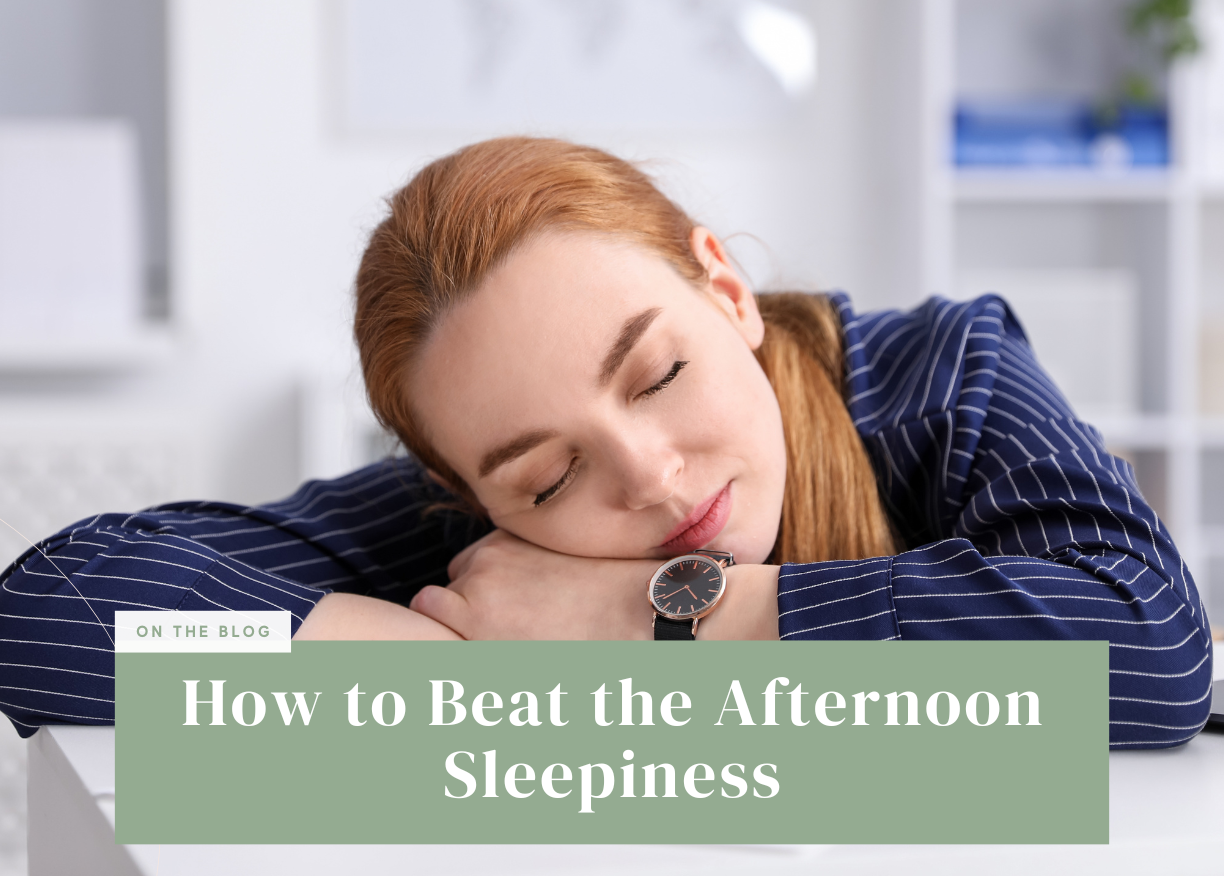

It usually hits after lunch.
You were fine in the morning.
Maybe even productive.
Then suddenly…
your eyes feel heavy.
Your focus disappears.
Your body feels slow.
Your motivation drops.
And all you can think is:
Why am I so sleepy right now?
Afternoon sleepiness is incredibly common.
But just because it’s common doesn’t mean you have to surrender to it every day.
The key is understanding why it happens—and what you can do without ruining your sleep later that night.
Why Afternoon Sleepiness Happens

Your body has a natural rhythm.
Most people feel more alert in the morning, then experience a dip in energy during the early or mid-afternoon.
This doesn’t always mean something is wrong.
Your internal clock naturally creates moments of higher and lower alertness throughout the day.
But when that normal dip becomes extreme, it may be made worse by:
-
Poor sleep the night before
-
Heavy meals
-
Too much sugar
-
Dehydration
-
Heat
-
Sitting too long
-
Too much caffeine too late
-
Stress
-
Irregular sleep schedules
So the afternoon slump is often not one thing.
It’s a combination.
1. Start With the Night Before

The best way to beat afternoon sleepiness is not always an afternoon solution.
It often starts the night before.
If your sleep is short, broken, hot, uncomfortable, or restless, your body may make it through the morning on adrenaline and caffeine.
But by afternoon, that energy runs out.
That’s when the crash arrives.
So before blaming lunch, work, or your schedule, ask:
Did I actually sleep well last night?
Not just long enough.
Well enough.
2. Be Careful With Heavy Lunches

A large, heavy lunch can make the afternoon slump worse.
Especially meals that are high in refined carbs, fried foods, or sugar.
After eating, your body sends more energy toward digestion.
That’s normal.
But if the meal is too heavy, you may feel sluggish, foggy, or ready for a nap.
A better lunch usually includes:
-
Protein
-
Fiber
-
Healthy fats
-
Vegetables
-
Slower-digesting carbs
You don’t need a perfect meal.
Just one that gives you steady energy instead of a quick spike and crash.
3. Don’t Let Dehydration Pretend to Be Tiredness

Sometimes you’re not sleepy.
You’re dehydrated.
Even mild dehydration can make you feel tired, foggy, or less focused.
This is especially important in July when heat, sweating, air conditioning, and outdoor activity can all affect hydration.
If you feel sleepy in the afternoon, try drinking water before reaching for another coffee.
Give it a few minutes.
Your body may simply need fluids.
4. Get Light and Movement

Your body responds strongly to light and movement.
If you spend the whole afternoon indoors, sitting under artificial light, your brain may start drifting into low-energy mode.
A short walk can help.
Even 5–10 minutes outside may improve alertness because you get:
-
Natural light
-
Gentle movement
-
Fresh air
-
A mental reset
You don’t need an intense workout.
You just need to remind your body that the day is still active.
5. Use Caffeine Carefully

Caffeine can help.
But timing matters.
A coffee too late in the day can make it harder to fall asleep at night.
Then you sleep poorly.
Then you need more caffeine the next day.
And the cycle continues.
If caffeine affects your sleep, try keeping it earlier in the day.
For many people, cutting off caffeine by early afternoon is a good place to start.
The goal is not to avoid caffeine completely.
The goal is to use it without borrowing energy from tomorrow.
6. Try a Short Nap—But Keep It Short

A nap can be helpful if you use it correctly.
The best nap for most people is short:
About 10–20 minutes.
Longer naps can leave you groggy, especially if you wake up from deeper sleep.
Late naps can also make it harder to sleep at night.
So if you nap, keep it:
-
Short
-
Early
-
Intentional
A nap should refresh your day.
Not steal from your night.
7. Check the Temperature Around You

Heat can make afternoon sleepiness worse.
When your body is working harder to stay cool, you may feel more drained.
This can happen even indoors if the room is warm, humid, or poorly ventilated.
Try:
-
Lowering the room temperature
-
Using a fan
-
Wearing lighter clothing
-
Drinking cold water
-
Taking a brief walk in cooler air
-
Avoiding heavy meals in hot weather
Summer fatigue is real.
Sometimes your body is not lazy.
It’s overheated.
8. Don’t Ignore Stress Fatigue

Stress can feel like energy at first.
You push through.
You handle things.
You stay busy.
But stress drains the nervous system.
By afternoon, your body may feel tired because it has been running in alert mode all morning.
If that sounds familiar, try a short reset:
-
Step away from the screen
-
Take slow breaths
-
Stretch your shoulders
-
Walk for a few minutes
-
Write down what needs to be done next
Sometimes the body needs a break from pressure more than it needs caffeine.
When Afternoon Sleepiness May Be a Warning Sign

Afternoon tiredness is normal sometimes.
But pay attention if it is extreme, constant, or interfering with daily life.
It may be worth talking to a healthcare professional if you:
-
Feel sleepy every day despite sleeping enough
-
Fall asleep unintentionally
-
Feel drowsy while driving
-
Snore loudly or gasp during sleep
-
Wake up unrefreshed most mornings
-
Have sudden changes in energy
-
Feel tired with mood changes, pain, or other symptoms
Afternoon sleepiness can come from lifestyle.
But it can also be connected to sleep apnea, insomnia, depression, anxiety, medication effects, thyroid issues, low iron, or other health concerns.
Your body may be asking for more attention.
Why Your Sleep Setup Matters
Afternoon energy depends heavily on nighttime recovery.
If your bed is uncomfortable, hot, unsupportive, or causing you to wake up throughout the night, your body may never fully recharge.
Designed to support proper alignment and relieve pressure, helping your body stay comfortable through the night instead of tossing and turning.
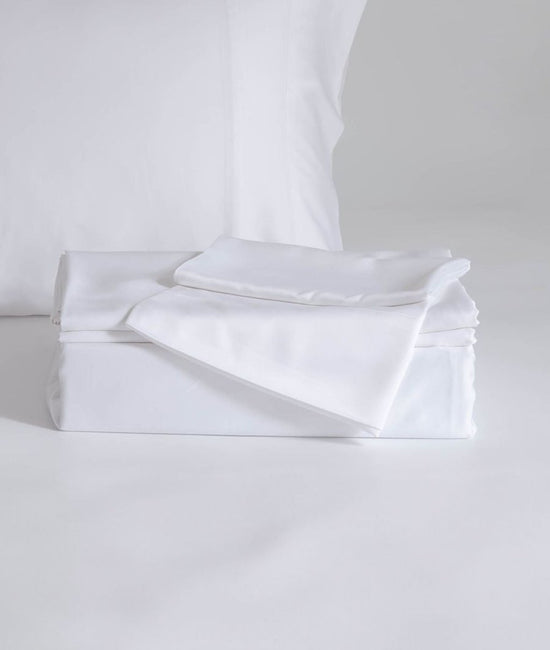
Soft, breathable, and moisture-wicking, they help regulate temperature—especially important during hot July nights.
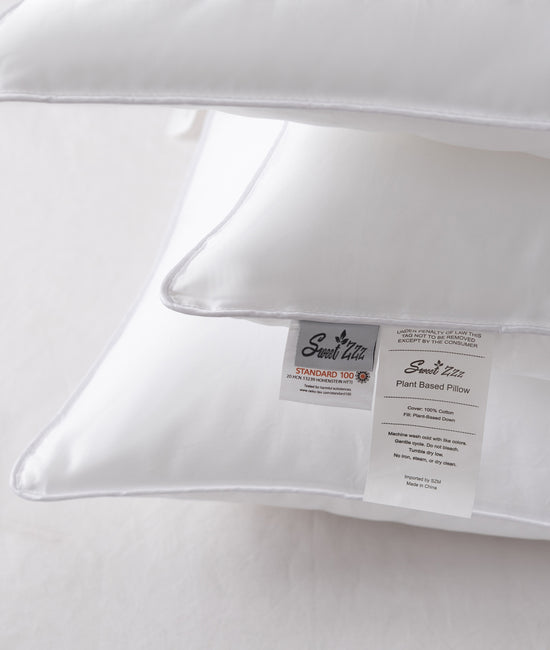
Supports the neck and shoulders so your body can relax more naturally.
Helps you find a more comfortable position before sleep, elevate your legs after a long day, and relax with massage as part of your wind-down routine.
A better night makes a better afternoon.
You don’t beat the slump only at 2 p.m.
You beat it by giving your body better recovery before the day even starts.
Final Thoughts
Afternoon sleepiness is not always a sign that something is wrong.
Sometimes it’s your body’s natural rhythm.
But when the slump becomes too strong, too frequent, or too hard to fight, it’s worth looking closer.
Start with the basics:
Sleep better.
Eat lighter.
Drink water.
Move your body.
Get sunlight.
Use caffeine wisely.
Keep naps short.
Small changes can make the afternoon feel less like a wall you crash into…
and more like a part of the day you can actually enjoy.
Because steady energy does not come from forcing your body harder.
It comes from supporting it better.