 800-811-7514
How Your Body Recovers While You Sleep (And What Interrupts It)


Maybe you got 7–8 hours.
Maybe you stayed in bed all night.
Maybe you didn’t wake up much.
But you still don’t feel fully recovered.
Still feel a little off.
Still not at your best.
Here’s the truth:
Sleep isn’t just about resting.
It’s when your body repairs, resets, and recovers.
And if something interrupts that process—
you feel it the next day.
Your Body Relaxes and Releases Tension

When you first fall asleep:
-
Muscles begin to relax
-
Heart rate slows
-
Breathing becomes steady
This is the foundation of recovery.
Deep Sleep Repairs Your Body

This is where real recovery happens.
During deep sleep:
-
Muscle tissue repairs
-
Inflammation decreases
-
Energy is restored
But deep sleep is fragile.
If you’re uncomfortable:
-
You shift positions
-
You come out of deep sleep
-
Recovery gets interrupted
Your Spine and Joints Reset

While you sleep, your body resets alignment.
This helps:
-
Reduce pressure on joints
-
Restore posture
-
Prevent stiffness
But if your mattress doesn’t support you properly:
-
Your spine falls out of alignment
-
Pressure builds in key areas
-
You wake up stiff or sore
Your Brain Recharges

Sleep isn’t just physical.
Your brain:
-
Processes information
-
Clears mental fatigue
-
Restores focus and clarity
Your Body Stays in a Recovery Cycle
Throughout the night, your body cycles between stages.
To stay in recovery:
-
You need consistent comfort
-
Stable support
-
Minimal disruptions
Even small disturbances can break the cycle.
What Interrupts Your Recovery

Recovery doesn’t fail all at once.
It breaks down in small ways.
Common causes:
-
Poor spinal support
-
Pressure points in shoulders and hips
-
Overheating during the night
-
Constant micro-adjustments
These don’t always wake you fully—
but they reduce your sleep quality.
Why Your Mattress Plays a Key Role

Your mattress controls:
-
How well your body relaxes
-
Whether your spine stays aligned
-
How evenly pressure is distributed
-
How stable your sleep remains
If your mattress isn’t working with your body—
your recovery is incomplete.
How to Support Better Recovery
To improve overnight recovery, focus on:
-
Even, full-body support
-
Proper spinal alignment
-
Pressure relief in key areas
-
Breathable materials for temperature control
Your body should not need to adjust once you’re asleep.
Why Sleep Setup Makes a Difference
When your sleep setup is dialed in, recovery becomes effortless.
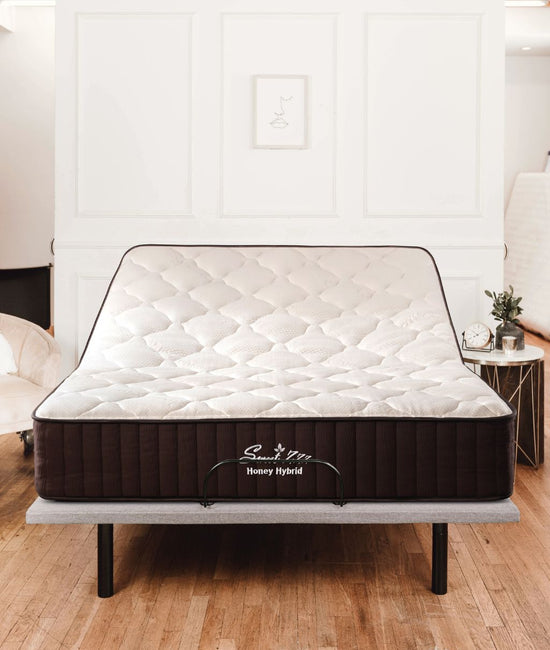
🌿 Honey Hybrid Mattress
Minimizes pressure points and movement so your body stays settled through natural awakenings.
🌿 Bamboo Sheets
Prevent temperature spikes that cause sudden wake-ups.
🌿 Adjustable Base
Gentle elevation can ease breathing and back tension—helping your body relax quickly after waking.
When your body feels safe and supported, your mind follows.
Common Mistakes to Avoid
Focusing only on sleep duration
Ignoring physical discomfort
Sleeping on an unsupportive mattress
Overlooking temperature and airflow
Assuming tiredness is normal
Recovery depends on quality—not just time.
Final Thoughts
Sleep is when your body does its most important work.
Repairing.
Resetting.
Recovering.
But that only happens when your sleep is uninterrupted.
When your body is supported, aligned, and comfortable—
you don’t just sleep…
You recover.