
 800-811-7514
Is It Normal to Move a Lot During Sleep?
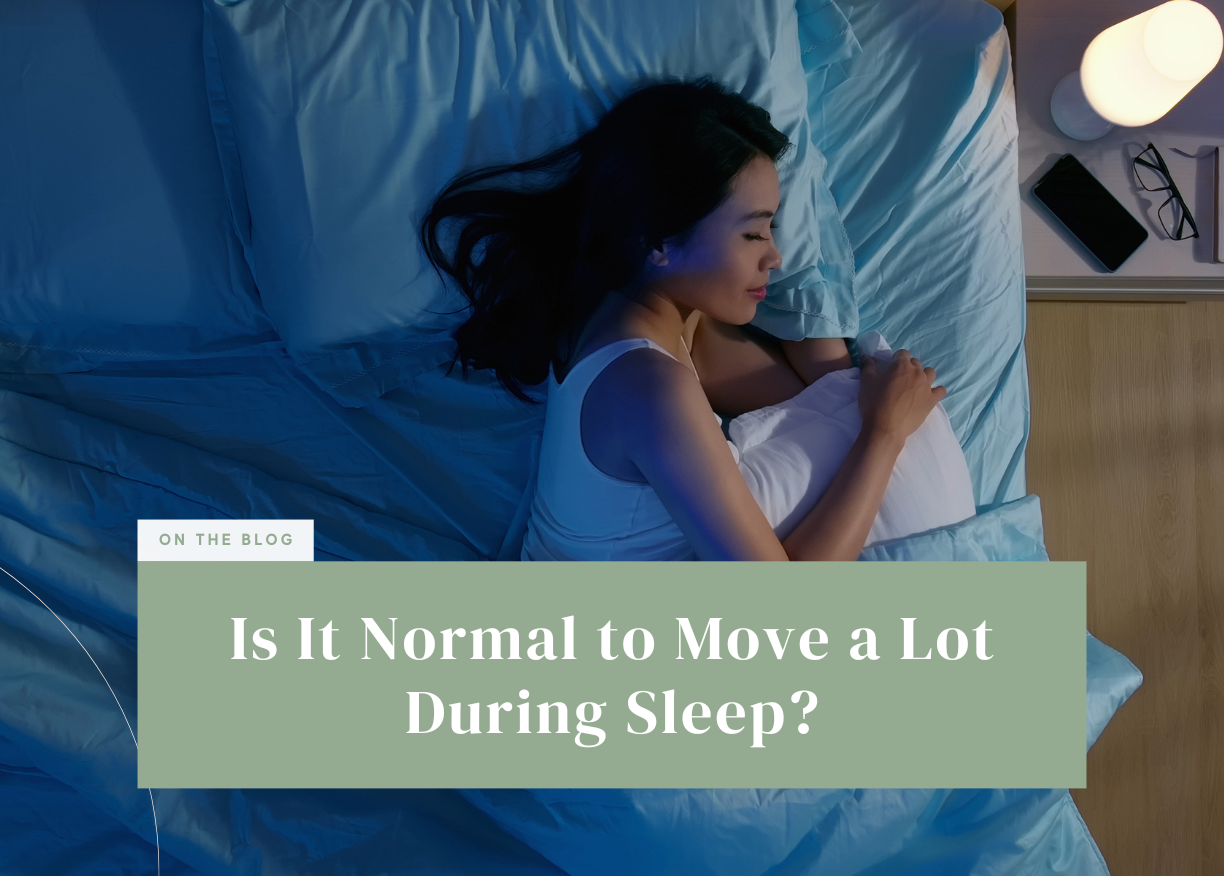

You wake up and the blanket is sideways.
Your pillow’s on the edge of the bed.
You’re in a completely different position than when you fell asleep.
And you wonder:
Am I moving too much at night… or is this normal?
The short answer?
Movement during sleep is completely normal.
But how much you move can tell you something about your sleep quality.
Why We Move During Sleep

Sleep isn’t static.
Your body naturally shifts position to:
-
Relieve pressure
-
Improve circulation
-
Adjust temperature
-
Move between sleep stages
Even healthy sleepers move 10–40 times per night.
Most of these movements are small—and you don’t remember them.
When Movement Is a Good Thing

Some movement is beneficial.
It helps:
-
Prevent stiffness
-
Reduce pressure buildup
-
Keep blood flow balanced
If you wake up feeling refreshed, your movement is likely normal and healthy.
When Movement Becomes a Problem
Excessive or restless movement can signal that something is off.
You may be moving too much if:
-
You wake up tired
-
You feel like you “tossed and turned all night”
-
Your sheets are constantly disrupted
-
You wake up frequently
In these cases, movement isn’t the cause—it’s the reaction.
What Causes Restless Movement at Night

1. Pressure and Discomfort
If your body isn’t supported properly, it keeps adjusting.
2. Temperature Issues
Overheating leads to more tossing and turning.
3. Stress and Mental Restlessness
A more active nervous system = more physical movement.
4. Poor Sleep Quality
Light, fragmented sleep leads to more position changes.
5. A Partner’s Movement
Motion transfer can cause you to move—even if you don’t realize it.
Why You Don’t Remember Most of It
Movement often happens during brief awakenings.
These are:
-
Too short to remember
-
Enough to shift your position
That’s why you can feel like you didn’t move—while your body actually did.
How to Know If Your Movement Is “Too Much”

Ask yourself:
-
Do I feel rested in the morning?
-
Do I wake up frequently?
-
Do I feel physically tense or sore?
If the answer is yes, your movement may be a response to discomfort or poor sleep conditions.
How to Reduce Excessive Movement
1. Improve Support
Your body should feel stable—not like it’s searching for comfort.
2. Regulate Temperature
Avoid overheating during the night.
3. Reduce Stress Before Bed
Calmer mind = calmer body.
4. Minimize Motion Disturbance
If you share a bed, motion isolation matters.
Why Your Sleep Setup Plays a Huge Role
If your body isn’t comfortable, it will keep adjusting.
🌿 Honey Hybrid Mattress
Reduces pressure points and motion transfer—helping your body settle instead of constantly shifting.
🌿 Bamboo Sheets
Keep your temperature stable, reducing the need to move due to heat.
🌿 Adjustable Base
Allows positioning that reduces strain, helping your body stay in a comfortable posture longer.
When your body finds comfort, movement naturally decreases.
Final Thoughts
Moving during sleep is normal.
Moving constantly is a signal.
Your body isn’t restless for no reason—it’s trying to get comfortable.
And when you give it the support it needs, sleep becomes quieter, deeper, and more restorative.