 800-811-7514
Is Your Bedroom Ready for Cold Weather Sleep?


Cold weather changes the bedroom.
Sometimes in good ways.
The room feels calmer.
The bed feels cozier.
The air feels cooler.
Sleep starts to feel more inviting.
But cold weather can also reveal problems you did not notice before.
The room gets too dry.
The bedding gets too heavy.
The windows stay closed.
Dust builds up.
The heater turns on.
Your nose feels stuffier.
Your body feels stiffer.
You wake up hot under blankets but cold when you push them off.
That is why preparing your bedroom for cold weather sleep matters.
Not because your bedroom needs to look perfect.
Because it needs to work better for your body.
Cold-weather sleep is not only about adding warmth.
It is about creating balance.
Cool room.
Warm body.
Breathable bedding.
Cleaner air.
Supportive mattress.
Comfortable pillow.
Less dust.
Less overheating.
Less stiffness.
Your bedroom should help your body settle into the season.
Not fight it all night.
Cold Weather Sleep Needs Balance

When the weather changes, most people think the answer is simple:
Add more blankets.
Turn up the heat.
Wear warmer pajamas.
But that can create new sleep problems.
Too much warmth can make you overheat.
Too much dry heat can irritate your nose and throat.
Too many layers can make it harder to move.
A cold room can make your body tense.
A stuffy room can make breathing feel less comfortable.
So the real goal is not “make the bedroom warm.”
The goal is:
Make the bedroom comfortable enough to stay asleep.
CDC sleep guidance recommends keeping the bedroom quiet, relaxing, and at a cool temperature. It also recommends turning off electronic devices at least 30 minutes before bedtime.
That is a good starting point for cold weather.
Cool.
Relaxing.
Comfortable.
Not freezing.
Not overheated.
Not cluttered with stimulation.
Just a room that makes sleep easier.
Start With the Room Temperature

Cold weather can make temperature confusing.
The bedroom may feel cold when you first walk in.
But once you get under heavy blankets, the bed can become too hot.
Or the room may feel fine at bedtime but get colder by early morning.
That temperature swing can wake you up.
Sleep Foundation notes that the best room temperature for sleep is around 65 degrees Fahrenheit for many adults, although personal comfort varies. It also explains that a room that is too cold can still cause discomfort.
So do not chase a perfect number.
Use it as a guide.
Ask your body better questions:
Do I fall asleep comfortably?
Do I wake up hot?
Do I wake up cold?
Do I wake up around the same time every night?
Do I feel stiff in the morning?
Do I sleep better when the room is slightly cooler or warmer?
Cold-weather bedroom temperature is personal.
The right setup is the one that lets your body stay relaxed from bedtime to morning.
Do Not Overheat the Whole Room

It is tempting to turn the heat up when cold weather arrives.
But a hot bedroom can make sleep restless.
If the air is too warm, your body may struggle to stay comfortable under the covers.
You may wake up sweaty.
Kick off blankets.
Get cold.
Pull them back on.
Wake again.
Instead of overheating the whole room, try keeping the room comfortably cool and using breathable layers on the bed.
This gives your body more control.
You can add or remove a layer without turning the whole bedroom into a heat trap.
Warm bedding in a cool room often works better than a hot room with heavy bedding.
Layer Bedding Instead of Using One Heavy Blanket

One heavy comforter can feel amazing at bedtime.
But it gives you almost no flexibility.
If you are too hot, you remove it.
Then you are too cold.
Then you pull it back on.
Then you are hot again.
That cycle can break sleep all night.
Layering works better.
Start with breathable sheets.
Add a light blanket.
Keep a warmer layer nearby.
Use socks if your feet get cold.
Bring out the heavy comforter only when the weather truly calls for it.
Sleep Foundation recommends using bedding strategically, including multiple layers that can be added or removed, and notes that the mattress and bedding both matter for a sleep-friendly bedroom.
Cold-weather sleep is easier when your bedding can adjust.
Because the night does not stay the same temperature from bedtime to morning.
Choose Sheets That Breathe

Sheets matter more in cold weather than people think.
When nights get cooler, many people focus only on blankets.
But sheets are the first layer against your skin.
If your sheets trap heat or moisture, the whole bed can feel too warm, even if the room is cool.
If they feel rough, heavy, or clammy, your body may stay restless.
Breathable sheets help create a better foundation.
They let the bed feel cozy without feeling sticky.
They help your body stay comfortable under fall and winter layers.
They also make it easier to adjust warmth without overheating.
Cold-weather bedding should not suffocate the sleep surface.
It should help it breathe.
Check the Mattress Protector

A mattress protector is important.
It helps protect your mattress from moisture, spills, sweat, and everyday buildup.
But not all protectors feel the same.
Some can trap heat.
Some feel plasticky.
Some make noise.
Some change the feel of the mattress.
That becomes more noticeable in cold weather because you are already adding more layers.
If your bed suddenly feels hotter, stiffer, or less breathable, your protector may be part of the issue.
A good cold-weather sleep setup needs protection without heat trapping.
You want the mattress protected, but the sleep surface still comfortable.
Look at the Mattress Itself

Cold weather can make mattress problems harder to ignore.
If your mattress is too firm, pressure points may feel sharper.
If it is too soft, your hips may sink and your lower back may feel worse.
If it is sagging, your spine may be pulled out of alignment.
If it traps heat, heavy bedding may make you wake up hot.
If it lacks responsiveness, moving under winter blankets may feel harder.
A mattress that felt “fine” in summer may not feel as good once your body is colder, stiffer, and sleeping under heavier layers.
This is why cold weather is a good time for a mattress check.
Ask:
Do I wake up stiff?
Do my hips or shoulders feel pressure?
Does my lower back feel supported?
Do I toss and turn more?
Do I wake up hot under blankets?
Does the mattress have dips or soft spots?
Do I sleep better somewhere else?
Your bedroom may be ready for cold weather.
But if the mattress is not, your body will notice.
Your Pillow Needs a Cold-Weather Check Too

A pillow can quietly ruin sleep.
Especially when colder weather already makes your neck and shoulders feel tighter.
If your pillow is too high, your neck bends upward.
If it is too low, your head drops.
If it is flat, lumpy, or unsupportive, your muscles may stay active all night.
Then you wake up with neck stiffness, shoulder tension, or headaches.
A cold-weather sleep reset should include the pillow.
Not only the blanket.
Your pillow should support your head and neck in your real sleep position.
Side sleepers often need more height.
Back sleepers usually need moderate support.
Stomach sleepers usually need a thinner pillow, although stomach sleeping can strain the neck and lower back for many people.
The goal is simple:
Your neck should not have to work while you sleep.
Control Bedroom Humidity

Cold weather often changes indoor air.
Heating systems can dry the air.
Closed windows can make the room feel stale.
Some homes become too dry.
Others become damp or musty.
Both can affect sleep.
Dry air may irritate the nose, throat, mouth, eyes, and skin.
Damp air can make the room feel heavy and may increase mold concerns.
The EPA recommends keeping indoor humidity between 30% and 50% in its indoor air quality guidance.
That range is useful because it gives you a target.
Not too dry.
Not too damp.
Balanced.
A small humidity monitor can help you stop guessing.
If the air is too dry, a clean humidifier may help.
If the room is damp or smells musty, ventilation, cleaning, and moisture control matter more.
The goal is air that feels comfortable to breathe all night.
Watch for Mold and Musty Smells

Cold weather often means windows stay closed.
If there is moisture in the room, that can create problems.
A musty smell is not something to ignore.
Check around:
Windows.
Walls.
Closets.
Vents.
Bathrooms.
Corners.
Behind furniture.
Under rugs.
Near humidifiers.
The EPA says indoor humidity should be kept below 60%, ideally between 30% and 50%, to help reduce mold and moisture problems.
If you see mold or smell mustiness, address the moisture source.
Do not just cover it with fragrance.
A bedroom should smell fresh because it is clean and dry.
Not because a candle is hiding something.
Do a Dust Reset Before Winter

Cold-weather bedrooms can get dusty quickly.
Windows close.
Heating systems run.
Blankets come out of storage.
Carpets hold dust.
Curtains collect dust.
Under-bed storage gets ignored.
Dust may not seem like a sleep issue, but it can make nights feel stuffy, itchy, or irritating.
Mayo Clinic recommends reducing house dust, especially in the bedroom, when managing dust mite allergy. It advises keeping the bedroom clean, removing dust-collecting clutter, and washing bedding in hot water.
A simple dust reset can make the bedroom feel much better.
Dust surfaces.
Vacuum floors.
Clean under the bed.
Wash bedding.
Clean curtains if needed.
Reduce extra fabric around the bed.
Check vents and filters.
Cold-weather sleep improves when the room feels breathable.
Not dusty and closed in.
Wash the Bedding That Has Been Stored Away

Fall and winter bedding often sits in storage for months.
Then one cold night arrives, and it goes straight onto the bed.
But stored bedding may hold dust, musty smells, pet hair, or allergens.
Wash or refresh it before using it.
Comforters.
Blankets.
Throws.
Extra pillowcases.
Mattress pads.
Decorative bedding.
Mayo Clinic recommends washing sheets, pillowcases, and blankets at least once a week in water heated to at least 130°F to help control dust mites.
Always follow care labels.
But the point is simple:
Do not bring stored bedding into your sleep environment without refreshing it first.
Your bed should feel clean, not just warm.
Use Covers and Protectors Where They Make Sense

Mattresses and pillows are harder to wash than sheets.
That is why covers and protectors matter.
Mayo Clinic recommends encasing pillows, mattresses, and box springs in dust-mite-proof covers for allergy-proofing the bedroom.
This can be especially useful in colder months when windows close, heating systems run, and people spend more time indoors.
A protector is not glamorous.
But it is practical.
It helps create a cleaner barrier.
It helps protect the mattress.
It makes the sleep surface easier to maintain.
Cold-weather comfort should include cleanliness, not only warmth.
Be Careful With Strong Scents

When people prepare bedrooms for cold weather, they often add scent.
Candles.
Room sprays.
Plug-ins.
Scented laundry products.
Essential oils.
Seasonal fragrances.
Cinnamon.
Pumpkin.
Vanilla.
Pine.
These can make the room feel cozy.
But they can also irritate some sleepers.
If you wake up with headaches, congestion, throat irritation, or coughing, try removing strong scents from the bedroom for a week.
A bedroom does not need to smell like a store display.
It should smell clean, fresh, and calm.
For sleep, less is often better.
Check the Heating System

When the heater turns on for the first time, the bedroom can feel different.
The air may feel dry.
Dust may circulate.
Vents may blow toward the bed.
The room may become too warm early in the night and too cool later.
If your sleep changes when the heat turns on, look at the system.
Change or clean filters as recommended.
Dust vents.
Make sure airflow is not blasting directly at your face.
Check whether the thermostat changes too much overnight.
Notice if the room becomes too dry.
Cold-weather sleep is often less about the outside temperature and more about how your home handles heat.
Make the Room Darker at Night

Cold weather often comes with longer nights.
That can help sleep if your room is actually dark.
But many bedrooms are still filled with small lights.
Phone chargers.
Routers.
Alarm clocks.
TV standby lights.
Streetlights.
Hallway light.
Bathroom light.
Outdoor security lights.
A darker room can help reduce sleep disruption.
CDC/NIOSH guidance also recommends a sleep environment that is very dark, quiet, cool, and comfortable.
Use blackout curtains if outside light enters.
Cover small device lights if needed.
Keep the phone away from the bed.
Let the bedroom feel like night.
Not a dim office with pillows.
But Make Mornings Bright

Cold-weather mornings can feel brutal.
The room is dark.
The bed is warm.
The air is cool.
The alarm sounds wrong.
If your bedroom stays dark too long after waking, your body may struggle to shift into daytime mode.
So make mornings brighter.
Open curtains quickly.
Turn on lights.
Step outside if possible.
Drink coffee near a window.
A cold-weather bedroom should be dark at night.
But it should not keep you trapped in darkness all morning.
Your body needs both signals.
Dark for sleep.
Light for waking.
Reduce Noise Surprises

Cold weather changes sound.
Heating systems click.
Radiators knock.
Wind gets louder.
Rain hits windows.
Neighbors are indoors more.
The house creaks.
Windows stay closed, so some sounds feel sharper.
If sudden noises wake you, consider making sound more predictable.
A fan.
White noise.
Soft steady sound.
The goal is not perfect silence.
Perfect silence can make every small noise feel bigger.
The goal is a steady sound environment that helps your brain stop reacting to every little change.
A predictable room often feels safer.
And a safer-feeling room supports sleep.
Remove Work From the Bedroom

Cold weather can make the bedroom more tempting during the day.
It feels warm.
Comfortable.
Private.
So people start doing more there.
Emails.
Laptop work.
Scrolling.
Shopping.
Calls.
Stress.
Then the bedroom becomes mentally noisy.
Even when the lights are off.
If possible, keep work out of the bed.
If your home is small and the bedroom has to serve multiple purposes, create a clear transition.
Close the laptop.
Move it away from the bed.
Clear the nightstand.
Dim the lights.
Make the room feel like sleep again.
The bedroom should not carry the whole day into the night.
Prepare for Cold Feet

Cold feet can make sleep harder for many people.
Even if the room is not freezing, cold feet can make the body feel unsettled.
Try simple fixes:
Light breathable socks.
An extra blanket near the foot of the bed.
A warm shower before bed.
Keeping the floor near the bed warmer.
Avoiding overly cold bedroom temperatures.
The goal is not to overheat the whole room.
Just to keep your body relaxed enough to sleep.
Sometimes one small comfort change makes the whole night better.
Create a Cold-Weather Wind-Down

Cold weather naturally invites slower evenings.
Use that.
Do not let the night become hours of scrolling under blankets.
Create a repeatable wind-down.
Dim lights.
Make tea if that works for you.
Take a warm shower.
Stretch gently.
Pray, meditate, or breathe quietly.
Read something calming.
Write tomorrow’s top tasks.
Put the phone away.
The CDC recommends turning off electronic devices at least 30 minutes before bedtime.
That final 30 minutes matters.
Cold-weather sleep improves when your mind is also ready for rest.
Not just your bed.
A Cold-Weather Bedroom Checklist

Use this before the season gets colder.
1. Temperature
Is the room cool but comfortable?
Are you waking up hot or cold?
Does the temperature change too much by morning?
2. Bedding
Are you using layers?
Or one heavy blanket that makes you overheat?
Can you adjust warmth without fully waking up?
3. Sheets
Are your sheets breathable?
Do they trap heat or moisture?
Do they feel good under heavier blankets?
4. Mattress
Do you wake up stiff?
Do you feel pressure in your hips or shoulders?
Does your lower back feel supported?
Does the mattress trap heat?
5. Pillow
Does your pillow support your neck?
Do you wake with shoulder or neck tension?
Is it old, flat, or lumpy?
6. Protector
Does your mattress protector breathe?
Or does it make the bed feel hot, stiff, or noisy?
7. Humidity
Does the air feel too dry?
Too damp?
Musty?
A humidity monitor can help you know instead of guessing.
8. Dust
Have you dusted, vacuumed, washed bedding, and reduced clutter near the bed?
9. Heating
Are filters clean?
Are vents dusty?
Is heat blowing directly on you?
Is the room too warm at night?
10. Light
Is the bedroom dark at night?
Is it bright enough in the morning?
11. Sound
Are sudden noises waking you?
Would steady background sound help?
12. Routine
Do you have a simple wind-down?
Or does the day follow you straight into bed?
When Cold-Weather Sleep Problems Need More Attention

A better bedroom can help many sleep issues.
But it does not replace medical care.
Talk to a healthcare professional if you have ongoing insomnia, severe daytime sleepiness, loud snoring, gasping, breathing pauses, frequent morning headaches, persistent congestion, worsening allergies, chronic pain, night sweats, anxiety symptoms, depression symptoms, or sleep problems that affect daily life.
If your bedroom is clean, comfortable, cool, and supportive but sleep still feels poor, there may be something else going on.
Your room matters.
But your health matters too.
The Sweet Zzz Setup for Cold Weather Sleep
Cold-weather sleep needs more than warmth.
It needs comfort that lasts all night.
Support.
Pressure relief.
Breathability.
Cleanliness.
Flexibility.
That is where the right sleep setup matters.
🌿 Honey Hybrid Mattress
The Honey Hybrid is designed to support spinal alignment, relieve pressure, and help your body stay comfortable through cooler nights.
The GOLS organic latex provides responsive comfort, while individually pocketed coils offer stable support and help reduce motion transfer.
Its breathable organic materials help reduce heat buildup, which matters when you start adding heavier blankets.
The Honey Hybrid is made without polyurethane foams, fiberglass, chemical flame retardants, glues, formaldehyde, or heavy metals.
Choose the firmness that fits your sleep position:
Medium-Soft for side sleepers and pressure relief.
Medium-Firm for back sleepers, couples, and combination sleepers.
Firm for stomach sleepers and stronger support.
Honey Hybrid Plus for an extra firm feel around 9 out of 10.
🌿 Bamboo Sheets
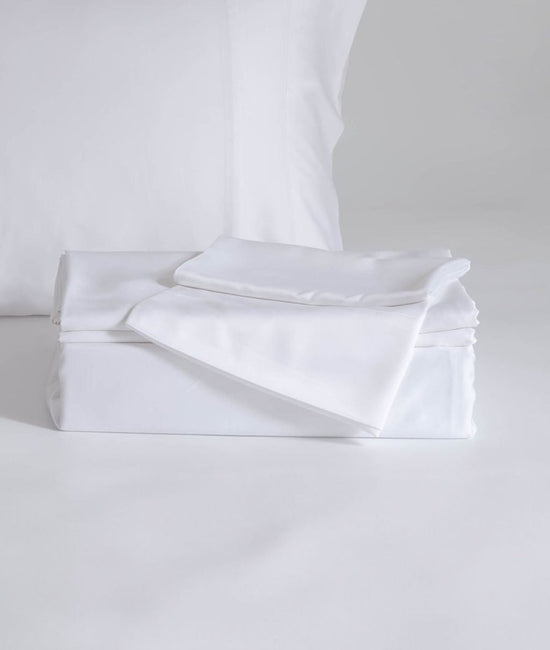
Soft, breathable, and moisture-wicking, Bamboo Sheets help keep the sleep surface comfortable under fall and winter bedding.
They are especially helpful when you want warmth without feeling sticky or overheated.
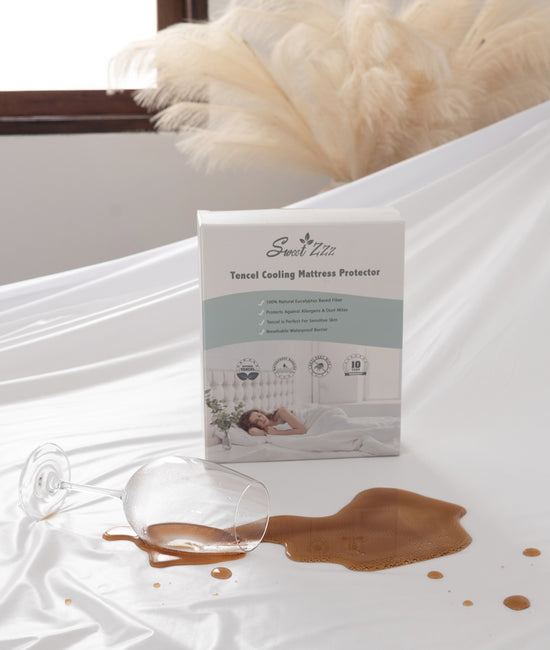
🌿 Cooling Tencel Mattress Protector
Helps protect your mattress from moisture, spills, and everyday buildup while keeping the sleep surface breathable and easier to maintain.
This is a practical cold-weather addition because bedding gets heavier and rooms are closed more often.
🌿 Plant-Based Pillow
Supports the head and neck so your upper spine can relax into better alignment.
When cold weather already makes the body feel tighter, your pillow should not add more tension.
🌿 Organic Latex Topper
Helpful if your mattress is still supportive but feels too firm.
It adds pressure relief without replacing the whole bed.
But if your mattress is sagging or too soft, a topper may not solve the support problem.
🌿 Adjustable Base
Helps you read, relax, elevate your head or legs, and use massage before sleep.
It can make cold-weather wind-down routines more comfortable and help reduce pressure before bed.
🌿 White Noise Machine
Helpful for heating sounds, wind, neighbors, apartment noise, or sudden nighttime sounds.
A steady sound environment can make the bedroom feel more predictable and calming.
A cold-weather bedroom should feel warm enough to relax, breathable enough to avoid overheating, and supportive enough to help your body recover.
Final Thoughts
Cold-weather sleep is not only about getting warmer.
It is about getting balanced.
A bedroom that is too cold can wake you.
A bedroom that is too warm can make you restless.
Dry air can irritate you.
Damp air can feel musty.
Dust can make sleep feel stuffy.
Heavy bedding can trap heat.
A poor mattress can make stiffness worse.
A bad pillow can turn cooler mornings into neck pain.
So before winter fully settles in, check your bedroom.
Temperature.
Bedding.
Sheets.
Mattress.
Pillow.
Humidity.
Dust.
Airflow.
Light.
Sound.
Routine.
Small changes can make a big difference.
Because cold-weather sleep should not feel like a nightly battle between freezing and overheating.
It should feel calm.
Steady.
Comfortable.
Fresh.
Supportive.
Like your bedroom is ready for the season, and your body finally has permission to rest.