 800-811-7514
Is Your Mattress Making Cold-Weather Aches Worse?


Cold weather has a way of making the body feel louder.
Your lower back feels tighter.
Your shoulders feel stiffer.
Your hips feel less relaxed.
Your knees feel slower in the morning.
Your body takes longer to warm up after getting out of bed.
At first, it is easy to blame the weather.
And sometimes, the weather really is part of it.
Cooler temperatures, less movement, heavier bedding, and darker mornings can all make the body feel different.
But there is another possibility people often miss:
Cold weather may not be causing the problem. It may be revealing that your mattress is not supporting you well enough.
A mattress that felt “fine” during summer can suddenly feel less comfortable when the season changes.
Pressure points feel sharper.
Morning stiffness feels stronger.
Lower back tension becomes harder to ignore.
So if your body starts aching more when the weather gets colder, it may be time to look at your bed.
Not just the temperature outside.
Why Cold Weather Can Make Aches More Noticeable

Many people feel more stiffness or joint discomfort in cold, damp weather.
Cleveland Clinic notes that cold weather may contribute to joint pain and stiffness, and advises seeing a healthcare professional if cold-weather joint pain is persistent, worsening, or comes with swelling that lasts more than one to two months.
That does not mean every ache is caused by the weather.
And it does not mean cold weather is always the main problem.
But colder weather can make existing discomfort more noticeable.
You may move less.
Muscles may feel tighter.
Joints may feel less fluid.
Mornings may feel slower.
If your mattress is already creating pressure, poor alignment, or heat issues, colder weather can make those problems harder to ignore.
The Bed Matters More When Your Body Feels Stiff

When your body feels loose and relaxed, you may tolerate a less-than-perfect mattress.
But when your body already feels stiff, the bed matters more.
A mattress that is too firm may create more pressure.
A mattress that is too soft may let the hips sink.
A sagging mattress may pull the spine out of alignment.
A pillow that is too high or too low may make the neck and shoulders feel worse.
A bed that traps heat under heavy blankets may make you toss and turn.
Cold weather does not always create the problem.
Sometimes it removes your ability to ignore it.
Your Mattress May Be Too Firm for Cold-Weather Comfort

A firm mattress can feel supportive at first.
But if it is too firm for your body or sleep position, it may create pressure points.
This is especially common for side sleepers.
When you sleep on your side, your shoulders and hips press more directly into the mattress.
If the mattress does not allow those areas to settle, pressure builds.
That pressure can make you wake up with:
-
Sore shoulders
-
Hip pain
-
Arm numbness
-
Lower back tension
-
More tossing and turning
-
Morning stiffness
Sleep Foundation explains that mattresses that are too firm can create pressure buildup, while mattresses with inadequate support can allow the midsection to sag and strain the lower back.
This is why “firmer” is not always better.
A mattress should support you, but it should also let pressure points relax.
Your Mattress May Be Too Soft for Cold-Weather Support

A mattress that is too soft can feel cozy in colder weather.
But cozy does not always mean supportive.
If your hips sink too deeply, your lower back may curve out of position.
If your body drops into the mattress, your muscles may stay active all night trying to stabilize you.
If changing positions feels hard, you may wake up more often.
That can lead to:
-
Lower back pain
-
Hip discomfort
-
Morning stiffness
-
A trapped feeling
-
Restless sleep
-
Feeling worse after a full night in bed
Sleep Foundation explains that a mattress that allows the torso to sink too deeply can create strain through the spine.
A soft mattress can feel nice when you first lie down.
But the morning tells the truth.
If you wake up tight, unsupported, or sore, the mattress may not be giving your body enough stability.
Medium-Firm Often Works Because It Balances Support and Relief

For many people, the best mattress for back comfort is not extremely hard or extremely soft.
It is balanced.
A major clinical trial found that people with chronic nonspecific low back pain using medium-firm mattresses had better outcomes for pain in bed, pain on rising, and disability than those using firm mattresses.
Harvard Health also notes that people with low back pain who slept on very hard mattresses reported poorer sleep quality, while medium-firm and firm mattresses performed better.
This does not mean medium-firm is perfect for everyone.
Side sleepers may need more pressure relief.
Stomach sleepers may need stronger support.
Heavier sleepers may need more stability.
Lighter sleepers may feel firmness more sharply.
But the lesson is important:
Back comfort usually needs balance.
Not an extreme.
Cold Weather Can Make Pressure Points Feel Worse

Pressure points are areas where your body presses more heavily into the mattress.
Common areas include:
-
Shoulders
-
Hips
-
Knees
-
Lower back
-
Ribs
-
Neck
When the weather is colder, your body may feel less relaxed.
Muscles may feel tighter.
You may move less.
You may sleep under heavier bedding that makes changing positions harder.
That means pressure points may build more noticeably through the night.
A mattress with poor pressure relief can make this worse.
Your body keeps trying to escape discomfort.
You turn over.
Adjust.
Wake briefly.
Shift again.
By morning, you may feel like you slept, but your body never truly rested.
Heavy Bedding Can Make a Bad Mattress Feel Worse

Cold weather usually means heavier blankets.
That can be comforting.
But it can also change how your body interacts with the bed.
A heavy comforter may restrict movement.
You may stay in one position longer.
You may overheat under the covers.
You may wake up, kick the blanket off, get cold, and pull it back on.
If your mattress already creates pressure or poor support, heavier bedding can make the problem more noticeable.
Your sleep setup works as a system.
Mattress.
Pillow.
Sheets.
Blanket.
Room temperature.
If one part is off, the whole night can feel off.
Less Movement During the Day Can Make the Bed Feel Worse at Night

In colder months, many people move less.
Fewer walks.
Less time outside.
More sitting.
More time indoors.
Shorter days.
When the body moves less during the day, muscles can feel tighter at night.
That can make mattress discomfort more noticeable.
A mattress that creates slight pressure in summer may feel much worse when your hips, back, and shoulders already feel tight.
The CDC includes regular exercise as one habit that supports healthy sleep.
You do not need intense workouts.
Even light movement, walking, and gentle stretching can help your body feel less stiff before bed.
A better mattress helps.
But a body that moves during the day often sleeps better too.
Your Pillow May Be Adding to Cold-Weather Aches

If your neck or shoulders feel worse in colder weather, do not only blame the mattress.
Look at your pillow.
A pillow that is too high can bend the neck upward.
A pillow that is too low can let the head drop.
A flat or lumpy pillow can make the muscles work all night.
This can lead to:
-
Neck stiffness
-
Shoulder tension
-
Headaches
-
Upper back discomfort
-
Arm numbness
-
Restless sleep
Cold weather can make muscle tension feel more noticeable.
So if your pillow is already wrong, colder mornings may make the problem obvious.
Your mattress supports the body.
Your pillow supports the top of the spine.
Both matter.
Your Mattress May Be Too Old or Sagging

A mattress can slowly lose support over time.
The change is often gradual.
You may not notice it day by day.
But eventually, your body starts reacting.
Signs include:
-
Dips where you sleep
-
Softer spots under your hips
-
Rolling toward the middle
-
Weak edges
-
More tossing and turning
-
Waking up stiff
-
Sleeping better somewhere else
A sagging mattress can pull your body out of alignment for hours.
That can make cold-weather stiffness worse because your body is already less forgiving.
If the mattress has lost its support, adding blankets will not fix it.
A topper may not fix it either.
You may need a better support system.
Your Mattress May Be Trapping Heat Under Cold-Weather Bedding

This sounds contradictory, but it is common.
The weather is colder.
The room feels cooler.
But you still wake up hot.
Why?
Because the heat is trapped under the bedding.
If your mattress, sheets, protector, pajamas, and blanket all hold heat, your body may overheat even in a cold room.
Then you toss and turn.
Your muscles tense.
You wake up.
You kick off covers.
Then you get cold.
That constant temperature swing can make the body feel worse in the morning.
A breathable mattress and breathable bedding are important in cold weather too.
Not only summer.
Cold Weather Aches Are Not Always a Mattress Problem

A mattress can contribute to aches, but it is not always the full explanation.
Aches and stiffness can come from:
-
Arthritis
-
Injury
-
Inflammation
-
Muscle strain
-
Poor posture
-
Less movement
-
Stress tension
-
Medical conditions
-
Medication effects
-
Sleep disorders
Cleveland Clinic notes that arthritis can cause joint pain, stiffness, and inflammation, and that cold and humidity are common joint pain triggers for some people.
If pain is persistent, worsening, one-sided, swollen, severe, or affecting daily life, talk to a healthcare professional.
A better bed can support comfort.
But ongoing pain deserves real evaluation.
How to Tell If Your Mattress Is Making Cold-Weather Aches Worse

Your mattress may be part of the problem if:
-
You wake up stiff in the same areas
-
Pain is worse in the morning
-
You feel better after moving around
-
You sleep better away from home
-
Your mattress has dips or sagging
-
Your shoulders or hips feel pressure
-
Your lower back feels unsupported
-
You toss and turn more under fall bedding
-
You wake up hot under heavy blankets
-
Your pillow leaves your neck tense
-
The mattress feels too hard in cold weather
-
The mattress feels too soft and sinking
The most important question is simple:
Do you wake up feeling like your bed helped your body recover, or like your body had to recover from your bed?
That answer matters.
What Kind of Mattress Helps With Cold-Weather Aches?

A good mattress for cold-weather comfort should do several things well.
It should support spinal alignment.
It should relieve pressure.
It should let you move easily.
It should stay breathable under heavier bedding.
It should match your sleep position.
It should remain stable over time.
Sleep Foundation notes that support refers to whether a mattress promotes proper spinal alignment, while firmness refers to how soft or hard the mattress feels.
That distinction matters.
You are not only choosing how the mattress feels.
You are choosing how your body rests for hours.
Firmness Should Match Your Sleep Position

Side Sleepers
Side sleepers need more pressure relief at the shoulders and hips.
If the mattress is too firm, those areas may ache more in colder weather.
Medium-soft often works better for pressure relief.
Back Sleepers
Back sleepers usually need balanced support.
The mattress should support the lower back without feeling overly hard.
Medium-firm often works well.
Stomach Sleepers
Stomach sleepers usually need firmer support.
If the hips sink too far, the lower back can strain.
Firm or extra firm support may be better.
Combination Sleepers
Combination sleepers need responsiveness.
If the mattress traps the body, turning over becomes harder.
A responsive mattress helps movement feel easier.
Why Latex Hybrid Construction Can Help

A latex hybrid mattress can be helpful during colder months because it offers a balance of pressure relief and support.
Latex is responsive.
It cushions without making you feel stuck.
Pocketed coils provide stable support underneath.
Together, they can help the body stay aligned while reducing pressure at the shoulders, hips, and lower back.
That balance matters when colder weather makes aches and stiffness more noticeable.
You need comfort.
But you also need support.
What Else Can Help Cold-Weather Aches at Night?

1. Warm Up Before Bed
A warm shower or bath can help your body relax before sleep.
Do not overheat.
Just create a gentle transition into rest.
2. Stretch Gently
Gentle stretching can help reduce tension in the hips, lower back, calves, and shoulders.
Do not force deep stretches before bed.
The goal is relaxation.
3. Move During the Day
A short walk or light movement can help reduce stiffness.
This is especially important when colder weather makes you less active.
4. Use Breathable Layers
Stay warm without overheating.
Use breathable sheets and flexible blankets.
Avoid trapping heat under one heavy layer.
5. Support Your Sleep Position
Back sleepers may benefit from a pillow under the knees.
Side sleepers may benefit from a pillow between the knees.
Neck support should match your pillow to your position.
6. Check the Room Temperature
Cool is good.
Cold and tense is not.
Make sure your bedroom supports relaxation, not bracing.
When Aches Need Medical Attention

Talk to a healthcare professional if pain is severe, persistent, worsening, follows an injury, spreads down the leg, causes numbness or weakness, comes with swelling, or affects your daily life.
Also seek medical guidance if joint pain gets worse in cold weather and comes with swelling that lasts, or if symptoms continue for more than a month or two. Cleveland Clinic specifically advises getting cold-weather joint pain checked when it is persistent, escalating, or accompanied by lasting swelling.
A better mattress may help comfort.
But it should not replace medical care when symptoms point to something more.
The Sweet Zzz Setup for Cold-Weather Aches
Cold-weather comfort is not only about warmth.
It is about support, pressure relief, breathability, and alignment.
🌿 Honey Hybrid Mattress
Designed to support spinal alignment and relieve pressure at the shoulders, hips, and lower back.
The GOLS organic latex provides responsive comfort, while individually pocketed coils offer stable support and help reduce motion transfer.
Its breathable organic materials help reduce overheating under heavier fall and winter bedding.
The Honey Hybrid is made without polyurethane foams, fiberglass, chemical flame retardants, glues, formaldehyde, or heavy metals.
Choose the firmness that fits your sleep position:
Medium-Soft for side sleepers and pressure relief.
Medium-Firm for back sleepers, couples, and combination sleepers.
Firm for stomach sleepers and stronger support.
Honey Hybrid Plus for an extra firm feel around 9 out of 10.
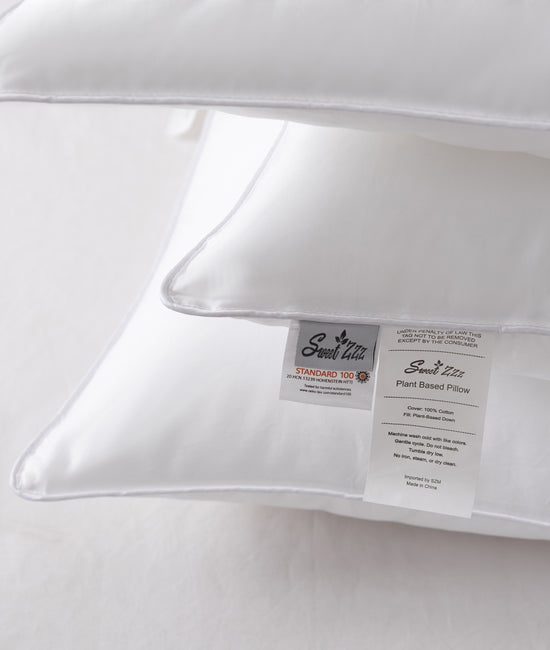
🌿 Plant-Based Pillow
Supports the head and neck so your upper spine can relax into better alignment.
This matters when cooler mornings already make your body feel tighter.
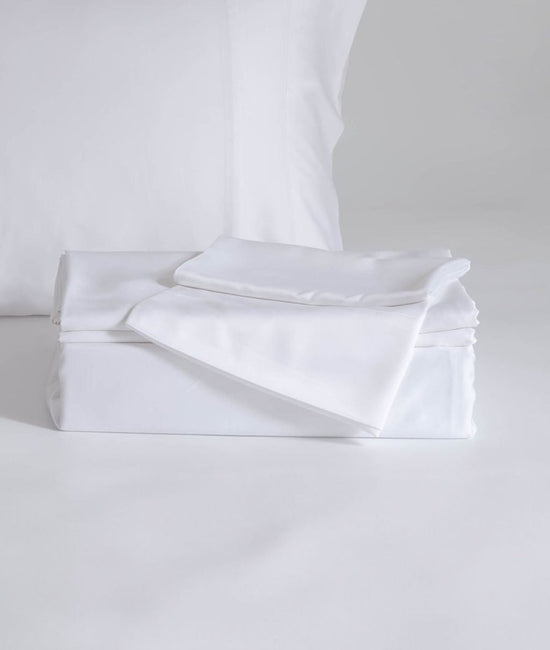
🌿 Bamboo Sheets
Soft, breathable, and moisture-wicking, Bamboo Sheets help keep the sleep surface comfortable under colder-weather bedding.
They help you feel cozy without turning the bed into a heat trap.
🌿 Organic Latex Topper
Helpful if your mattress is still supportive but feels too firm.
It adds pressure relief without replacing the whole bed.
But if your mattress is sagging or too soft, a topper may not solve the real support problem.
🌿 Adjustable Base
Helps you elevate your head or legs, reduce pressure, read comfortably, and relax with massage before sleep.
For cold-weather stiffness, better positioning can make bedtime feel much more comfortable.
A better sleep setup cannot stop winter from coming.
But it can help your body feel less like it is fighting the season.
Final Thoughts
Cold weather can make aches feel worse.
But your mattress may be part of the story.
A too-firm mattress can create pressure.
A too-soft mattress can reduce support.
A sagging mattress can pull your spine out of alignment.
A heat-trapping mattress can make you toss and turn under heavier bedding.
A poor pillow can make neck and shoulder tension worse.
The goal is not simply to make the bed warmer.
The goal is to make it more supportive, breathable, and comfortable.
Because colder weather already asks more from your body.
Your mattress should not ask even more.
It should help your body settle, release pressure, stay aligned, and wake up feeling less stiff.
Not more.